
Best car door lock de icer for winter freezing usually means a small bottle you can trust at 6 a.m. when the key won’t turn, the fob won’t unlock, and you’re already late. The good news, most lock freeze-ups are predictable, and the right de-icer plus a couple habits can cut the drama down fast.
This matters more than people think because forcing a frozen lock can snap a key, stress the lock cylinder, or leave you stuck in a parking lot trying “one more time.” Sometimes the real issue is ice inside the cylinder, other times it’s moisture around the door seal making the whole door feel “locked.” Different problems, different fixes.
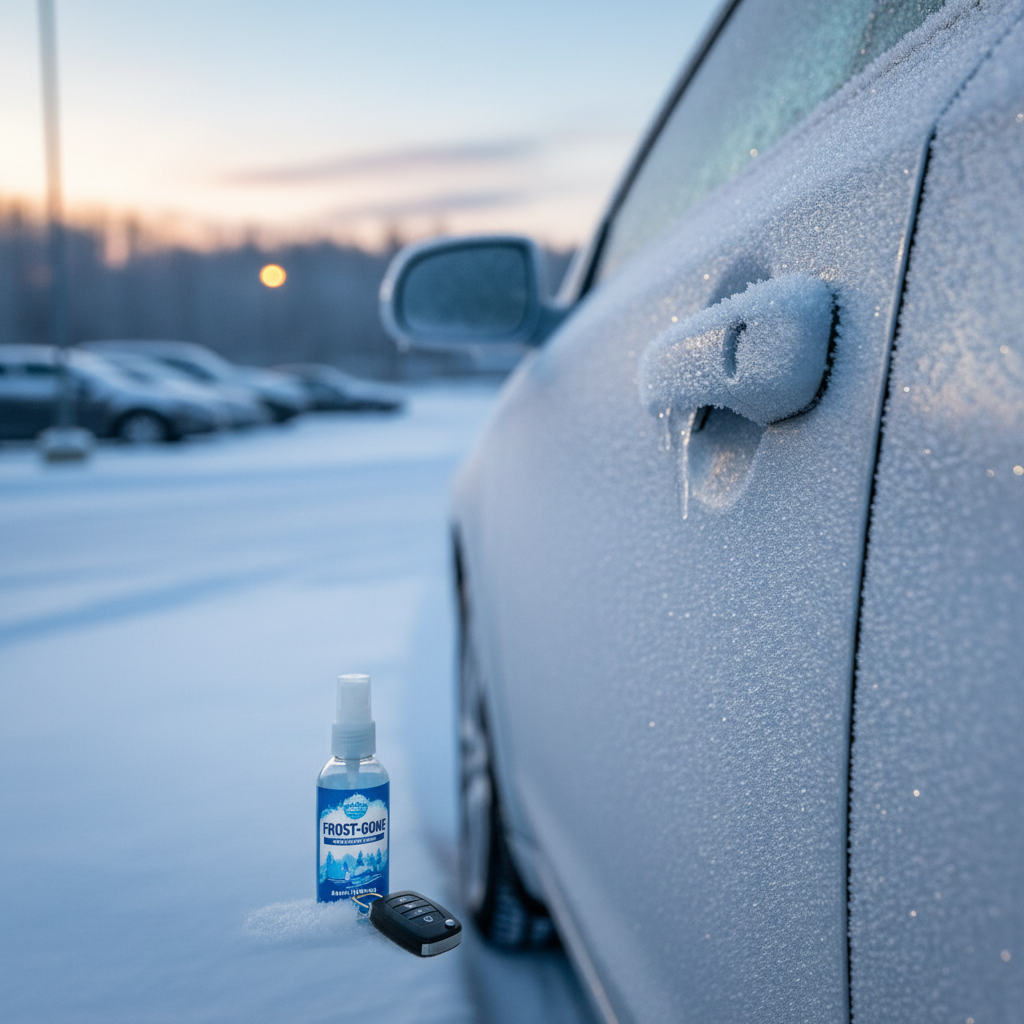
Below is a practical way to choose a lock de-icer, how to tell what’s actually frozen, and what to do if you don’t have the product in your pocket. I’ll also call out a few “popular” fixes that tend to backfire in real winter conditions.
What actually freezes: the lock cylinder vs the door (and why it changes your fix)
Most people assume the keyhole is the only culprit, but winter lockouts often fall into two buckets.
- Lock cylinder freeze: moisture inside the keyway turns to ice, so the key won’t insert fully or won’t rotate.
- Door perimeter freeze: the seal glues to the frame with ice, so the door won’t open even if it unlocks.
If your fob unlocks and you hear the actuators click but the door still won’t budge, you’re usually dealing with seals, not the cylinder. If the key physically won’t go in or won’t turn, a lock de-icer makes sense.
According to AAA, winter weather can increase the chance of being stranded due to cold-related issues, and they commonly advise keeping basic emergency items in the vehicle. A lock de-icer is one of those “small item, big payoff” tools when you live in freezing climates.
What “best” means for a car door lock de-icer (not every bottle works the same)
Shopping for the best car door lock de icer for winter freezing is less about brands and more about the formula and delivery. In many cases, you want something that melts ice quickly, displaces moisture, and evaporates without leaving a sticky film.
- Fast melting: alcohol-based formulas are common because they lower freezing point and cut through ice quickly.
- Moisture displacement: helps reduce refreezing after you get the lock turning.
- Precision nozzle: a thin straw or narrow tip wastes less product and reaches the pins better.
- Cold usability: some sprayers get sluggish in deep cold; a squeeze bottle can be more dependable.
Also pay attention to where you store it. A de-icer trapped inside the car won’t help you outside the car, which is a surprisingly common mistake.
Quick comparison table: which option fits your situation?
Here’s a simple way to match the tool to the problem, without overthinking it in the aisle.
| Situation | What you’ll notice | Most practical choice | Why it works |
|---|---|---|---|
| Key won’t insert fully | Feels blocked, gritty, or “solid” | Lock de-icer with precision tip | Targets ice inside the keyway |
| Key inserts, won’t turn | Stops hard, no rotation | Lock de-icer, then dry graphite (optional) | Melts ice, then adds dry lubrication |
| Fob unlocks but door stuck | Handle pulls, door won’t open | Door seal de-icer or warm water + wipe dry | Ice is on the seal, not in the cylinder |
| You have no de-icer | Only basic items on hand | Warm key, gentle heat, patient cycles | Slowly melts without damaging parts |
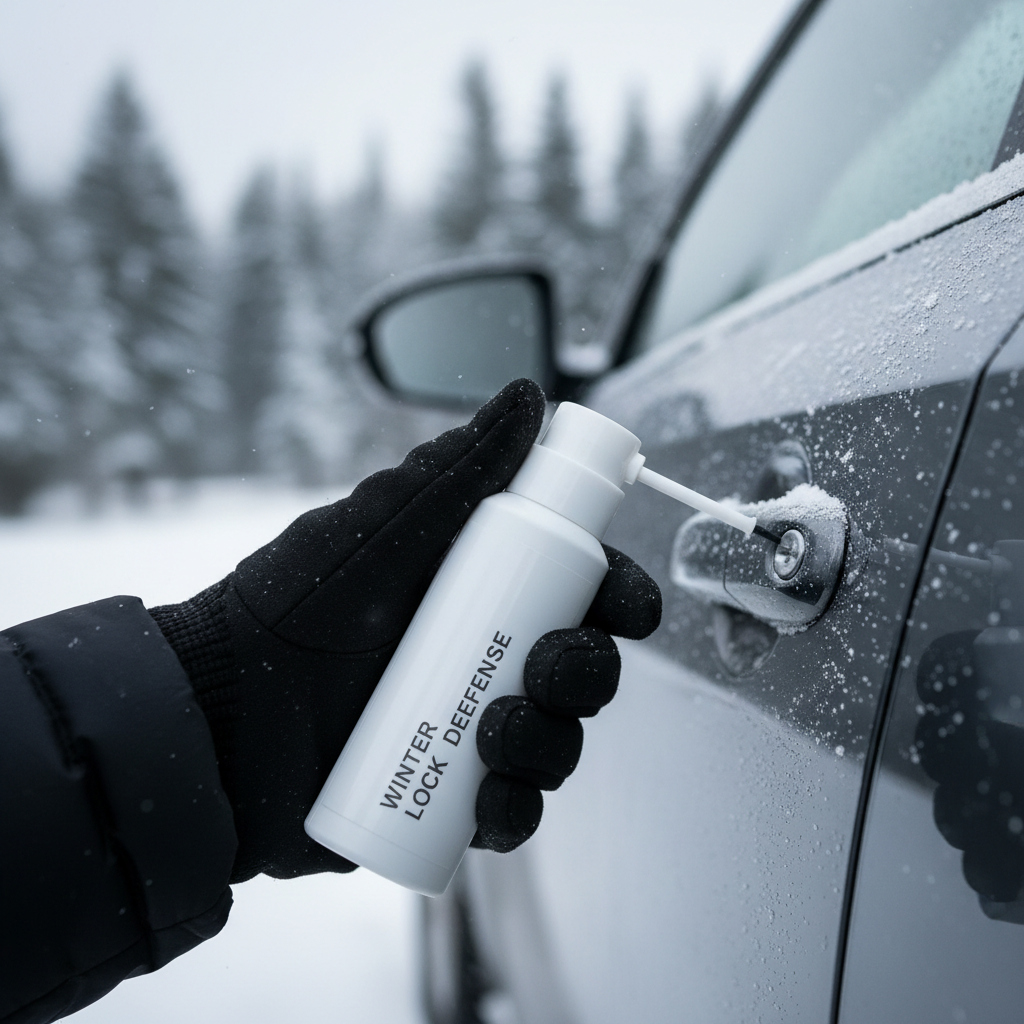
A quick self-check: do you really need a lock de-icer?
Before you spray anything, take 10 seconds and check what’s frozen. This saves product and prevents “fixing” the wrong thing.
- If the key won’t go in, suspect ice inside the keyway.
- If the key goes in but won’t rotate, it’s often ice around the pins, sometimes a worn key plus cold contraction.
- If you can unlock but the door won’t open, focus on the door seals and handle area.
- If it worked yesterday but fails after a car wash, moisture intrusion is likely the trigger.
If you’re in a very cold snap and your key fob range feels weak too, don’t rule out the battery. That’s a separate annoyance, but it can show up at the same time and confuse the diagnosis.
How to use a car door lock de-icer safely (a simple, repeatable routine)
The best car door lock de icer for winter freezing still needs decent technique, otherwise you get a temporary win and a refreeze an hour later.
Step-by-step
- Clear surface ice: brush away snow and crust around the keyhole so you don’t push slush inward.
- Apply a small amount: a short squeeze or quick spray into the keyway is usually enough to start.
- Wait 20–60 seconds: give it time to penetrate, repeated “instant” tries often waste product.
- Insert key gently: avoid forcing it; wiggle lightly to spread fluid.
- Turn in short attempts: small back-and-forth motion can free pins without stressing the key.
- After it opens: wipe moisture around the cylinder, then consider a dry lubricant (graphite) if your lock tends to bind.
Key point: if it opens and you immediately spray more “just in case,” you can leave extra liquid that later attracts moisture and refreezes, depending on formula and temperature swings.
Common mistakes that make frozen locks worse
This is where winter routines go sideways. A few fixes are popular because they feel clever, but they’re risky or only work once.
- Boiling water on the lock: it can melt ice fast, then refreeze harder, and hot-to-cold shock can stress finishes.
- Open flame near the door: paint, plastic trim, weatherstripping, and even wiring don’t love this idea.
- Oily sprays as “de-icer”: some general-purpose penetrants can leave residue that attracts grit, then the lock gets sticky over time.
- Forcing the key: snapping a key in the cylinder turns a 2-minute fix into a tow or locksmith call.
According to the National Fire Protection Association (NFPA), portable heating and open-flame practices are a major source of winter fires; using open flame around vehicles and fuel vapors is a bad trade for a stuck lock. If you need heat, gentler, controlled warmth is the safer direction.
Prevent refreezing: small habits that save you next time
If frozen locks hit you more than once a season, it’s rarely “bad luck.” Usually it’s moisture getting in, then freezing overnight.
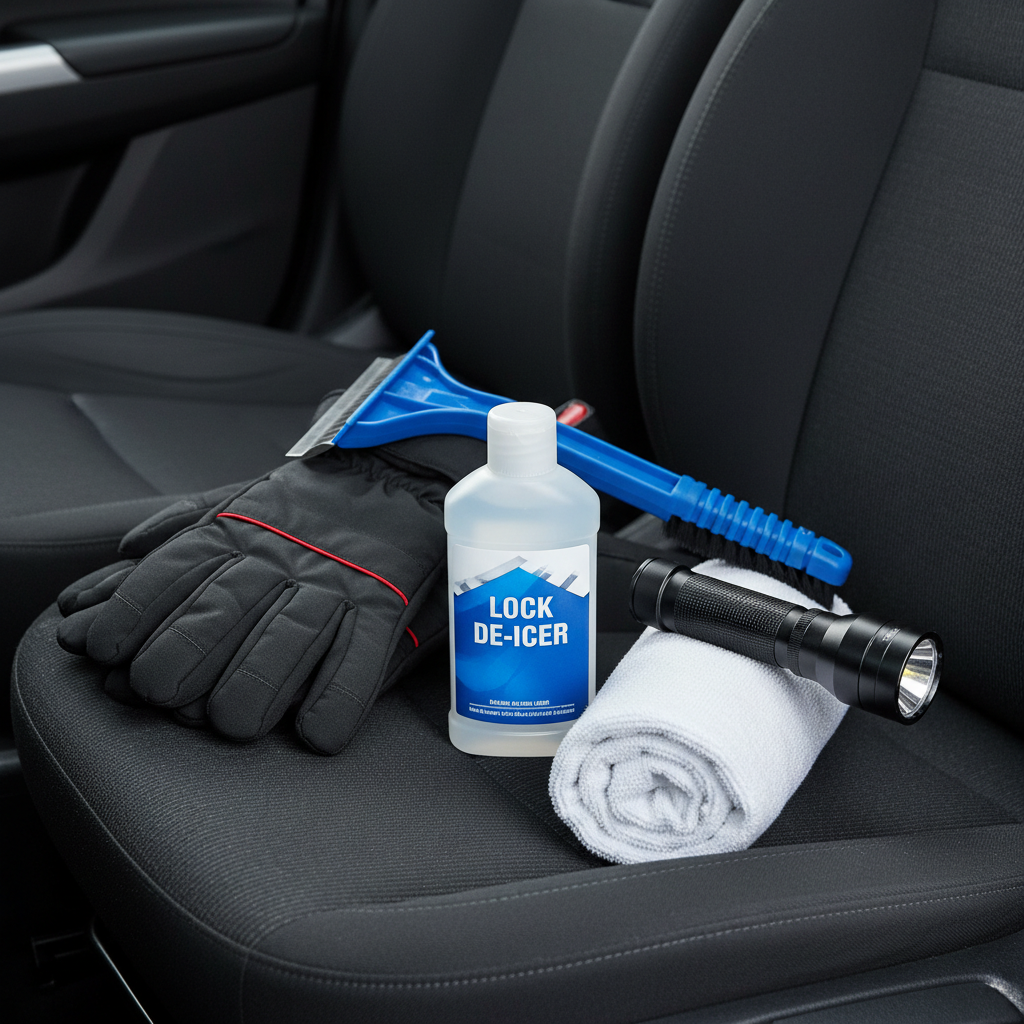
- Carry de-icer outside the car: pocket, backpack, coat, or a garage hook near your keys.
- Avoid locking in moisture: after rain, snow melt, or a wash, wipe the door handle and key area if a hard freeze is coming.
- Use dry lubricant occasionally: graphite can help a lock feel smoother without staying wet, but go light to avoid buildup.
- Address worn keys: a rounded, tired key makes cold-weather binding more likely, a fresh copy can surprise you.
If your door seals freeze often, a rubber seal protectant may help, but choose a product intended for automotive weatherstripping and follow label directions. Some chemicals can swell or degrade rubber, so “more” is not the goal.
When it’s time to stop DIY and get help
If you’ve applied de-icer correctly and the key still won’t turn, pause. A lock can be frozen, worn, misaligned, or mechanically failing, and those look similar when you’re cold and impatient.
- Key twists noticeably or feels like it might snap
- Lock turns partially then jams hard
- Vehicle has a history of theft damage, forced entry, or prior cylinder replacement
- Repeated refreezing happens daily even with de-icer and drying
In these cases, a locksmith or a trusted repair shop can check the cylinder, linkage, and alignment. If you’re stranded in extreme cold, it may be safer to call roadside assistance rather than keep fighting the lock.
Conclusion: a realistic “best pick” strategy for most winter drivers
The best car door lock de icer for winter freezing is the one you can apply precisely, that works quickly in your local temps, and that you actually keep accessible when the car is locked. Pair it with a light prevention routine and you’ll avoid most repeat episodes.
If you want one action today, put a small de-icer in your coat pocket or bag and add a tiny towel to the car for quick wipe-downs after a thaw. Those two steps cover a lot of real-world winter mornings.
FAQ
What is the best car door lock de icer for winter freezing if I park outside?
Look for an alcohol-based lock de-icer with a narrow applicator tip, then store it on you, not in the console. Outdoor parking tends to mean deeper freezes and more wind-driven moisture.
Can I use windshield de-icer in a car door lock?
Sometimes it works in a pinch, but many windshield formulas are designed for glass and may be messier around locks and paint. A product labeled for locks tends to apply cleaner and waste less.
Is rubbing alcohol safe to use in a frozen keyhole?
In many cases, isopropyl alcohol can melt ice, but it’s not packaged for precise application and can drip where you don’t want it. If you try it, use a small amount and avoid getting it on interior plastics or fabrics.
Why does my lock refreeze after I get it open?
Usually there’s leftover moisture in the cylinder or around the door handle area, and the temperature drops again. Wiping the area and avoiding over-application helps, and a dry lubricant can reduce sticking.
My key turns but the door still won’t open, what should I do?
That often points to frozen door seals or a latch/handle that’s iced over. Focus on the door perimeter, gently break the seal with steady pressure, and use a seal-safe de-icer if you have one.
Can using WD-40 fix a frozen car door lock?
It may free things temporarily, but it’s not a dedicated lock de-icer and can leave residue that attracts dirt. For recurring winter lock issues, a true de-icer plus an occasional dry lock lubricant is typically more reliable.
Should I heat my key with a lighter to open a frozen lock?
It can work, but it’s easy to damage plastic key heads, burn yourself, or overheat nearby trim. If you try warmth, go gradual and controlled, and stop if anything smells or deforms.
If you’re dealing with repeated freeze-ups, or you want a more “set it and forget it” routine, it may help to keep a small winter kit that includes a lock de-icer, a seal-safe spray, and a dry lock lubricant, then rotate it before the coldest months so you’re not guessing what still works.