
Best car tire tread depth gauges make tire checks quick, consistent, and less “eyeball and hope,” which matters when rain, braking distance, and hydroplaning risk enter the picture.
A lot of drivers wait until a tire looks obviously worn, but tread wear often feels gradual right up until it doesn’t, one stormy commute can make the downside very real. A small gauge gives you a repeatable number, so you can track wear over time and decide whether you need rotation, alignment, or new tires.
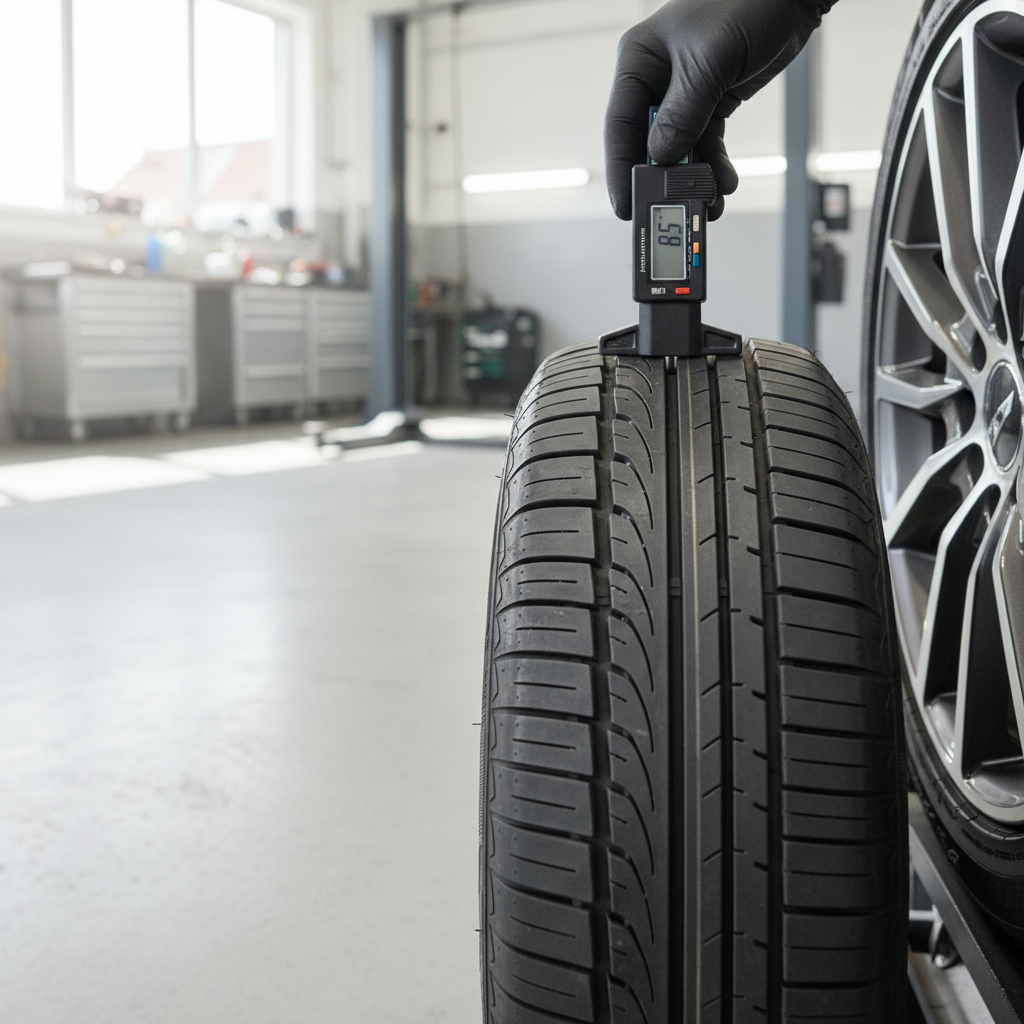
This guide narrows down what actually separates a useful tread gauge from a frustrating one, then gives a practical shortlist by type, plus a simple routine you can follow in five minutes. I’ll also call out common mistakes, because plenty of “bad readings” are really just bad technique.
What a tread depth gauge really tells you (and what it doesn’t)
Tread depth is the height of the rubber grooves, usually measured in 32nds of an inch in the U.S. More tread usually means better water evacuation, and less tread can mean reduced wet traction. But tread depth is only one piece of tire safety, you still need to consider age, damage, and pressure.
According to NHTSA, tires with less tread are more likely to contribute to hydroplaning and loss of traction in wet conditions. That’s the practical reason to measure instead of guessing, you’re trying to avoid being surprised when conditions turn.
- It tells you: remaining groove depth, changes over time, uneven wear side-to-side.
- It doesn’t tell you: internal tire condition, sidewall integrity, whether rubber has hardened with age.
How to choose the best car tire tread depth gauges (real-world criteria)
Most gauges can “work,” but the best ones are the gauges you’ll actually use, and the ones that don’t make you second-guess the reading. Here’s what tends to matter in day-to-day checks.
Readability: big markings beat fancy features
If you’re checking tread outside or in a dim garage, tiny etched numbers become annoying fast. A clear scale with strong contrast helps more than you’d expect, especially if you plan to record readings.
Probe design: thin enough to reach grooves, sturdy enough to stay straight
Some tire patterns have narrow sipes and channels. A probe that’s too chunky won’t seat well, and you’ll read “higher tread” than you actually have.
Range and units: 0–1 inch is plenty for most passenger tires
For most cars and light trucks, you’re living in the 2/32–12/32 neighborhood. A gauge that reads 0–1 inch in 32nds, or offers mm with inch conversion, covers typical needs.
Durability and pocket-friendliness
If it’s a glovebox tool, it will get bounced around with pens, coins, and emergency junk. Sturdier plastic or metal, plus a cap or recessed probe, helps it survive.
Top types of tread depth gauges and who they fit
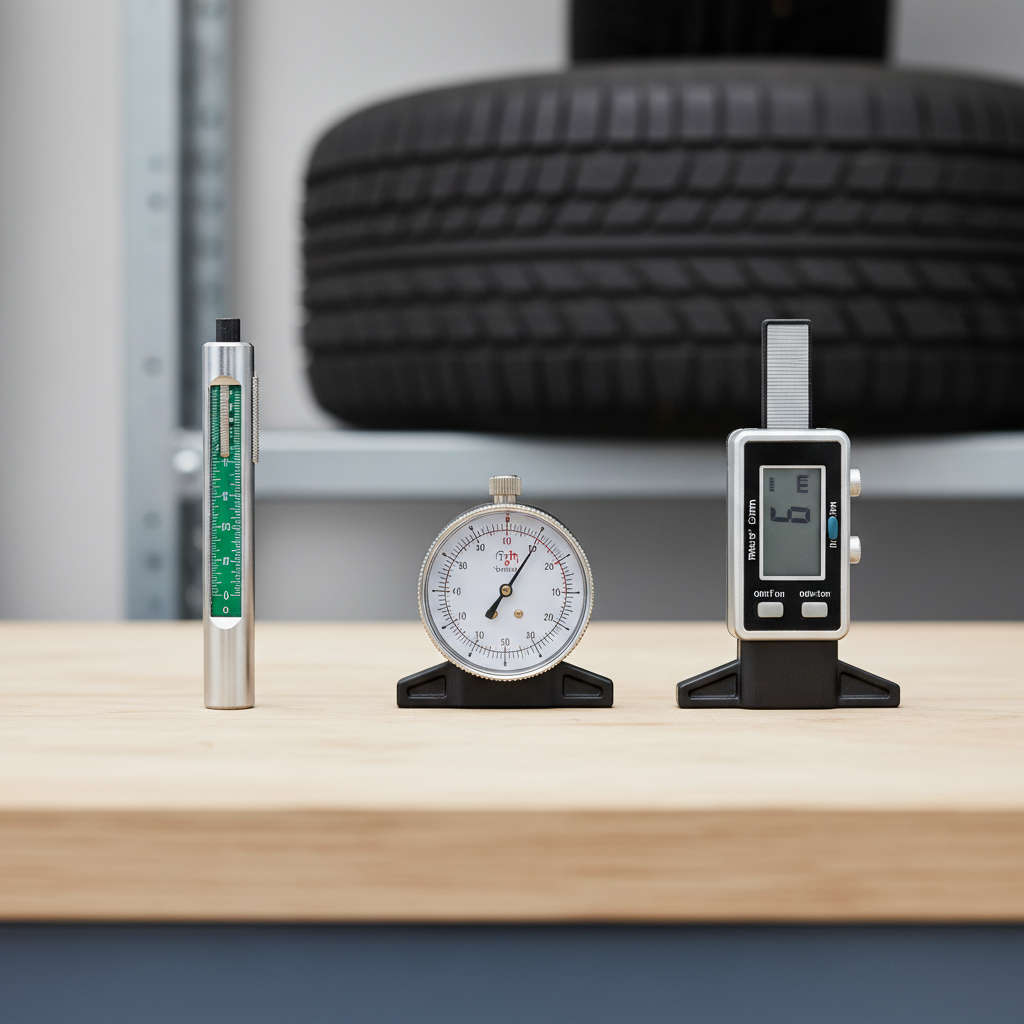
Instead of pretending there’s one “winner” for everyone, it’s more honest to match the gauge style to how you check tires. Most drivers do best with one of these three.
Pencil (stick) gauges: simple, cheap, reliable
- Best for: glovebox checks, quick pre-trip look, people who want no batteries.
- Why it works: fewer parts, usually consistent enough for tracking wear.
- Where it can annoy: small markings, easier to misread at a glance.
Dial gauges: easy to read, good for repeat checks
- Best for: DIYers who rotate tires, monitor wear patterns, keep maintenance notes.
- Why it works: the dial face is readable, you can take fast repeat measurements.
- Where it can annoy: larger body, can be easier to damage if tossed in a drawer.
Digital gauges: quick numbers, but batteries and dirt matter
- Best for: drivers who log results, detail-oriented folks, low-light checks.
- Why it works: clear numeric display, often offers mm and inches.
- Where it can annoy: dead battery on the one day you care, sometimes finicky if gritty.
Quick comparison table: what to buy for your situation
Here’s a practical way to pick without overthinking it. If you want one do-it-all option, a dial gauge is often the sweet spot for readability and repeatability, but a pencil gauge wins on simplicity.
| Gauge type | Pros | Cons | Best fit |
|---|---|---|---|
| Pencil/stick | Inexpensive, no battery, compact | Smaller scale, easier to misread | Basic monthly checks |
| Dial | Readable, fast repeat readings | Bulkier, can be knocked out of calibration if abused | Tracking wear, rotations |
| Digital | Clear number display, unit switching | Battery dependency, dirt sensitivity varies | Logging and low-light checks |
Safety check routine: how to measure tread depth correctly
If you only do one thing, do this: take multiple readings per tire. One measurement can lie, not because the gauge is wrong, but because wear is rarely perfectly even.
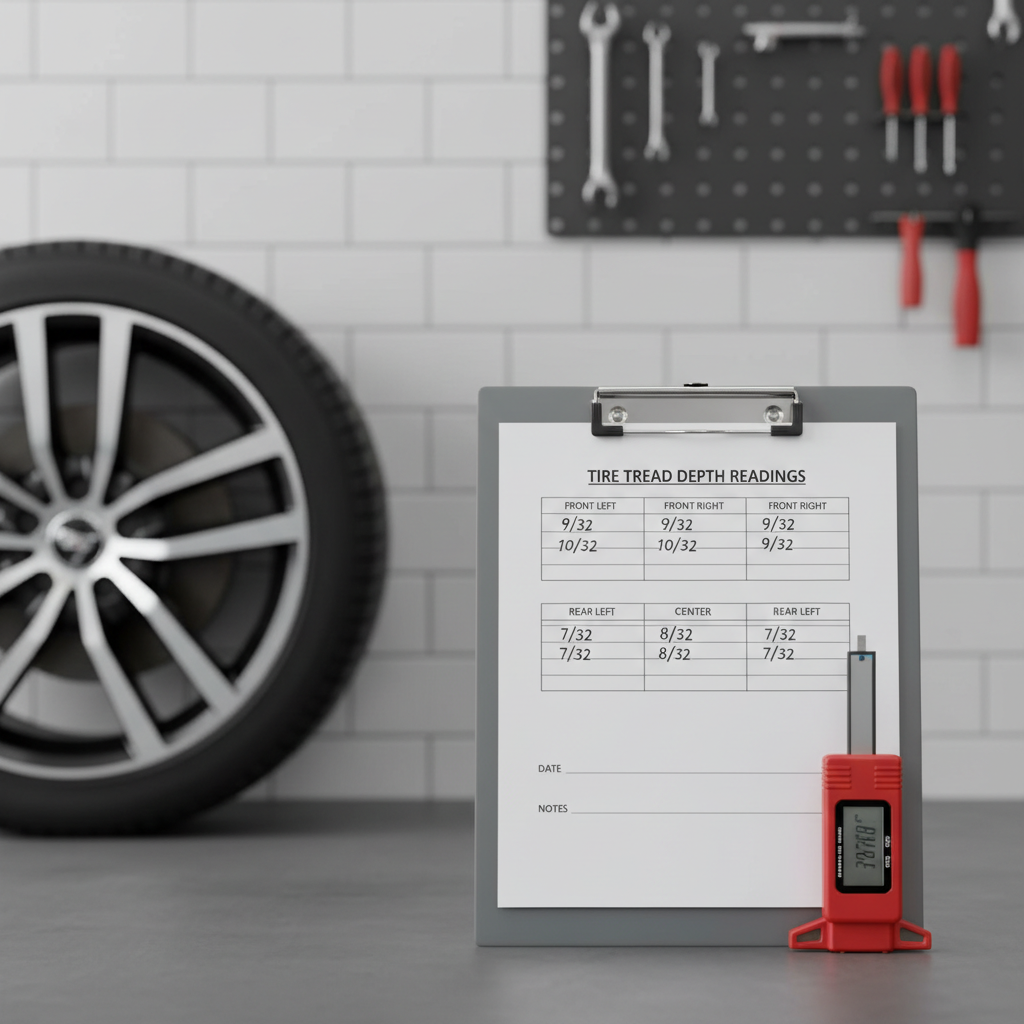
- Pick 3 spots per tire: inner edge, center, outer edge.
- Measure in a main groove: avoid tiny sipes, go for a full-depth channel.
- Keep the probe straight: angled probes can read deeper than reality.
- Record the numbers: even a phone note like “LF 6/32, RF 7/32” helps.
Then look for pattern clues. If the center is lower than the edges, overinflation is one possible cause. If both edges wear faster, underinflation is common. If the inner edge is much lower than the outer edge, alignment or suspension wear might be in play. These aren’t guarantees, but they’re strong hints.
Key thresholds and what to do when you hit them
Drivers often ask for a single magic number. Realistically, the “right” time depends on your climate, driving speed, and how much wet weather you face, but there are widely used reference points.
- 8/32–10/32: many new all-season tires start around here, keep tracking.
- 6/32: a good time to pay attention before rainy season, especially if you drive highways.
- 4/32: wet traction may drop off in many cases, start planning replacement.
- 2/32: common legal minimum in many places, at this point replacement is typically the safer call.
According to NHTSA, worn tires can reduce traction and increase hydroplaning risk. If you’re hovering near low tread depth and heading into heavy rain season, this is where planning ahead feels less optional.
Common mistakes that make readings useless
- Only checking one groove: some tread blocks wear unevenly, check a main groove and repeat.
- Measuring next to a wear bar: wear indicators can trick your depth reading if you’re not careful.
- Not cleaning debris: small stones can make the gauge “bottom out” early.
- Ignoring side-to-side differences: a single bad tire can be the problem, not the whole set.
- Using tread depth as the only safety metric: cracks, bulges, and age still matter.
When it’s time to involve a tire pro (and what to ask for)
If your readings show big differences across a tire or between left and right, it’s usually worth getting a shop to look. You’re not just buying tires, you’re trying to prevent the next set from wearing the same way.
- Ask for an alignment check if inner or outer edge wear is much faster.
- Ask about rotation intervals if front tires drop faster than rears, common on FWD vehicles.
- Ask for suspension inspection if you see cupping or scalloped wear, which can suggest worn components.
If you’re unsure how to interpret a pattern, a reputable tire shop or mechanic can help confirm the cause. For safety-related concerns, it’s reasonable to be conservative and seek professional advice.
Conclusion: a small tool that helps you make clearer calls
Buying one of the best car tire tread depth gauges isn’t about gadgets, it’s about replacing guesswork with a quick habit. Pick a gauge style you’ll actually keep in the car, measure three spots per tire, and write the numbers down so you can spot trends before traction becomes the surprise.
Your next step: check tread depth this week, then set a reminder to recheck monthly or before long trips, especially if rain or snow is part of your driving reality.
FAQ
What are the best car tire tread depth gauges for most drivers?
For many drivers, a dial gauge hits the balance of readability and consistent measurements. If you want the simplest option with no battery, a pencil gauge is still a solid pick.
How often should I measure tire tread depth?
Monthly is a workable habit for most people, and it’s smart to check before road trips or seasonal weather shifts. If you notice uneven wear, checking a bit more often helps confirm whether it’s progressing.
Is the penny test good enough compared to a gauge?
The penny test can give a rough sense of “very low tread,” but it won’t help you track wear over time or compare inner vs outer edges. A gauge gives a number you can record and act on.
What tread depth is considered unsafe in rain?
Many drivers start to notice wet-weather confidence drop as tread gets lower, often around 4/32 or below, though it can vary by tire design and driving conditions. If you do lots of highway driving in heavy rain, planning earlier can be reasonable.
Can uneven tread depth mean I need an alignment?
It can. If one edge wears faster than the other, alignment is a common suspect, but tire pressure, rotation habits, and worn suspension parts can also contribute, a shop inspection helps sort it out.
Do digital tread depth gauges measure more accurately?
Not automatically. Digital displays are easier to read, but accuracy still depends on probe placement and build quality. If you like logging data, digital can feel easier, just keep an eye on battery life.
Should I measure tread depth when tires are cold?
Tread depth doesn’t change meaningfully with tire temperature the way pressure does, so “cold vs warm” is less critical here. What matters more is measuring consistently in comparable grooves and spots.
What if my tires have plenty of tread but look cracked?
Cracks can suggest aging or drying rubber, and that’s separate from tread depth. In that situation, it’s wise to have a tire professional assess condition, because visible cracking can be a safety concern even with acceptable depth.
If you’re trying to keep tire checks simple, consider pairing a tread depth gauge with a basic tire pressure gauge and a quick note-taking habit, it’s a low-effort setup that makes maintenance decisions feel a lot less vague.