
The best car trash can for front seat is the one that stays put, seals liquids, and is easy enough to empty that you actually keep using it.
Most “car trash cans” fail for boring reasons, they tip when you brake, they rely on flimsy liners, or the lid design lets odor creep back into the cabin. If you drive with coffee, kids, pets, or food wrappers piling up, those weaknesses show up fast.
This guide focuses on leak resistance and front-seat practicality, where the bin sits, how it mounts, which lid styles help, and what materials matter. You’ll also get a quick decision checklist, a comparison table, and a few setup tips that reduce mess long-term.
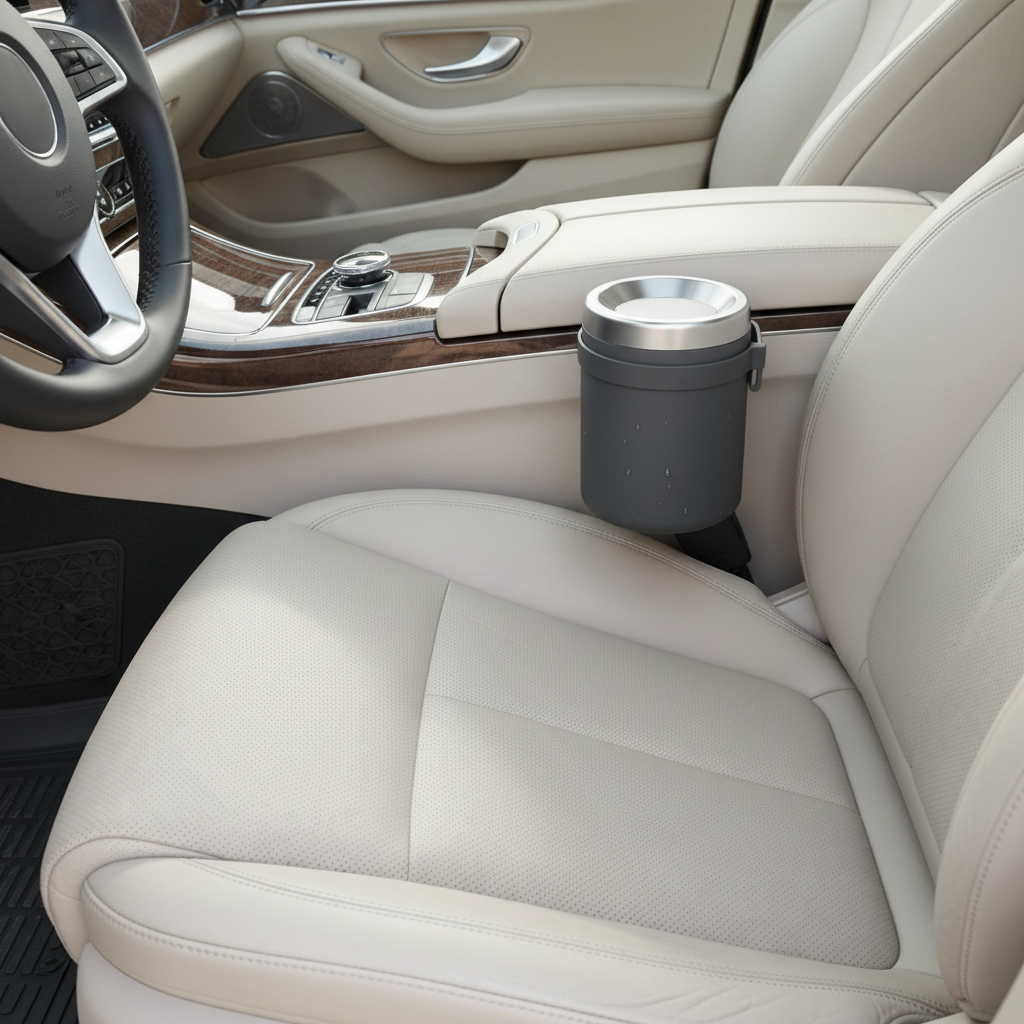
What “Leak Proof” Really Means in a Front-Seat Trash Can
In product listings, “leak proof” can mean anything from “it has a lid” to “it can hold liquid without seeping.” For front-seat use, you want a design that handles small spills without relying on perfect liner placement.
Look for these leak-resistance elements, in plain terms:
- Water-resistant inner bucket: a smooth, non-absorbent interior that wipes clean, ideally one-piece or with sealed seams.
- Rigid structure: soft fabric bins can work, but they often sag and funnel liquid toward stitching and corners.
- Lid or closure: not just for smell, a lid reduces splash if a drink cup tips.
- Secure mounting: a bin that slides becomes a spill multiplier.
According to NHTSA, unrestrained objects in a vehicle can become hazards during sudden stops or crashes, so mounting stability is not only about cleanliness, it also supports safer driving habits.
Why Front-Seat Car Trash Cans Leak, Tip, or Get Nasty
People usually blame the product, but the real culprit is often the match between bin style and your daily trash. Front-seat trash is a weird mix, receipts, gum, coffee cups, wet wipes, half-finished snacks.
Common failure points I see again and again:
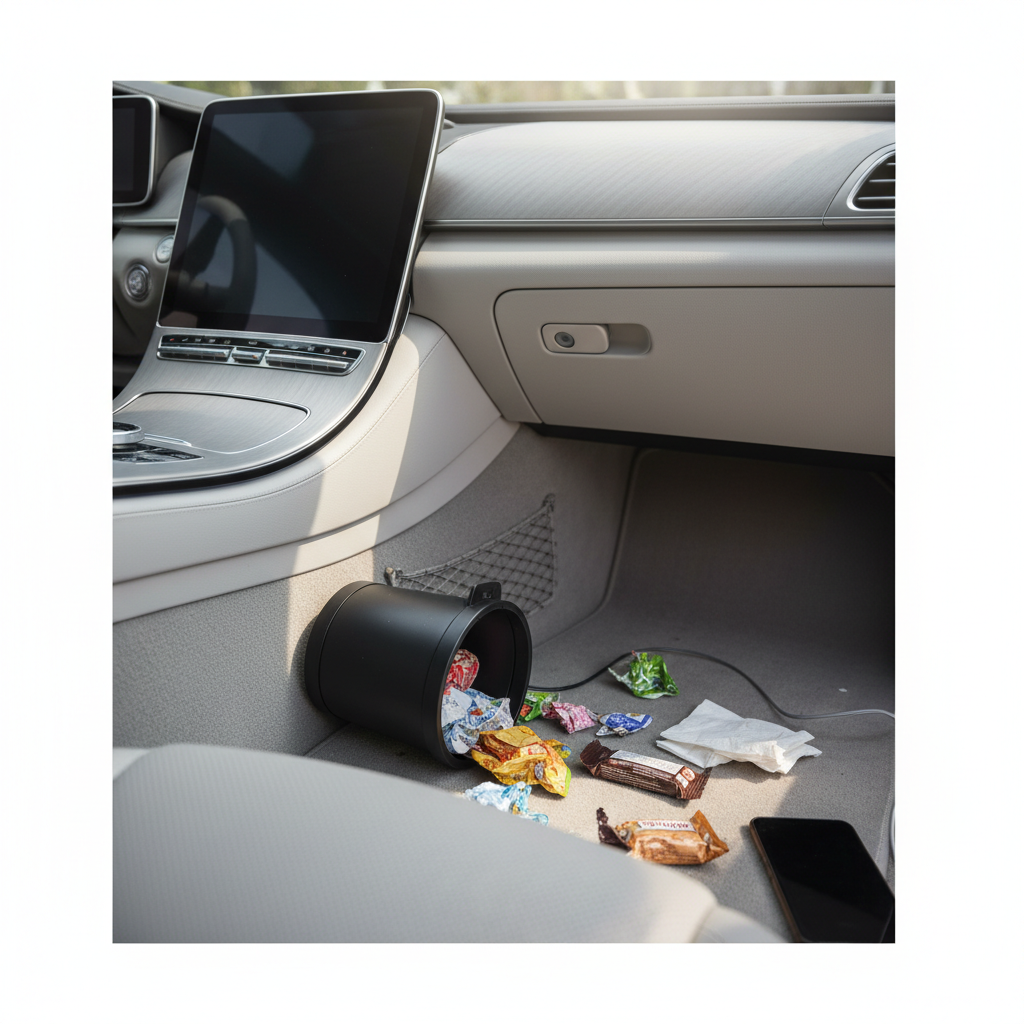
- Wrong shape for the space: a tall bin in a narrow footwell tips when a passenger moves their feet.
- Mounting that depends on friction: “just wedge it between the seat and console” works until you turn hard.
- Thin liners: a leaky liner looks like a leaky can, and the cleanup feels the same.
- Odor traps: textured fabric and deep seams hold gunk, especially when liquids show up.
- Overfilling: front-seat cans are small, once you pack it tight, lids stop closing and wrappers push upward.
Quick Self-Test: Which Front-Seat Setup Fits Your Car and Habits?
Before you buy anything, answer these quickly. It takes two minutes and saves you from the “looks great on Amazon, useless in my car” problem.
Space and placement
- Do you want it on the passenger footwell, behind the shifter/console, or seat-back?
- Is there a flat area, or is everything curved and narrow?
- Do you frequently carry a front passenger who needs foot space?
Trash type (this predicts leak risk)
- Mostly dry: receipts, wrappers, tissues.
- Mixed: fast-food leftovers, napkins with sauce.
- Wet risk: half-finished drinks, melted ice, used wipes.
How you prefer to empty it
- Do you want a removable inner bin you can carry to the outside trash?
- Are you okay tying a liner daily, or do you prefer wiping the inside weekly?
If your trash is “wet risk,” prioritize a rigid, wipeable interior plus a lid that closes reliably. If it’s mostly dry, mounting stability matters more than waterproofing.
Comparison Table: Features That Matter for a Leak-Proof Front Seat Bin
This table is less about brands and more about picking the right design, so you can find the nearest match in your budget.
| Type | Best For | Leak Control | Odor Control | Front-Seat Fit | Watch Outs |
|---|---|---|---|---|---|
| Rigid mini bin + flip lid | Daily mixed trash | High if seams are sealed | Medium to high | Great near console | Can be bulky in small cabins |
| Hanging bag (seat/console) | Wrappers, tissues | Low to medium | Low to medium | Good if straps fit | Liquids soak fabric, swing on turns |
| Silicone cup-holder style | Dry trash, tiny spaces | Medium | Low | Depends on cup holder depth | Small volume, no real lid |
| Square “footwell box” with liner ring | Long commutes, families | Medium to high | Medium | Okay if no passenger | Tips if not anchored, steals leg room |
For most drivers who specifically want the best car trash can for front seat with leak protection, the rigid mini bin near the console tends to be the least annoying day-to-day, because it’s stable and simple to empty.
How to Choose the Best Car Trash Can for Front Seat (Leak Proof Priorities)
Buying becomes easier when you rank features in the order they matter. Here’s the priority stack that usually works in real cars.
1) Mounting that survives real driving
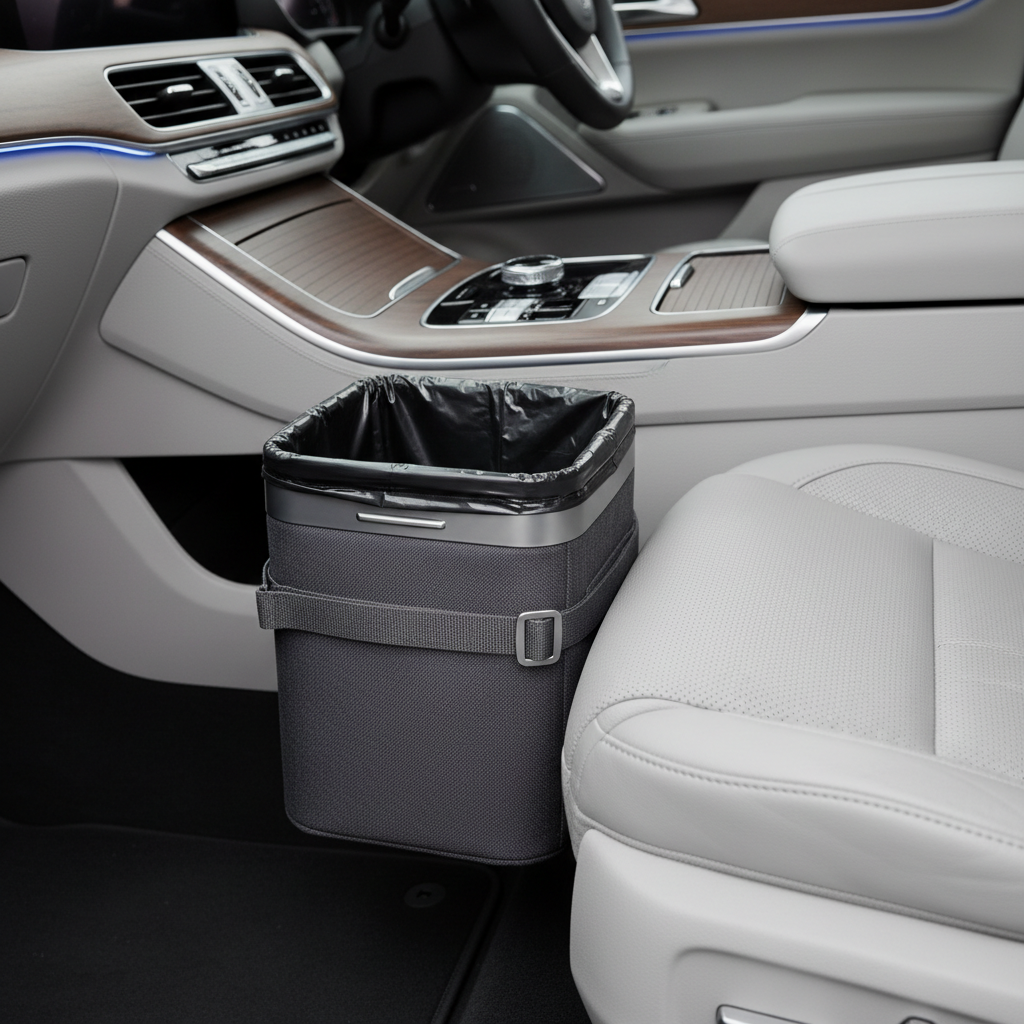
- Seat-rail strap or console hook + strap beats “free-standing.”
- If it sits on the floor, look for anti-slip base plus a shape that nests into the footwell.
2) Interior material you can wipe in 20 seconds
- Smooth plastic or coated interior reduces lingering smell.
- Avoid deep stitched seams if you expect wet trash.
3) Lid design that matches your habits
- Flip-top: fast with one hand, good for drivers.
- Push lid: decent odor control, sometimes jams when overfilled.
- Magnetic or drawstring closure: better than open-top, still not true “sealed.”
4) Liner system that doesn’t fight you
- A liner ring keeps bags from collapsing, which is where leaks start.
- If it needs “special bags,” check availability and whether standard small liners fit.
Practical Setup: Make Any Good Bin More Leak-Resistant
Even a solid bin can disappoint if setup is sloppy. These small tweaks usually make the difference between “nice idea” and “finally, my car stays clean.”
- Double-bag for wet risk days: one thin liner inside a thicker one, especially for iced drinks or takeout soup containers.
- Add absorbent backup: a folded paper towel at the bottom catches drips and makes weekly cleanup faster.
- Set a “max fill” rule: stop at 70–80% full, lids fail when stuffed.
- Place it where your hand naturally reaches: if you have to lean, you’ll toss trash elsewhere, then the bin becomes decoration.
- Empty on a schedule: tie it to gas fill-ups, car washes, or once a week, whatever you already do.
If you’re dealing with spills that could interfere with pedals or driver footing, it’s smart to clean promptly and consider a more secure mounting style. When in doubt, ask a professional detailer for product-safe cleaning advice for your specific interior materials.
Mistakes to Avoid (They’re Why “Leak Proof” Feels Like a Lie)
A few common missteps make people think no product works, when the reality is they bought the wrong format for their use.
- Putting a footwell bin on the driver side: even a small shift can distract, many drivers regret this quickly.
- Assuming fabric equals washable: it can be, but trapped moisture often smells between washes.
- Relying on a lid for liquid containment: lids help, but liners and interior sealing do the heavy lifting.
- Ignoring heat: parked cars get hot, leftover food odor intensifies, so smaller capacity emptied more often can work better.
According to CDC, cleaning and disinfecting high-touch surfaces can reduce germ spread in shared environments. A trash can near cup holders and console areas becomes “high-touch” in many cars, so a wipeable surface is practical, not just aesthetic.
Conclusion: A Clean Front Seat Comes Down to Fit + Seal + Habit
If you want the best car trash can for front seat that stays leak-resistant, focus on a rigid, wipe-clean interior, a lid that closes easily, and mounting that does not slide around during turns. Then make it easy on yourself, liners that fit, a simple emptying rhythm, and a placement that feels natural.
Two quick actions: measure the space beside your console tonight, then pick a bin type from the table that matches your “trash profile.” Once it arrives, set a weekly empty reminder for the first month, that’s usually enough to turn it into a habit.
Key takeaways
- Leak proof usually means sealed interior + stable placement, not magic fabric.
- For most cars, a console-adjacent rigid bin is the easiest front-seat option.
- Mounting matters as much as materials, sliding bins create spills.
- Small setup tweaks, double-bagging and an absorbent layer, reduce surprise mess.
FAQ
What size is ideal for a front-seat car trash can?
For most sedans and crossovers, a small-to-mid size bin works better than a tall “kitchen mini” shape. If it blocks passenger feet or forces you to reach awkwardly, you’ll stop using it, even if it’s technically leak resistant.
Are hanging trash bags truly leak proof?
Usually not in the strict sense. They’re great for dry trash, but liquids can seep through stitching or pool at the bottom. If you like hanging styles, use thicker liners and avoid tossing open drink cups.
Where should I place a trash can in the front seat area?
Most people do best near the center console on the passenger side, or attached to the passenger seat side. Driver footwell placement is risky and tends to be distracting if it shifts.
How do I stop a front-seat trash can from tipping over?
Prioritize strap-based mounting to a seat rail or a stable console attachment, then choose a wider base. If it sits on the floor, add an anti-slip pad and keep it from being kicked by passengers.
What liner bags work best for car trash cans?
Small trash liners with a bit of stretch tend to fit most bins, but the real trick is a liner ring or clip system that keeps the bag open. Without that, people overstuff, the liner collapses, and leaks become more likely.
How can I reduce odor in a small car trash can?
A lid helps, but emptying frequency matters more. For smell-prone trash, keep a small bin, empty it often, and wipe the interior weekly. An absorbent layer at the bottom also reduces “mystery liquid” smell.
Is it safe to keep a trash can in the front seat area while driving?
It can be, if it’s secured and does not interfere with pedals, seat movement, airbags, or seatbelt buckles. If you notice it sliding or distracting you, switch locations or choose a more secure mounting style.
If you’re trying to keep a daily-driver tidy without adding another chore, look for a leak-resistant front-seat bin that mounts securely and empties fast, it’s the “low effort” factor that usually decides whether it works long-term.