
Best car wash and wax all in one formula products can be a real time-saver, but they also disappoint a lot of people for the same reasons: the wash step gets too “gentle,” the wax step gets too “thin,” and the end result looks streaky or short-lived.
If you want a quick maintenance wash that leaves a noticeable slick feel and some gloss, an all-in-one can make sense. If you’re trying to fix oxidation, water spots, or months of neglect, it usually won’t be the right tool, and that’s where frustration starts.
This guide breaks down what an all-in-one wash/wax can realistically do, what to check on the label, how to use it so it actually looks good, and when you’re better off separating wash and protection.
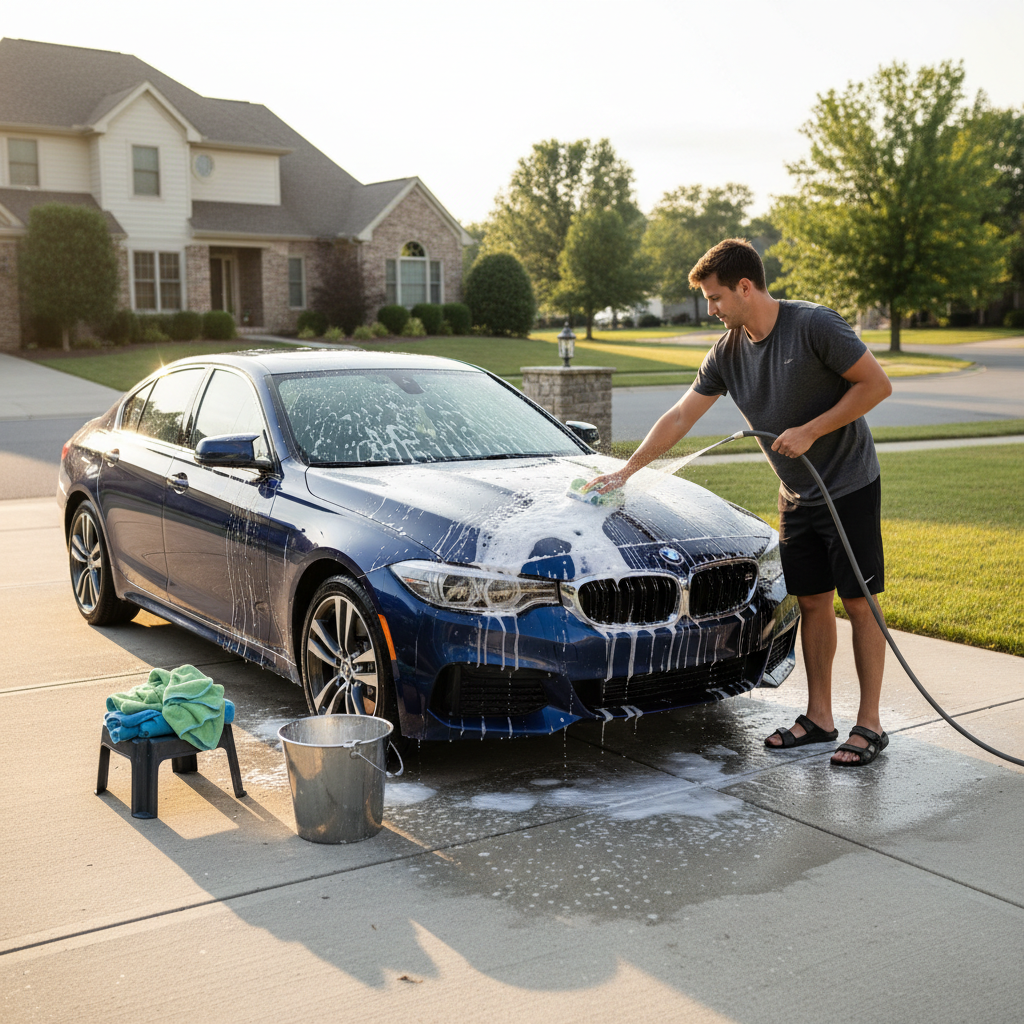
What an all-in-one wash & wax is (and what it isn’t)
A wash & wax combo is basically a car shampoo with added “protection ingredients” that can leave behind a light layer of gloss and beading. Think of it as maintenance, not a full detail.
- What it does well: quick cleaning on lightly dirty vehicles, adds a bit of gloss, helps water bead, makes drying feel smoother.
- What it usually won’t do: remove embedded contamination, correct swirls, fix dull/oxidized paint, or provide long-lasting protection in harsh conditions.
According to the U.S. Environmental Protection Agency (EPA), washing vehicles on pavement can send detergents and pollutants into storm drains in many communities, so using a commercial car wash or washing on a surface that drains to sanitary sewer (where allowed) is often the safer environmental choice. Local rules vary, so it’s worth a quick check.
Why people struggle to find the “best” formula
“Best” depends on what you expect the wax portion to do. A lot of products feel great in the bucket, then disappoint because the protection layer is intentionally light so it won’t interfere with cleaning.
- Your water matters: hard water can dry into spots and make any wash/wax look streaky.
- Paint condition matters: rough paint (contamination) prevents a uniform gloss, even if the soap is good.
- Too much product: overload often leaves residue that looks like haze, especially on dark colors.
- Heat + sun: if the panel dries before you rinse, waxy additives can flash and streak.
So the best car wash and wax all in one formula for you is often the one that matches your climate, wash setup, and how “maintained” your paint already is.
Quick self-check: are you the right user for wash & wax?
If you’re on the fence, this is the fastest way to decide without overthinking it.
- Wash & wax is a good fit if: your paint feels fairly smooth, you wash every 1–3 weeks, and you want decent shine with minimal steps.
- Use separate products if: water spots show up quickly, paint feels gritty after washing, or you want protection that lasts through weather and road film.
- Get extra help if: clear coat looks chalky, you see heavy oxidation, or you’re dealing with etched spots that don’t change after washing.
What to look for in the best car wash and wax all in one formula
Labels can be vague, so focus on practical features that change the wash experience and finish.
1) Lubricity and rinse behavior
A good wash/wax should feel slick with a microfiber mitt and rinse clean without “grabbing.” If rinsing leaves a patchy film, it’s often either overdosed soap or too much drying time on the panel.
2) Wax type: carnauba vs polymers vs “ceramic” claims
- Carnauba-style wash/wax often boosts warm gloss but can be more sensitive to streaking if you let it dry.
- Polymer-enhanced formulas tend to bead consistently and play nicer with frequent washes.
- “SiO2/ceramic” wash soaps can add noticeable slickness and beading, but results vary a lot by paint condition and application.
3) Compatibility with existing protection
If you already use a sealant, ceramic coating, or spray wax, choose a gentle wash/wax that won’t leave heavy residue. In many cases, a “gloss enhancing” shampoo (lighter additives) is safer than a heavily waxy one.
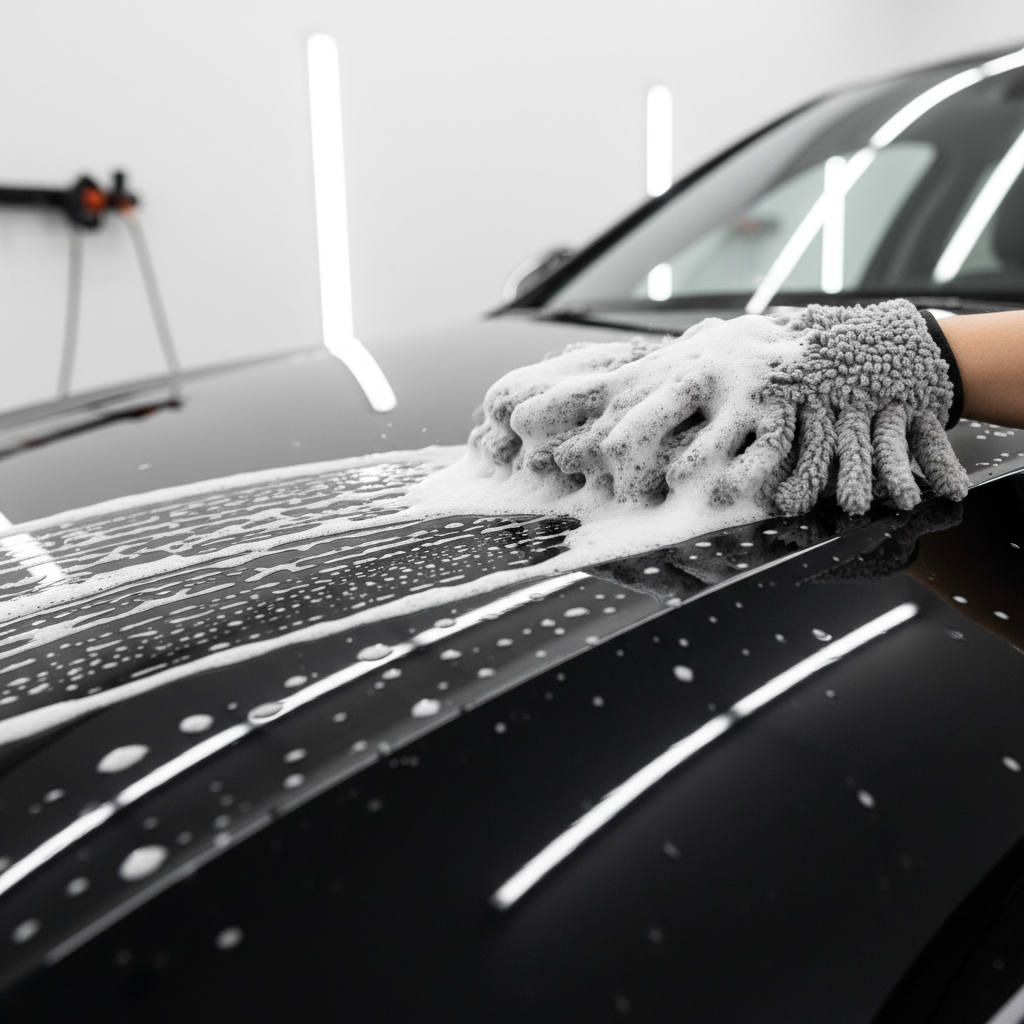
Comparison table: choosing the right wash approach
Use this as a quick “pick the lane” tool. Real-world results still depend on technique, but the trade-offs are consistent.
| Option | Best for | Pros | Cons |
|---|---|---|---|
| Wash & wax all-in-one | Weekly/biweekly maintenance | Fast, good gloss for effort, smoother drying | Protection is light, streaking possible on hot panels |
| Neutral pH shampoo + spray wax/drying aid | Better shine with control | Adjust protection level, usually less residue | One extra step, more products |
| Shampoo + dedicated sealant | Longer-lasting protection | Durability, consistent water behavior | More time, needs prep for best results |
How to use wash & wax so it actually looks good
This is where most “meh” results come from. The goal is to clean safely, then leave a uniform light layer behind.
Tools that make a difference
- Two buckets (wash + rinse) and a grit guard if you have one
- Microfiber wash mitt (skip sponges that trap grit)
- Plush microfiber drying towels or a blower for touchless drying
Step-by-step (simple but specific)
- Work in shade when possible, and wash panels that stay cool to the touch.
- Rinse first, especially lower panels where grit lives.
- Mix soap to the label ratio. If you guess heavy, you often create residue.
- Wash top-down with straight-line passes, rinsing the mitt often.
- Rinse thoroughly, then dry promptly. If you air-dry, minerals can beat the wax layer to the finish line.
Pro tip that feels boring but works
If your water is hard, do a final rinse with lower pressure letting water “sheet” off, then dry immediately. That single habit often makes the best car wash and wax all in one formula look twice as good.
Common mistakes (and what to do instead)
- Trying to get durability from soap additives: if you want weeks to months, add a spray wax or sealant after the wash.
- Using it as a strip wash: many wash/wax products are not meant to remove old wax, so don’t expect a “reset.”
- Scrubbing bug splatter dry: pre-soak with a dedicated bug remover or rinseless pre-spray, then wash gently.
- Washing on hot paint: if you must wash in sun, do smaller sections and rinse immediately to reduce spotting and streaking.
According to the International Carwash Association (ICA), professional car washes typically use systems designed to manage water use and runoff more responsibly than many at-home driveway washes, which is worth considering if runoff rules are strict where you live.
When to step up: clay, polish, or a pro detail
Wash & wax works best on “already decent” paint. If any of these are true, you may need a different plan.
- Paint feels gritty after washing: consider a clay bar or synthetic clay with proper lubrication, or ask a detailer if you’re unsure.
- Gloss looks uneven: light machine polishing can level micro-marring, but it can also remove clear coat, so a professional assessment is sensible.
- Persistent water spots: they may be mineral deposits or etching; choose a dedicated remover carefully and test a small area first.
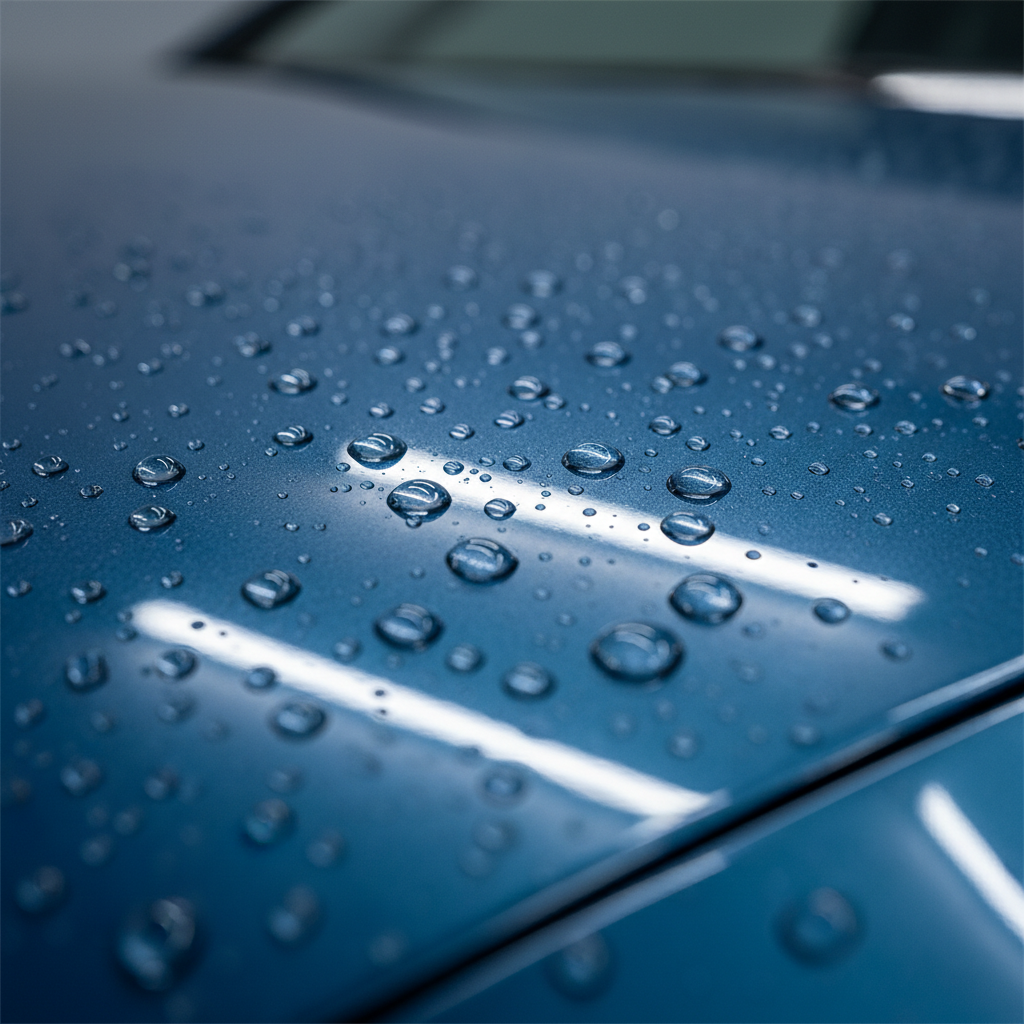
Key takeaways (so you don’t overbuy)
- Set the expectation: wash & wax is for maintenance shine, not paint correction.
- Technique beats hype: cool panels, correct dilution, fast drying, clean towels.
- Hard water changes everything: it can mask how good the formula really is.
- Want more protection? pair your shampoo with a drying aid or spray sealant.
Conclusion: picking your “best” formula without the headache
If you’re washing regularly and your paint is in decent shape, the best car wash and wax all in one formula is the one that rinses clean, feels slick, and doesn’t punish you with streaks when you’re moving quickly. If your car lives outside, sees winter road film, or you’re picky about durability, treat wash & wax as a convenience step and add a separate protectant on top.
Your next move is simple: test one product with careful dilution and fast drying, then decide whether you need more protection from a spray wax or sealant rather than chasing “stronger” soap.
FAQ
Is a wash and wax all-in-one safe for clear coat?
Most reputable car shampoos are formulated to be clear-coat safe when used as directed. Problems usually come from dirty wash tools, aggressive scrubbing, or letting product dry on the panel, not from the concept itself.
How often should I use a wash & wax soap?
Many people use it every 1–3 weeks as a maintenance wash. If you already have a strong sealant or coating and you prefer consistency, a gentler shampoo plus a separate topper can be easier to control.
Why does my car look streaky after using wash and wax?
Streaks often show up from overdosing the soap, washing in heat, or not rinsing thoroughly. Hard water spots can mimic streaks too, so drying faster with clean microfiber towels helps.
Can I use wash & wax in a foam cannon?
Usually yes, but you may need to adjust dilution because foam cannons vary. If the product leaves residue, back off concentration and focus on thorough rinsing.
Will wash & wax remove old wax or sealant?
Typically no. These are designed to be gentle and add a little gloss, not strip protection. For stripping, people often use dedicated prep washes, but follow product directions and be cautious on sensitive finishes.
Is “ceramic wash & wax” the same as a ceramic coating?
No, it’s usually a shampoo with SiO2-style additives that can enhance beading and slickness. It can be a nice maintenance product, but it doesn’t replace a true coating process.
What’s the easiest way to boost results after a wash & wax?
Add a drying aid or spray wax while drying. It’s a small extra step that often improves gloss and reduces the chance of towel drag, especially on darker paint.
If you’re trying to keep washes fast but still want that “just detailed” look, a wash & wax combo plus a simple drying aid routine is often the most realistic middle ground, and it lets you upgrade protection later without changing your whole process.