
how to clean car throttle body for better response is usually about one thing: getting rid of carbon and oily residue that makes the throttle plate stick, the idle hunt, or the pedal feel lazy.
If your car feels fine once it’s warmed up but stumbles on cold starts, or you get that annoying hesitation right off idle, a dirty throttle body sits high on the list of likely causes. It’s also one of the few “response” fixes that’s inexpensive and doesn’t require guessing parts.
That said, modern electronic throttle bodies can be touchy, and the “quick spray” videos can create new problems if you soak sensors, force the plate, or skip the relearn step. This guide keeps it practical: what causes the gunk, how to tell if you actually need to clean it, and how to do it safely.
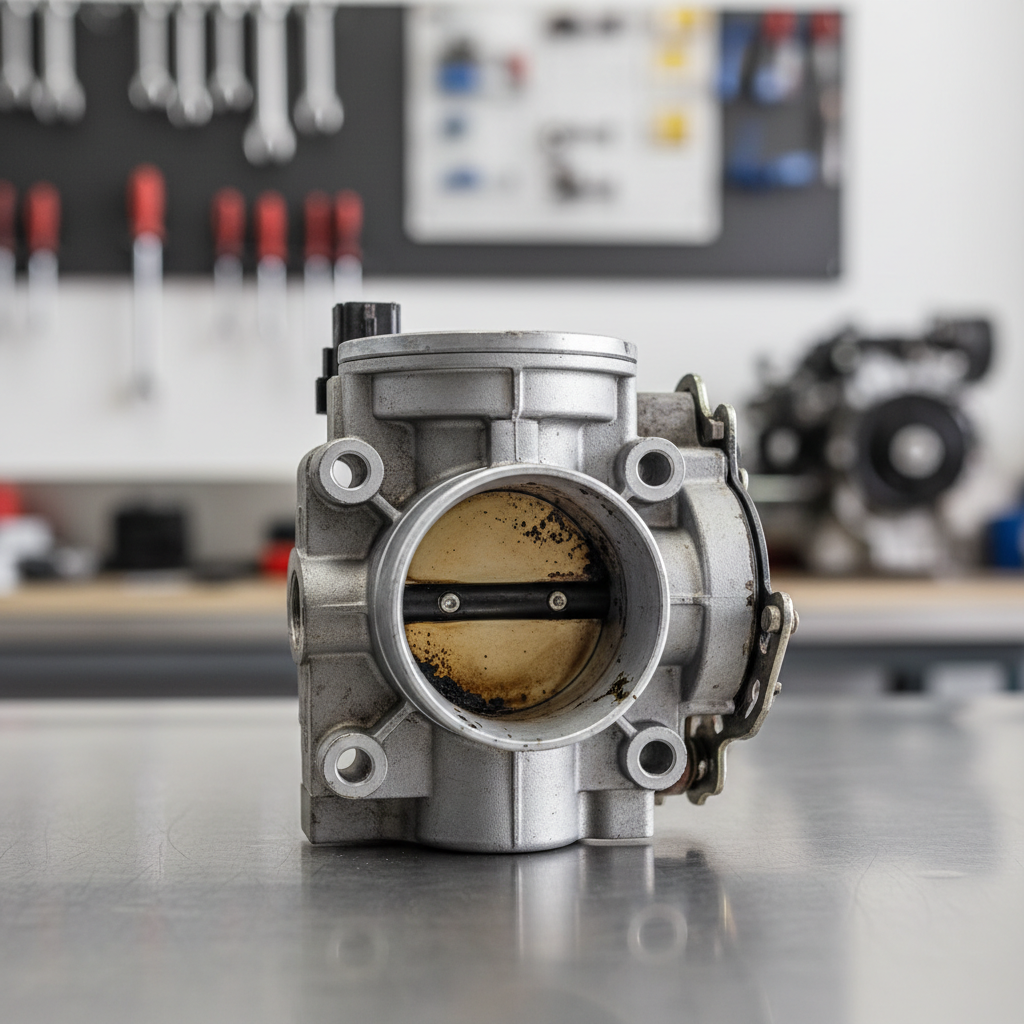
What a throttle body does (and why buildup hurts response)
The throttle body meters air into the engine. On most late-model cars, an electronic throttle body uses a motor and position sensors to open the plate based on pedal input and ECU commands.
When carbon and sticky oil film accumulate at the throttle plate edge, airflow at small openings becomes inconsistent. That’s exactly where drivability feels most “touchy,” like leaving a stop sign or creeping in traffic.
- Sticky throttle plate: the plate can momentarily hang then jump, creating an on/off feeling.
- Unstable idle airflow: the ECU keeps correcting, which may feel like hunting or surging.
- Skewed learned values: the ECU adapts around the dirt; after cleaning, it may need a relearn.
According to the U.S. Environmental Protection Agency (EPA), crankcase vapors routed through the PCV system are part of normal emissions control, and those vapors often carry oil mist that can contribute to intake deposits over time.
Common signs you’ll actually feel (not just “it’s dirty”)
A little discoloration inside the bore is normal. What matters is whether the deposits sit right where the plate closes and disrupts low-airflow control.
Look for a pattern of symptoms, not a single clue:
- Lazy response right as you tip into the pedal, then it “wakes up”
- Rough or wandering idle, especially with A/C on
- Occasional stalling when coming to a stop (more common on older/high-mile cars)
- Reduced mpg that doesn’t match your driving changes
- Sometimes a check engine light, sometimes nothing
If you’re chasing a misfire, strong fuel smell, or hard starting, don’t assume throttle body cleaning is the fix. Those can point to ignition, fuel delivery, vacuum leaks, or sensor issues.
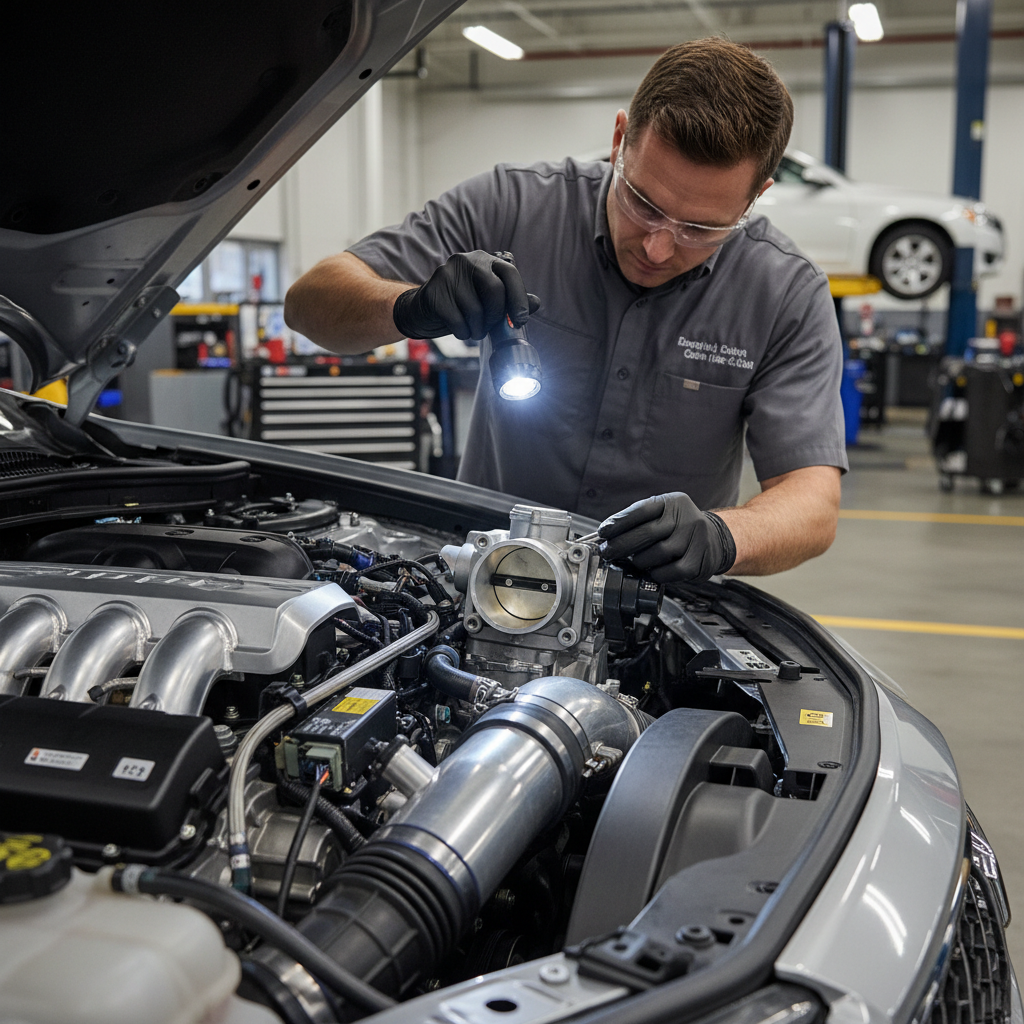
Quick self-check: should you clean it, or look elsewhere?
This checklist helps you decide if cleaning makes sense before you buy anything.
Good candidates for cleaning
- You see a dark ring of deposits at the throttle plate edge or bore
- Symptoms are mostly low-speed hesitation, sticky tip-in, or unstable idle
- High miles, lots of short trips, or frequent stop-and-go driving
Cases where cleaning may not move the needle much
- Symptoms happen only at highway speed under load (often not throttle-body related)
- Misfire codes (P0300–P030X) dominate the issue
- Strong signs of a vacuum leak (whistling, high idle, lean codes) that must be fixed first
If you’re unsure, pull the intake tube and do a visual check. That ten-minute look saves a lot of “parts cannon” frustration.
Tools and supplies (and what to avoid)
You don’t need much, but the wrong chemical or a rushed technique is where people get burned.
- Throttle body cleaner (not brake cleaner)
- Microfiber towels or lint-free shop towels
- Soft nylon brush or old toothbrush
- Screwdrivers/sockets for hose clamps and intake duct
- Nitrile gloves and eye protection
Avoid soaking electronics, spraying directly into sensors, and forcing an electronic throttle plate by hand unless the service info for your car says it’s acceptable. Many drive-by-wire units can be damaged or can set faults if you crank them open.
According to OSHA, many aerosol solvents are flammable and can irritate eyes/skin, so ventilation and basic PPE are worth taking seriously even for a “quick” DIY.
Step-by-step: how to clean a car throttle body for better response
This is the safer, repeatable process that works for most vehicles. The details vary by make, so when in doubt, check a factory service manual or reputable repair database for your model.
1) Prep the car and access the throttle body
- Park on level ground, set the parking brake, let the engine cool
- Open the hood and locate the intake tube between air box and throttle body
- Loosen clamps, disconnect small breather lines carefully, remove the tube
If your intake tube has cracks or soft spots, note that. An intake leak can mimic “bad response” and will make your results inconsistent.
2) Inspect before you clean
- Look for the dark deposit ring at the throttle plate edge
- Check for pooled oil (a little film is common, puddles deserve follow-up)
- Confirm the gasket area looks intact if the unit was previously removed
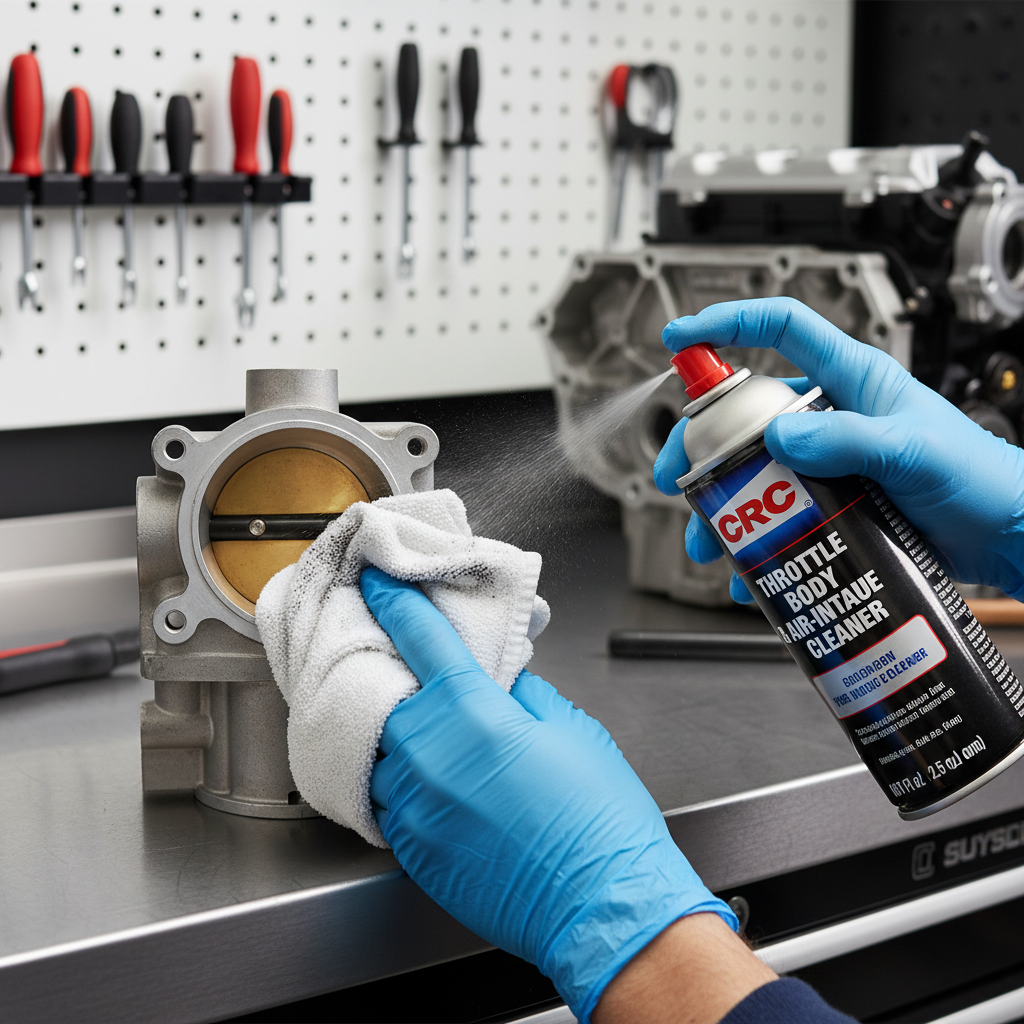
3) Clean the bore and plate edge (the part that matters most)
- Spray cleaner onto a towel, not directly into the throttle body (safer for electronics)
- Wipe the bore and the throttle plate face you can reach
- Focus on the plate edge and the ring where it seats, that’s where sticking comes from
If access is tight, use a lightly sprayed nylon brush, then wipe again. You’re aiming for a clean metal edge and a smooth bore, not a spotless, polished mirror.
4) If you must open the plate, do it gently
On cable throttles, opening by hand is typically straightforward. On electronic throttles, some cars allow gently moving the plate, others prefer key-on procedures or full removal. If you feel resistance, stop and look up your model’s guidance.
5) Reassemble, then handle the idle/throttle relearn
- Reinstall the intake tube and clamps, reconnect any hoses snugly
- Start the engine, expect a rough idle for a short period
- Let it idle a few minutes, then take an easy drive with smooth inputs
Many vehicles “relearn” on their own, but some need a specific idle relearn procedure or a scan tool command. If idle stays high or unstable after several drive cycles, that’s your cue to look up the correct relearn process for your exact year/make/engine.
Which cleaning method should you use? (table)
There are two common approaches: cleaning in place, or removing the throttle body. Most people should start with cleaning in place.
| Method | Pros | Cons | Best for |
|---|---|---|---|
| Clean in place | Fast, fewer parts disturbed, usually enough for response issues | Harder to reach the back side, risk of overspray if careless | Most daily drivers, mild to moderate buildup |
| Remove throttle body | Full access, thorough cleaning, easier to avoid spraying electronics | May require new gasket, more time, more chances for vacuum leaks | Heavy deposits, stubborn sticking, repeated issues |
Mistakes that commonly make throttle response worse
People don’t usually “ruin” a throttle body, but it’s easy to create a new idle problem.
- Spraying cleaner aggressively into the housing so it runs into electronics or intake
- Forcing an electronic throttle plate and stripping gears or setting throttle actuator codes
- Skipping the relearn when the car clearly needs it, then blaming the cleaning
- Leaving clamps slightly loose, creating an unmetered air leak and a lean condition
- Cleaning to “perfect” but ignoring the real cause, like a torn intake boot or PCV issue
One more subtle one: if the car already had borderline spark plugs or a weak coil, cleaning can make you notice the remaining hesitation more. It didn’t create the problem, it just removed one layer of compensation.
When to get professional help (and what to ask for)
If the car stalls repeatedly, throws throttle actuator codes, or idle stays unstable after proper reassembly and a relearn attempt, it’s reasonable to involve a shop. Diagnosis can save money when multiple systems overlap.
- Ask for a scan of throttle position data and any stored/pending codes
- Request a check for vacuum leaks and intake boot condition
- If deposits return quickly, ask about PCV function and excessive blow-by signs
If you have a warranty or a newer vehicle with sensitive drive-by-wire calibration, a professional throttle adaptation with a scan tool may be the cleanest path.
Key takeaways you can use today
- Low-speed hesitation and wandering idle often improve after a careful throttle body clean.
- Clean the plate edge and bore ring, that’s where response issues usually come from.
- Expect a short adjustment period, and look up your model’s idle relearn if needed.
- If symptoms point to misfire or vacuum leaks, don’t treat cleaning as a cure-all.
You don’t need to overthink how to clean car throttle body for better response, but you do need to slow down and do it cleanly. Start with a visual check, clean only what matters, then give the ECU time to settle or run the proper relearn. If the car still hesitates, you’ve at least removed one big variable, and the next diagnostic step gets simpler.
If you’re doing this weekend, pick one action now: inspect the throttle body and intake boot tonight, then plan your cleaning and relearn steps before you spray anything.
FAQ
- How often should I clean my throttle body for better throttle response?
Many drivers only need it every few years, but it varies with mileage, driving style, and how much oil vapor the intake sees. If your response is consistent and idle stays steady, you may not need to do it on a schedule. - Can a dirty throttle body cause hesitation without a check engine light?
Yes. A throttle body can be dirty enough to affect tip-in airflow yet not trigger a fault. The ECU can adapt for a while, so you feel it before the car complains. - Is throttle body cleaner safe for electronic throttle bodies?
Usually, yes, when used correctly. The bigger risk is application: spraying into the housing or soaking areas with electronics. Spraying onto a towel and wiping tends to be safer. - Do I need to disconnect the battery before cleaning?
Often not required, but some people do to reduce the chance of an accidental throttle movement. Disconnecting can also reset learned values, which may help or may create a temporary rough idle, so check your vehicle guidance. - Why is my idle high after I cleaned the throttle body?
Common reasons include an incomplete relearn, a small intake air leak from a loose clamp, or the ECU relearning airflow after deposits were removed. If it doesn’t improve after a few drive cycles, look up the relearn procedure for your model. - Should I clean the mass airflow sensor at the same time?
Only if you have a reason, like contamination or MAF-related symptoms, and only with proper MAF cleaner. Mixing jobs without a clear need can add variables and confusion. - Will cleaning the throttle body fix rough idle on its own?
Sometimes, especially if the roughness is tied to unstable airflow at idle. If the rough idle comes from misfire, vacuum leaks, or fuel issues, cleaning might not change much.
If you’re doing how to clean car throttle body for better response but you want a more “no guesswork” approach, a basic OBD2 scan and a quick intake leak check can point you to the right job before you spend time cleaning parts that aren’t the real culprit.