
how to fix car door lock that jammed usually comes down to one of a few issues: a frozen lock, dirt inside the cylinder, a weak key fob battery, or a linkage/actuator problem inside the door.
If you’re standing in a parking lot pushing buttons and nothing’s happening, it’s tempting to force the key or yank the handle harder. That’s also how people snap keys, bend linkages, or crack trim panels. A calmer, more methodical approach saves money and frustration.
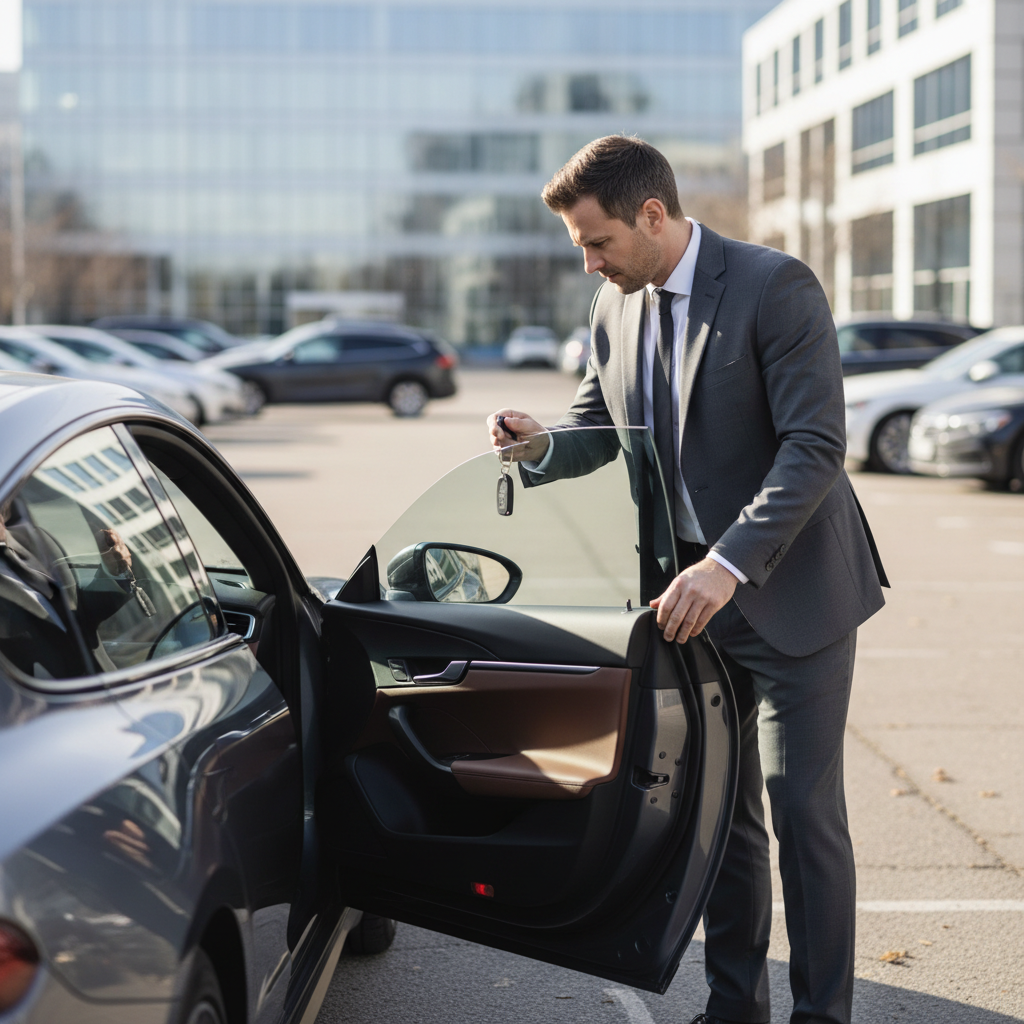
This guide helps you identify what’s actually stuck, then walk through fixes you can try without special tools. I’ll also call out the moments where DIY stops being smart and calling a pro becomes the safer move.
What “jammed” really means (so you fix the right problem)
People say “jammed” when different failures look similar from the outside. The fix changes depending on where the lockup happens.
- Key won’t go in or won’t turn: usually debris, worn key, frozen moisture, or a damaged lock wafer inside the cylinder.
- Key turns but door won’t unlock: mechanical linkage issue, broken clip/rod, or a seized latch mechanism.
- Key fob clicks but nothing moves: weak fob battery, blown fuse, wiring issue, or failed door lock actuator.
- Door unlocks but won’t open: latch jam, child safety lock confusion (rear doors), or handle cable problem.
Quick note: if the steering wheel is locked and the key won’t turn in the ignition, that’s a separate situation from a door lock jam.
Fast diagnosis: a 3-minute checklist before you touch tools
Before spraying anything or taking panels off, run these checks. They tell you whether you’re dealing with power, a cylinder problem, or the latch inside the door.
- Try a second entry point: passenger door, rear door, trunk/hatch. If others work, the car battery is probably fine and the issue is local to one door.
- Listen for actuator sound: press unlock and place your ear near the problem door. A faint whir/click suggests power is reaching the actuator, but the mechanism may be binding.
- Use the physical key (if you have a key cylinder): if the key won’t insert smoothly, focus on cylinder contamination or freezing.
- Check the fob range and battery: if the fob works only inches from the car, the coin cell may be dying.
- Check interior lock switch: if inside switch works but fob doesn’t, the fob/battery is likely.
According to NHTSA, power windows and door locks are commonly protected by fuses and relays; if multiple locks stop working at once, checking the fuse box becomes a reasonable early step.
Quick fixes you can try safely (no door panel removal)
These steps solve a lot of real-world lock jams, especially weather-related and “gritty cylinder” situations. If your goal is how to fix car door lock that jammed without disassembly, start here.
1) If it’s cold: treat it like a frozen lock
- Warm the key in your hand (or with a gentle heat source) and try again, using steady pressure.
- Use a lock de-icer that’s labeled for automotive locks if available.
- Avoid hot water on the lock area; it can refreeze and create a bigger problem.
If the door seal is frozen to the frame, unlocking might work but the door still won’t open. Lightly press around the seal to break ice rather than yanking the handle.
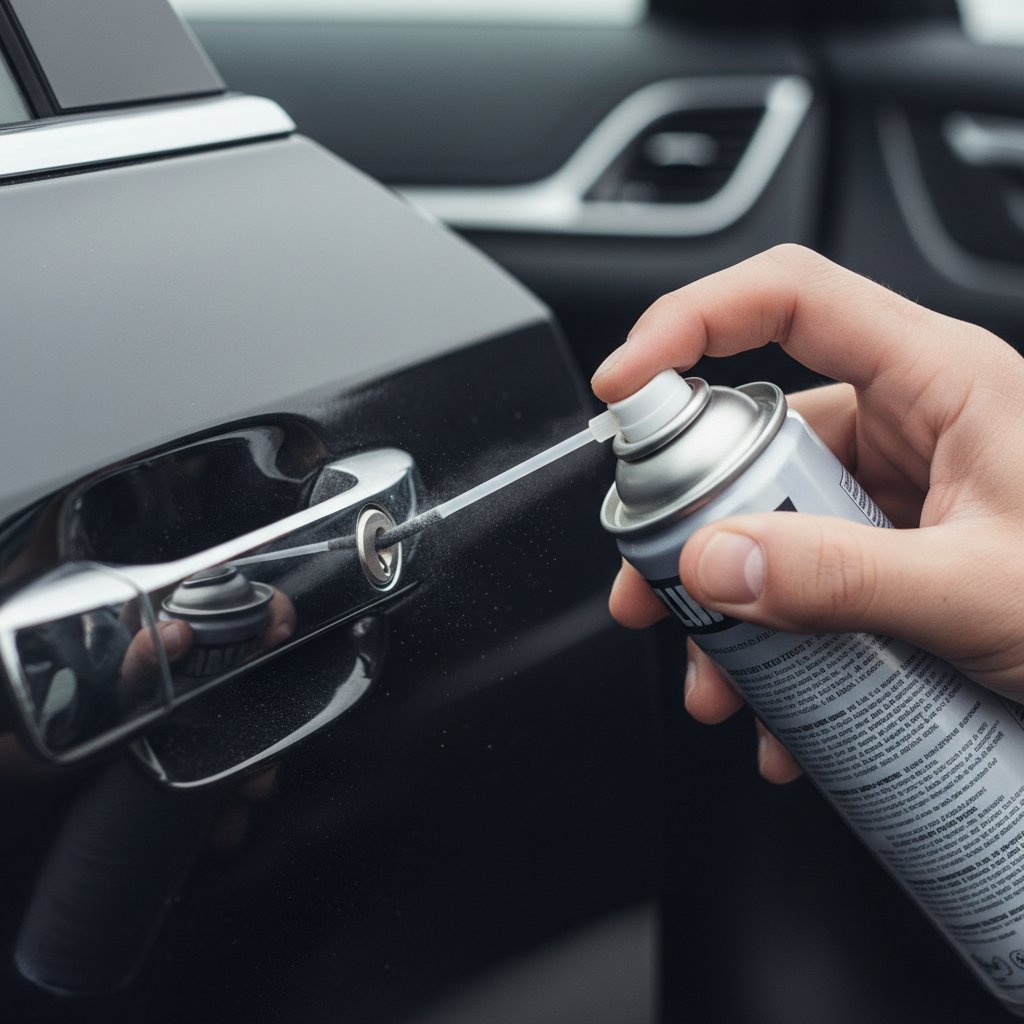
2) If the key feels gritty: clean and lubricate the cylinder correctly
For many vehicles, a contaminated keyway causes the “won’t turn” symptom. Use products intended for locks.
- Blow out debris with compressed air (short bursts).
- Use graphite or a lock-specific dry lubricant sparingly.
- Insert and remove the key several times to distribute lubricant, then try turning.
Avoid heavy oils in the cylinder. They can attract dirt and turn into sticky sludge over time, especially in dusty climates.
3) If power locks act weird: rule out the simple electrical stuff
- Replace the key fob battery (match the exact coin cell type).
- Try unlocking with the interior switch, then with the fob again.
- If all doors stop responding, check the related fuse (your owner’s manual lists locations).
If only one door fails and the rest work, a fuse is less likely. That pattern points more toward a single actuator or wiring issue in that door.
When the lock cylinder turns but the door still won’t unlock
This is the classic “it feels like it should work, but nothing happens.” Often the key cylinder is fine, and the issue is inside the door.
- Linkage rod popped off: a plastic clip breaks and the rod no longer moves the latch.
- Latch binding: dirt, corrosion, or wear makes the latch stick in the locked position.
- Actuator moves but can’t complete travel: weak actuator motor or friction in the latch.
A non-invasive thing to try: while holding the key in the unlock position (or holding the interior unlock switch), gently pull the exterior handle and lightly press the door inward. Sometimes that relieves pressure on a stuck latch just enough to release. If it doesn’t free up quickly, stop. Forcing can bend rods or crack the handle mechanism.
DIY door-panel approach (only if you’re comfortable)
If you’re still stuck and you’re confident with trim removal, you can inspect the latch and actuator. If airbags are integrated into the door on your vehicle, or you’re unsure about hidden clips, this step may be better left to a mechanic or locksmith.
Basic tool list
- Trim removal tools (plastic)
- Phillips/torx drivers (varies by vehicle)
- Flashlight
- Needle-nose pliers
- White lithium grease (for latch, not the key cylinder)
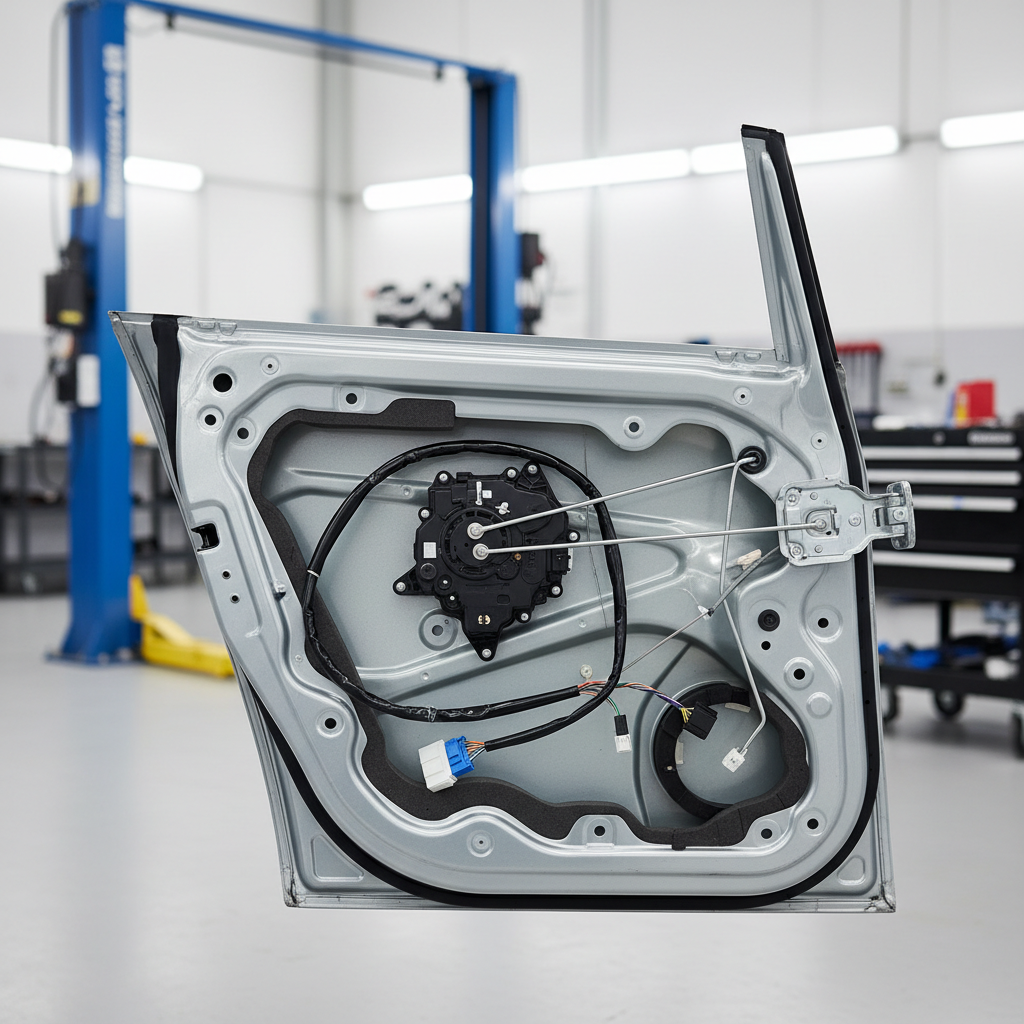
What you’re looking for inside the door
- Disconnected rods/cables: the handle moves but nothing at the latch moves.
- Broken retaining clips: common failure, inexpensive part but annoying symptom.
- Actuator test: press unlock and watch whether the actuator lever moves fully.
- Latch condition: sticky movement, rust, or hardened grease.
If the actuator is silent and not moving, you may be dealing with a failed actuator or a wiring break near the door hinge (wires flex there and can fatigue over time).
Fix options by symptom (quick reference table)
If you want the shortest route to how to fix car door lock that jammed, match your symptom to the most likely fix path below.
| Symptom | Likely cause | What to try first | When to stop DIY |
|---|---|---|---|
| Key won’t insert or feels stuck | Debris, damaged keyway, frozen moisture | Compressed air, de-icer, dry lock lube | Key bends, cylinder feels “crunchy,” metal shavings |
| Key inserts but won’t turn | Worn key, seized wafers, freeze | Try spare key, warm/de-ice, dry lube | Key twists hard, risk of snapping |
| Fob works on other doors only | Actuator weak, latch binding, door wiring | Listen for actuator, try interior switch | No movement + electrical smell, repeated fuse blows |
| Unlocks but door won’t open | Latch jam, frozen seal, handle cable issue | Relieve pressure, check seal icing | Handle feels loose or “dead,” door won’t open from inside |
Common mistakes that make the problem worse
- Forcing the key until it snaps, then you’re paying for extraction plus repair.
- Spraying thick oil into the cylinder, which often turns a dry grit problem into sticky paste.
- Using too much strength on the handle, especially on older plastic linkages.
- Ignoring patterns: one door failing is different from all doors failing, diagnose accordingly.
- Skipping the spare key test: a worn key can mimic a bad cylinder.
When it’s time to call a locksmith or mechanic
Some situations are fixable at home, but others turn into bigger damage fast.
- Your key is stuck and won’t come out without force.
- The key is close to snapping or already cracked.
- The lock cylinder spins freely without unlocking, which can indicate internal failure.
- You suspect wiring issues near the door hinge, or fuses keep blowing.
- The door won’t open from inside, which can become a safety issue; a professional inspection is a good idea.
According to AAA, when you’re locked out or dealing with a non-functioning lock, roadside assistance or a qualified locksmith may be the safest option versus forcing entry and damaging the vehicle.
Practical takeaways and next steps
Most “jammed” locks are either a dirty/frozen cylinder or a sticking latch/weak actuator. Start with the gentle, reversible fixes, then decide whether the symptom points inside the door.
- Do this today: test a spare key, replace the fob battery, and use a lock-appropriate dry lubricant if the cylinder feels gritty.
- Plan for prevention: keep a small de-icer or lock lube in your garage, and don’t wait months after the first “sticky” warning sign.
If you’re still stuck after the basic steps, you’ll save time by describing the exact symptom (key won’t turn vs. fob silent vs. latch stuck) when you contact a shop or locksmith.
FAQ
How do I know if my car door lock is frozen or actually broken?
If temperatures are near freezing and the key suddenly won’t turn (or won’t insert smoothly), freezing is plausible. A broken cylinder often feels rough or inconsistent even in warm weather, and the problem tends to repeat.
What lubricant should I use for a jammed car door lock cylinder?
Many technicians prefer a dry lock lubricant (like graphite) for the key cylinder because it doesn’t stay wet and attract dust. For the latch mechanism inside the door, a light grease is more appropriate.
Can a weak car battery cause one door lock to stop working?
A weak vehicle battery can make power locks act odd, but it usually affects multiple doors or causes slow operation across the system. If only one door fails, a local actuator or latch issue is more likely.
My key turns but the door won’t unlock. What’s the most common cause?
Often it’s a linkage clip or rod issue inside the door, or the latch binding. If the key movement doesn’t translate into latch movement, something between them has disconnected or seized.
Is it safe to keep trying the key if it won’t turn?
Gentle attempts are fine, but repeated hard twisting is where keys snap. If it won’t turn after warming/de-icing and a bit of dry lubricant, stopping early can prevent a much bigger repair.
Why does my key fob unlock other doors but not the driver door?
That pattern commonly points to a driver door actuator that’s weak or stuck, or a latch with extra friction. Listening for a click/whir at that door helps narrow it down.
How much does it usually cost to fix a jammed car door lock?
Costs vary a lot by vehicle and cause. A simple lubrication or clip replacement can be modest, while an actuator, latch assembly, or rekeyed cylinder can cost more due to parts and labor time.
If you’re trying to fix a lock that keeps jamming and you’d rather not guess, a local locksmith or independent mechanic can often diagnose the cylinder, latch, and actuator quickly, and tell you whether a small part or a bigger assembly is the real culprit.