
The best car fuel canister portable 5l is the one you can carry without leaks, pour without splashing, and store without stressing about fumes, because “good enough” gets expensive fast when you’re dealing with gasoline.
A 5L canister sits in a sweet spot for U.S. drivers, small enough to tuck behind a seat or in a cargo corner, but still useful for a real bailout when a station is farther than your range estimate.
Most people get tripped up by the same things, a “universal” spout that doesn’t fit modern filler necks, a vent that seeps odor, or a can that technically holds fuel but feels sketchy the moment it warms up in the sun. This guide helps you choose with a practical checklist, plus a quick comparison table and a few buying patterns that usually work in real life.
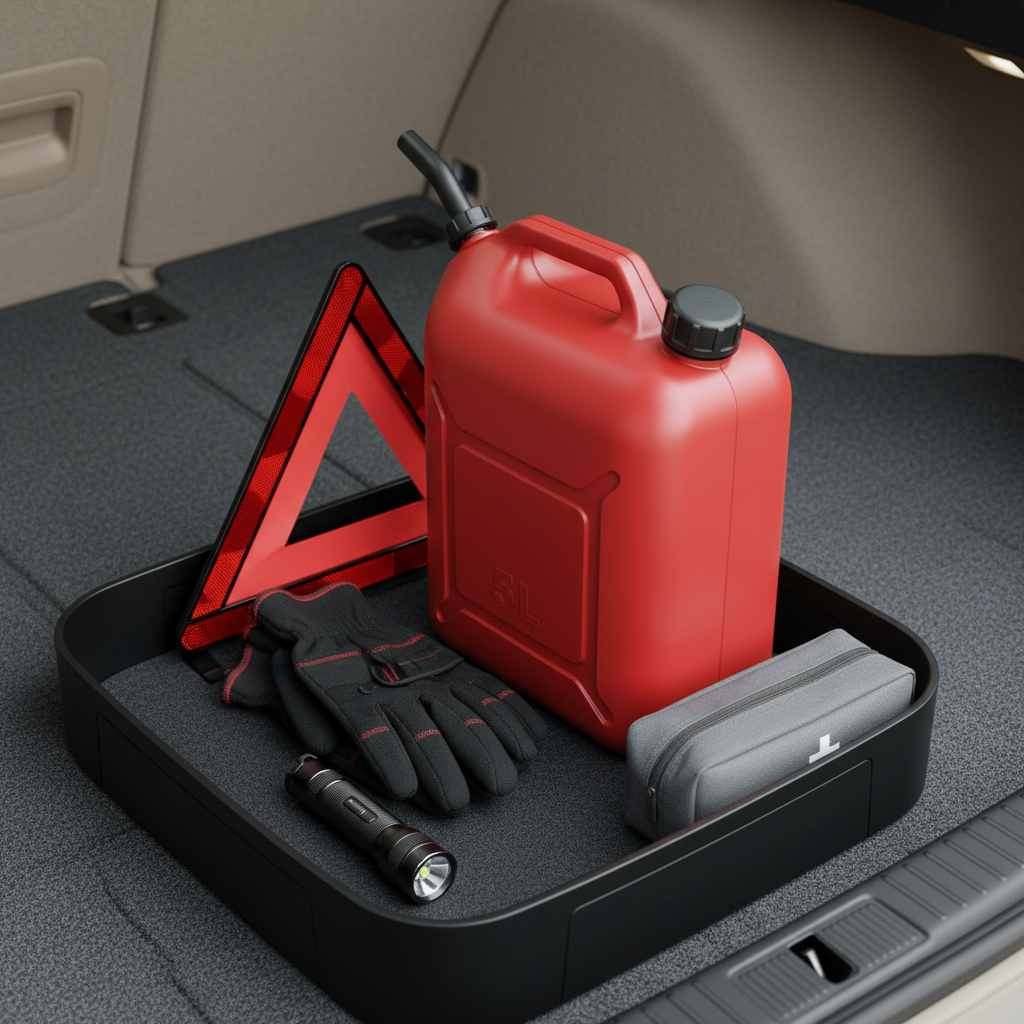
What matters most in a 5L portable fuel canister
Before brand names, lock down the features that keep fuel handling boring, boring is good here. A 5L canister that looks “tough” can still be a pain if the spout dribbles or the cap threads cross easily.
- Material: HDPE plastic is common and lightweight, metal canisters feel rugged but can dent and may rust if finish chips.
- Seal quality: Look for caps with solid gaskets, a weak seal tends to mean persistent odor and occasional seepage.
- Spout system: Many U.S. cans use CARB-compliant spouts, they can be safe but sometimes frustrating; compatibility matters.
- Pour control: A flexible spout or nozzle with a controlled valve reduces splashback and wasted fuel.
- Stability: A wide base and built-in handle reduce tipping when you set it down on uneven ground.
According to the U.S. Environmental Protection Agency (EPA)... portable fuel containers sold for gasoline must meet emissions requirements, which is why many “new style” spouts feel more complex than older vented designs.
Quick comparison table: what to look for when shopping
This isn’t a lab test table, it’s a buying table. If you know your likely use case, you can usually pick the right column and ignore the rest.
| Use case | Best canister type | Key features to prioritize | Common downside |
|---|---|---|---|
| Trunk emergency backup | HDPE plastic, CARB-compliant | Odor control, leak-resistant cap, stable base | Spout can be slow to pour |
| Overlanding/light off-road | Rugged plastic or metal, mount-friendly shape | Strong handle, thick walls, secure cap retention | Heavier, more expensive |
| Small engines (mower, generator) | Plastic with flexible spout | Precision pour, minimal drips, easy venting design | Nozzle clogs if stored dirty |
| Long storage rotation | Certified container, easy label area | Good gasket, tight threads, room for dates/notes | Needs careful storage practices |
Why 5L is a practical size for cars (and when it’s not)
A 5L canister is roughly 1.3 gallons, which can be enough to get you to a station in many situations without turning your car into a rolling fuel depot. It’s also easier to lift and pour cleanly than a full 5-gallon jug.
But there are cases where 5L is not the move. If you regularly drive remote routes where the next stop is truly far, one small can may offer false confidence, you might be better off planning fuel stops or using a larger, properly secured solution, depending on local rules and your vehicle setup.
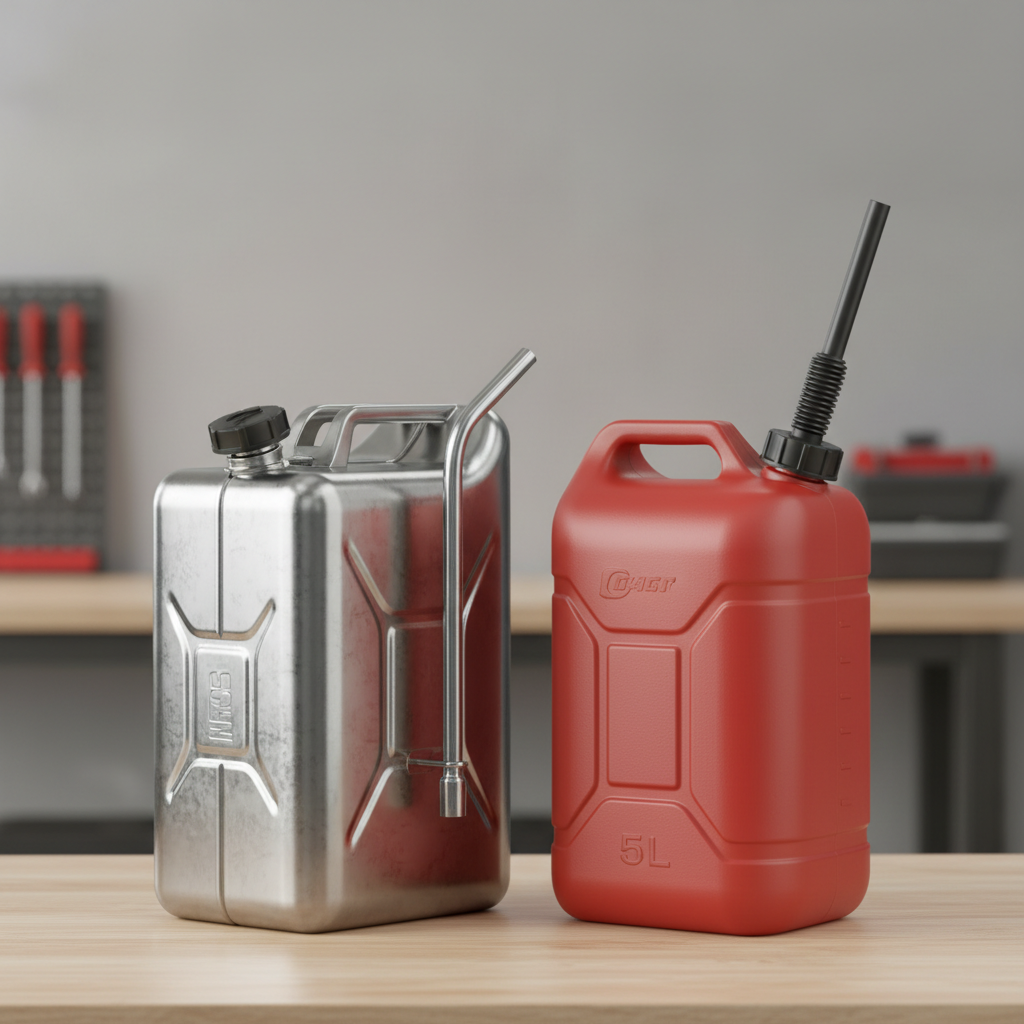
How to choose the best 5L portable fuel canister for your car
Choosing the best car fuel canister portable 5l often comes down to three decisions, container certification, spout behavior, and how you plan to store it in the vehicle.
1) Start with compliance and intended fuel
- Buy a container labeled for gasoline, not “multi-use” with vague wording.
- Check for compliance notes relevant to your state, many products mention CARB compliance for California and other CARB states.
- Don’t assume a “water can” or generic utility jug is close enough, plastics and seals vary.
2) Pick a spout you’ll actually use correctly
- If you hate finicky nozzles, look for systems with a controlled trigger that feels predictable.
- Look for a spout length that clears modern filler necks without forcing the angle.
- Prioritize a design that stores the spout cleanly, fuel residue attracts dirt, dirt causes leaks.
3) Decide how it will live in your car
- Upright and secured usually beats “wedged somewhere.” A small tie-down or trunk organizer helps.
- Avoid storing near heat sources or in direct sun for long periods when possible.
- If fumes are a concern, favor better seals over “easy venting.”
Self-check: are you buying the right canister or just reacting to a scare?
If you’re shopping right after you ran out of gas, it’s easy to overbuy features you won’t use, or underbuy safety. Run this quick check and you’ll land closer to the right product.
- Where will you store it? Cabin, trunk, truck bed, roof rack, each changes your priorities.
- How often will you refill and rotate? Occasional emergency use needs strong seals, frequent use needs fast, clean pouring.
- Do you have modern capless or restricted filler necks? Some spouts fit poorly and turn a simple pour into a mess.
- Are you okay with slower CARB-style pouring? If not, shop specifically for a spout system people report as controllable.
- Do you need to carry it outside the car? A comfortable handle and lighter material matter more than you’d think.
If you answered “I’ll keep it in the cabin” or “I won’t secure it,” pause and rethink, that combination tends to create odor complaints and spill risk even with a decent product.
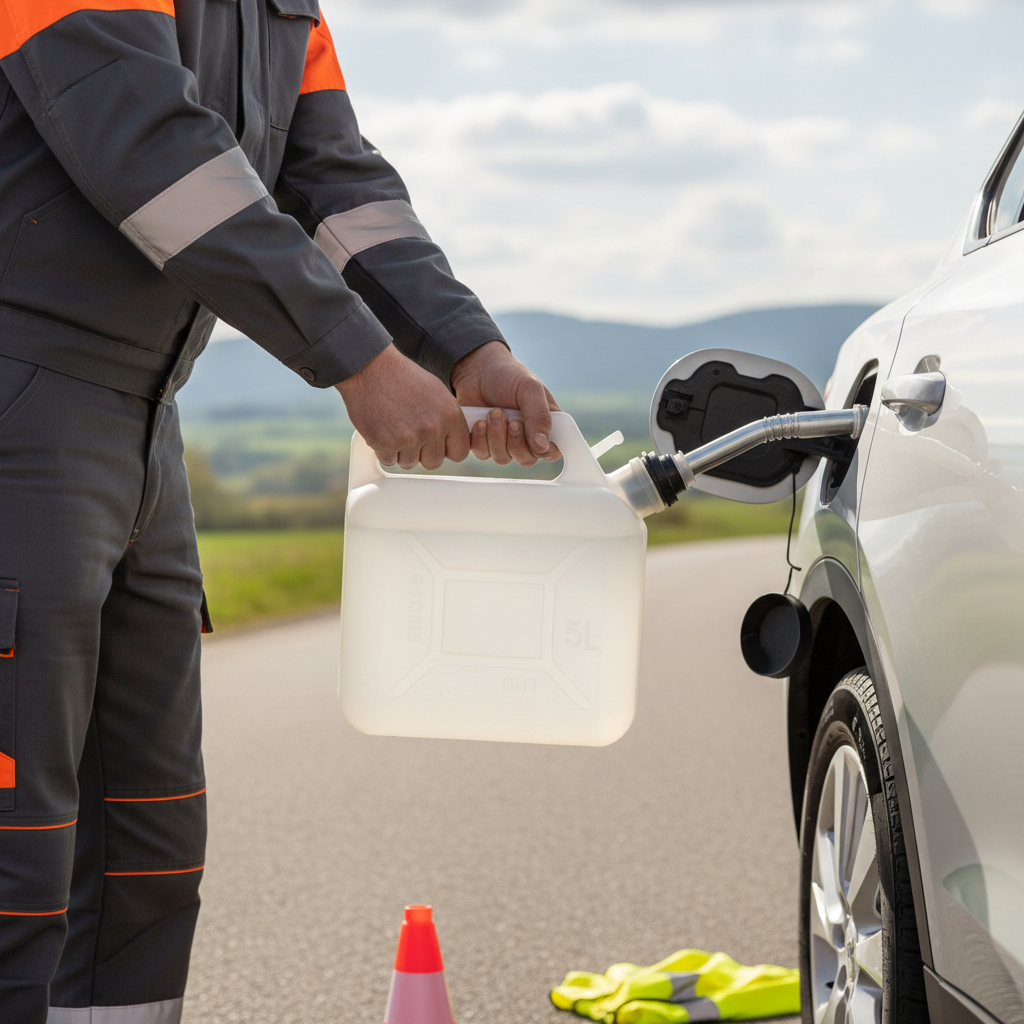
Practical use steps: fill, carry, pour, store (without drama)
Using a small canister sounds obvious, but most mess happens in the boring steps, overfilling, cross-threading, or rushing the first second of the pour.
Filling at the pump
- Place the canister on the ground while filling when possible, static electricity risk varies, but grounding the container is a common safety recommendation.
- Leave headspace, don’t fill to the brim, gasoline expands with heat and pressure.
- Wipe the spout and threads before closing, a thin film can cause long-lasting odor.
Carrying and storing in the vehicle
- Keep it upright and secured so it can’t tip during hard braking.
- Store away from sharp objects that can puncture plastic, and away from items you’d hate to smell like fuel.
- Label the canister with fill date if it might sit, stale gas can cause engine issues, and fuel storage stability varies by formulation and conditions.
Pouring into your car
- Test-fit the spout before you’re stranded, compatibility surprises show up at the worst time.
- Start the pour slowly, let the spout seal and airflow stabilize before increasing flow.
- If your spout has a lock/trigger, keep your grip steady, “pumping” often causes splashes.
According to the National Fire Protection Association (NFPA)... gasoline is a flammable liquid and vapors can ignite, so using approved containers and keeping fuel away from ignition sources is a sensible baseline, if you’re unsure about safe handling, it’s worth asking a qualified professional.
Common mistakes that make a “good” canister feel terrible
This is where a lot of 1-star reviews come from, not because the container can’t hold fuel, but because small details weren’t considered.
- Buying the cheapest spout system and assuming you can “make it work,” many people end up spilling more than they save.
- Storing it full for long periods in a hot vehicle, pressure and odor problems become more likely.
- Mixing fuel types in one canister over time, contamination happens easily, especially with small engines.
- Over-tightening caps, it can damage gaskets or threads, leading to slow leaks later.
- Skipping a quick sniff-check after closing, if you smell strong fumes right away, the seal probably isn’t right.
One more thing, if you’re chasing “no fumes ever,” that’s hard to guarantee. Even solid containers can smell a bit depending on temperature swings and how clean the exterior stays.
Key takeaways and a simple recommendation path
If you want a clean buying decision, pick your canister by the friction points you’re least willing to tolerate, then verify certification and spout compatibility.
- For most drivers: a certified 5L HDPE container with a reliable gasket and a controlled spout is the safest, simplest bet.
- For rough use: prioritize durability and secure storage options, then accept extra weight and cost.
- For small-engine precision: choose a canister that pours slowly and cleanly, with a spout that stores without drips.
When you’re comparing listings, don’t get distracted by “tactical” styling, focus on seal design, spout usability, and whether you can store it upright. That’s usually what separates the best car fuel canister portable 5l from the one you regret using on a windy shoulder.
If you want a low-hassle next step, make a shortlist of two or three certified 5L options available in your state, then check spout compatibility with your vehicle and decide how you’ll secure it in the trunk before you click buy.