
Best car interior cleaner leather usually means one thing in real life, you want seats that look clean without ending up shiny, sticky, or cracked a month later. The tricky part is that “leather” in many U.S. cars is coated leather or even leatherette, so the wrong product choice can waste time and sometimes make wear look worse.
This guide breaks down what to look for, which cleaner types fit common situations, and a practical routine you can repeat. I’ll also point out the mistakes that keep showing up, like using household cleaners or over-conditioning because it “feels dry.”
According to the Leather Working Group (LWG), most modern automotive leather is finished with a protective coating, so maintenance focuses on gentle cleaning and protecting the finish rather than soaking the hide with oils.
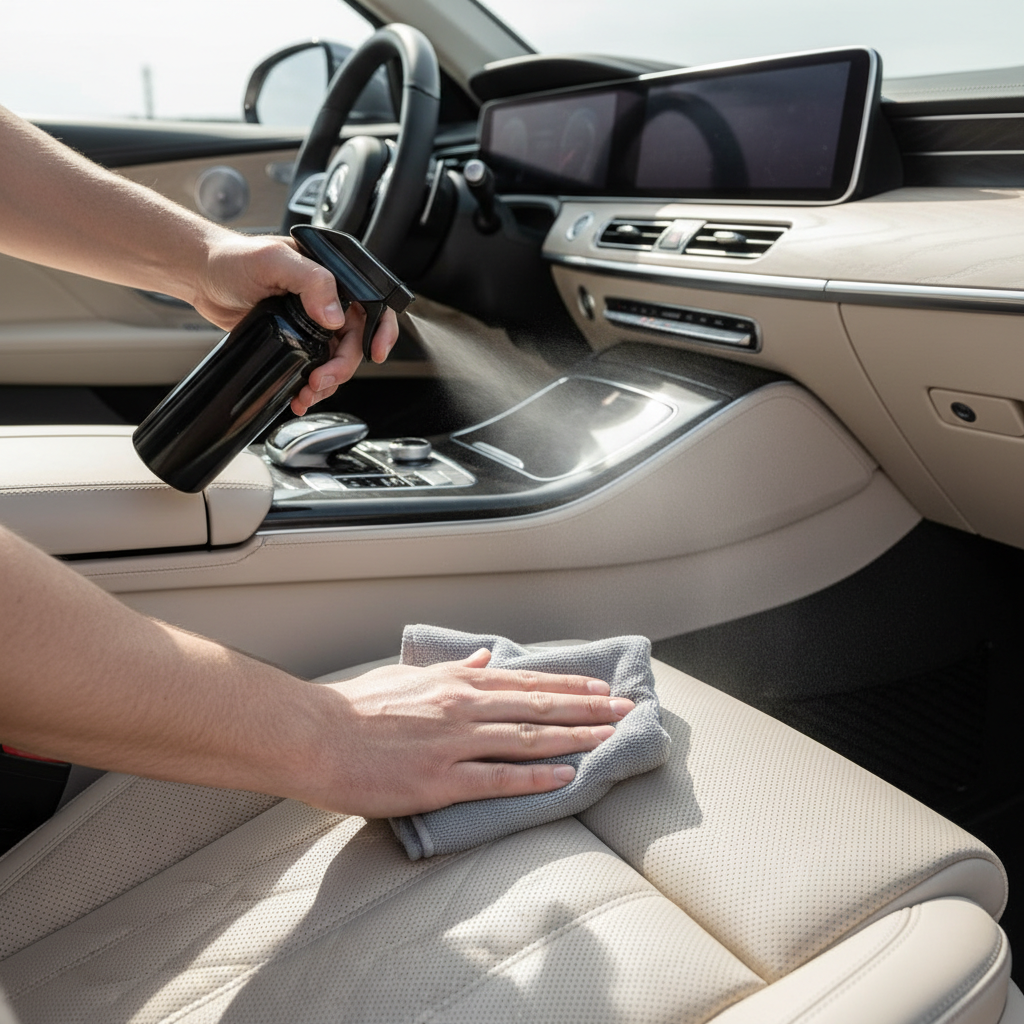
What “Leather” in Cars Usually Is (and Why It Matters)
Many people assume car leather behaves like a leather jacket, but automotive upholstery often has a clear topcoat. That topcoat is why spills bead up at first, and also why harsh cleaners can dull or haze the surface.
In practice you’ll see a few common materials:
- Coated leather (very common): pigment plus protective finish, needs gentle cleaning and UV protection.
- Nappa/aniline-style (less common, more delicate): can mark easier, typically needs extra caution and spot testing.
- Leatherette/PU “vegan leather”: not leather, but still hates strong solvents and strong alkalines.
If you’re not sure, treat it like coated leather and avoid aggressive products. When in doubt, your owner’s manual sometimes names the material, and many dealerships can confirm trim codes.
Why Leather Seats Get Sticky, Shiny, or “Dry”
Most seat problems come from buildup, abrasion, and heat, not a mysterious lack of oil. A lot of “dry leather” is actually a combination of body oils + dust that makes the surface look dull and feel grabby.
- Shine on bolsters: usually abrasion and polished topcoat, sometimes combined with product residue.
- Sticky feel: often too much dressing/conditioner, or a cleaner that wasn’t wiped fully.
- Dark patches: transferred dye from jeans, sunscreen, or hand lotion.
- Fine cracking look: can be topcoat wear from UV/heat, sometimes accelerated by harsh cleaners.
According to the U.S. Environmental Protection Agency (EPA), indoor and in-vehicle air can concentrate certain chemical vapors, so choosing lower-odor, lower-irritant products and ventilating during cleaning is a practical safety habit.
Quick Self-Check: What Type of Cleaner Do You Actually Need?
Before shopping for the best car interior cleaner leather, do a 60-second check. It saves money and prevents overdoing it.
- Light dust, no stains: mild leather cleaner or an interior-safe pH-balanced cleaner, plus microfiber.
- Sticky or glossy areas: a dedicated leather cleaner with a soft brush, then a damp wipe to remove residue.
- Dye transfer (blue/black tint): leather-safe cleaner, repeated gentle passes, avoid harsh solvents, consider a pro if it’s set in.
- Food spills/salt marks: gentle cleaner, blotting, and careful drying, then protectant.
- Visible cracking or worn color: cleaning helps appearance a bit, but real repair may require refinishing products or upholstery help.
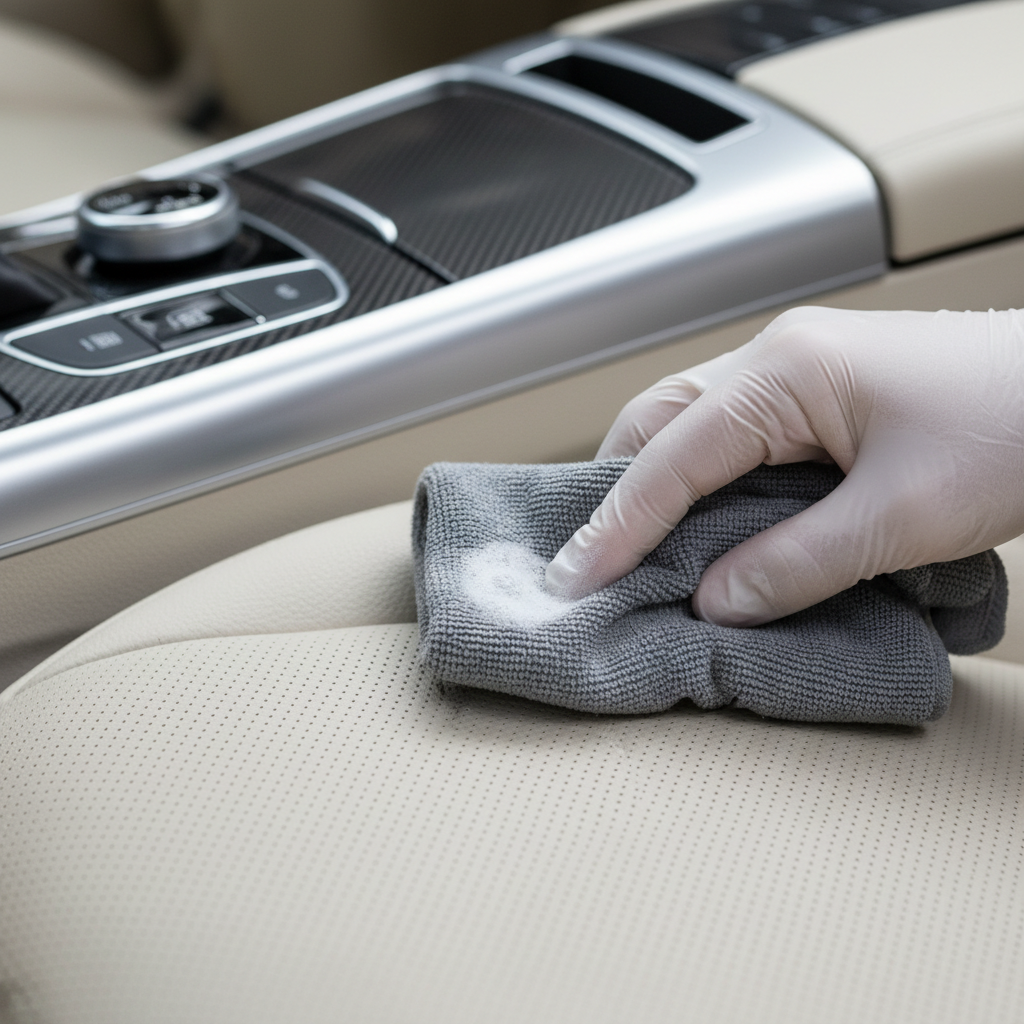
Cleaner Types Compared (Table): Which One Fits Your Situation?
There isn’t one universally “best” product type, because the right fit depends on soil level, finish type, and how sensitive you are to scent. Here’s a practical comparison you can use when scanning labels.
| Cleaner type | Best for | What to watch | Good follow-up |
|---|---|---|---|
| pH-balanced leather cleaner (spray/foam) | Routine cleaning, body oils, light grime | Overuse can leave residue if not wiped | Matte protectant with UV inhibitors |
| All-purpose interior cleaner labeled leather-safe | One-bottle maintenance for mixed surfaces | Some formulas are stronger than needed, always spot test | Dedicated leather protectant on seats |
| Leather cleaner + conditioner combo | Convenience on newer coated leather | Can add shine, can feel slick, may attract dust | Buff thoroughly with clean microfiber |
| Matte leather protectant (separate step) | Heat/UV protection, “new car” finish look | Avoid greasy dressings, especially on steering wheels | Reapply lightly every few months |
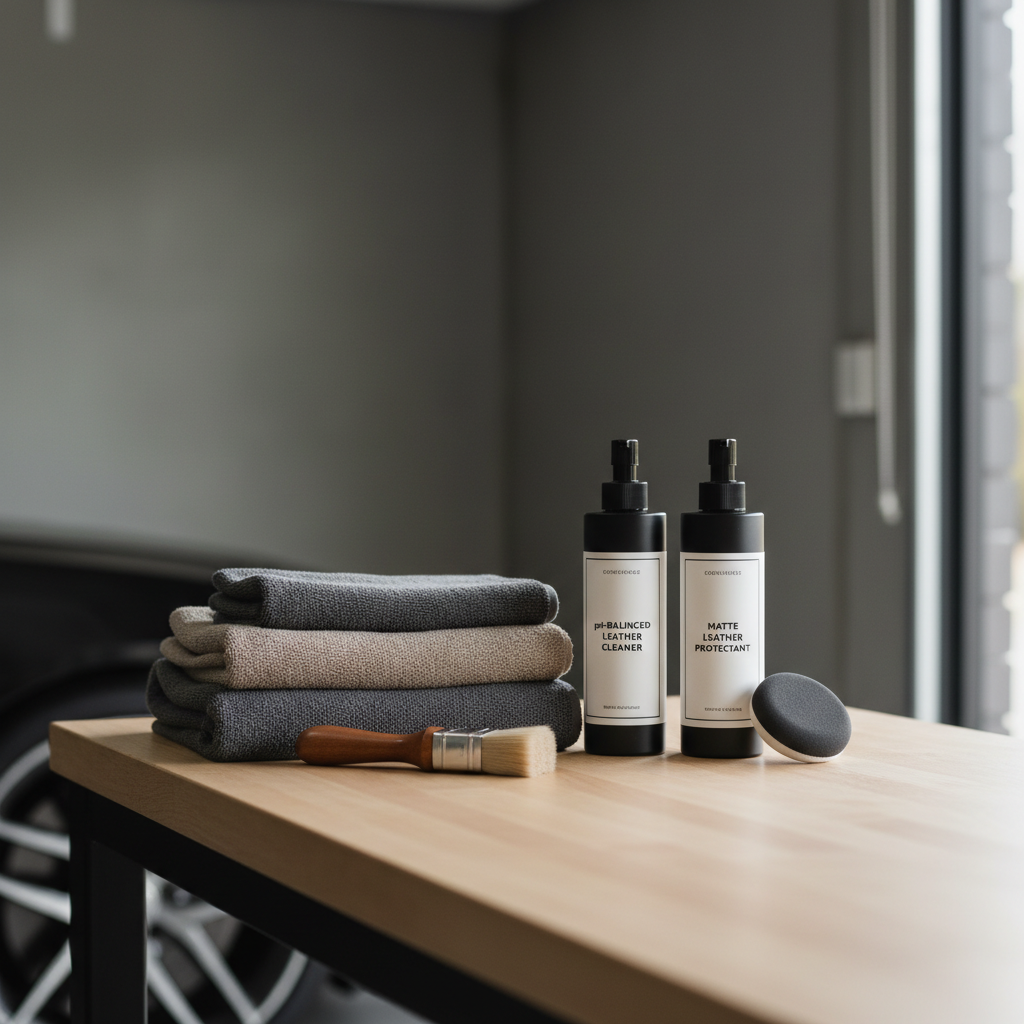
If you’re building a simple kit, a dedicated leather cleaner plus a separate matte protectant tends to be the most forgiving combo.
How to Clean Leather Seats Without Making Them Worse (Step-by-Step)
This routine works for most coated leather and many leatherette interiors. If your seats are perforated, go lighter on liquid and keep it on the towel or brush, not flooding the holes.
1) Prep so you’re not grinding grit in
- Vacuum seams and perforations using a soft brush attachment.
- Dry microfiber wipe to lift loose dust.
2) Spot test, then work small sections
- Apply cleaner to a microfiber or soft leather brush, not directly to the seat if overspray is likely.
- Agitate gently, especially on bolsters and armrests.
- Wipe immediately with a clean towel, then a slightly damp towel if the surface feels grabby.
3) Address stains with patience, not strength
- Repeat mild passes instead of “one aggressive scrub.”
- For dye transfer, keep expectations realistic, some staining penetrates or bonds to the finish.
4) Protect, then buff to a natural finish
- Use a leather protectant that dries matte or near-matte for most OEM interiors.
- Buff lightly so the seat feels clean, not slick.
When people ask why the best car interior cleaner leather “didn’t work,” it’s often because the wipe-off step was rushed. Residue is what creates that frustrating shine and dust magnet effect.
Key Buying Criteria (What to Look for on the Label)
Shopping is easier if you ignore buzzwords and focus on a few signals that usually predict a good experience.
- Leather-safe and pH-balanced: a good baseline for coated leather.
- Matte finish claims for protectants: helps avoid that greasy look.
- Low odor or no added fragrance: helpful if you’re sensitive, and for enclosed cabins.
- Clear directions that mention wiping and buffing: a small thing, but it suggests the brand expects correct use.
- Compatibility with leatherette if your car has mixed trim.
Quick takeaway: the best results usually come from a gentle cleaner + microfiber technique, not from the strongest formula.
Common Mistakes That Waste Time (or Cause Damage)
These are the moves that tend to backfire, even when intentions are good.
- Using household cleaners like bleach, ammonia, or strong degreasers, they can dull finishes and dry out topcoats.
- Over-conditioning coated leather until it feels oily, most modern seats don’t absorb it the way people expect.
- Magic eraser on everything: it’s abrasive, sometimes it helps on transfer, but it can also remove dye or dull the finish, spot test only.
- Soaking perforated seats: moisture can sit in foam, leading to odor or discoloration.
- Ignoring steering wheel safety: slick dressings on a wheel can reduce grip, keep the wheel clean and mostly bare, or use a non-greasy protectant sparingly.
According to the National Highway Traffic Safety Administration (NHTSA), maintaining vehicle components in safe operating condition matters, so anything that might reduce steering wheel grip or pedal traction deserves extra caution.
When It’s Time to Call a Pro (and What to Ask)
Sometimes cleaning is the wrong fight. If the finish is worn through, the “stain” is actually missing pigment, and you’ll keep chasing it.
- Color loss, peeling, deep cracking: ask about leather repair or refinishing, not just detailing.
- Severe dye transfer that returns: could be finish wear allowing deeper staining.
- Mold/mildew smell: this can be a health concern, consider a qualified detailer or remediation specialist, and if symptoms occur, it’s sensible to consult a medical professional.
What to ask a shop, keep it simple: what products they use on coated leather, whether they finish with a matte protectant, and how they avoid residue.
Conclusion: A Simple Plan That Usually Works
If you want a clean, factory-looking interior, aim for gentle cleaning, thorough wipe-off, then light protection. That approach tends to beat chasing “stronger” formulas, and it keeps the seat feel natural.
Pick one leather-safe cleaner, stock a few quality microfiber towels, and set a small routine, quick wipe monthly, deeper clean seasonally. If you’re shopping for the best car interior cleaner leather, choose the product type that matches your actual problem, not the loudest label.
FAQ
- What is the best car interior cleaner leather for regular maintenance?
For most modern coated leather, a pH-balanced leather cleaner plus a separate matte protectant is a reliable, low-drama setup. - Can I use an all-purpose cleaner on leather seats?
Sometimes, if it’s explicitly labeled leather-safe and you dilute or use it gently, but routine care usually goes better with a dedicated leather cleaner. - How do I remove jean dye transfer from leather?
Start mild, repeat gentle passes, and stop if you see color lift from the seat itself. If transfer is heavy and old, a professional may be more realistic than aggressive DIY. - Do leather seats need conditioner?
Many OEM seats have a protective coating, so they often need cleaning and UV protection more than heavy conditioning. If you do condition, use a non-greasy product and buff well. - Why do my seats look shiny after cleaning?
Usually residue or abrasion-polished areas. Try a second wipe with a slightly damp microfiber, then dry-buff, and avoid heavy dressings next time. - Is steam cleaning safe for leather car seats?
It can be, but heat and moisture can be risky on seams, perforations, and older finishes. If you try it, keep the tool moving, use low moisture, and spot test first. - How often should I clean and protect leather seats?
Light wipe-down monthly is common, protection every few months works for many drivers, but it depends on sun exposure, kids, pets, and commute time.
If you’re trying to choose products and don’t want a shelf full of half-used bottles, a simple cleaner-and-protectant pair plus the right towels is usually the most painless way to keep leather looking right without constant rework.