
Best car tire valve stem caps sound like a tiny detail, but they can save you from annoying slow leaks, seized valve cores, and that "why is my tire light on again" feeling that always shows up at the worst time.
Most people buy whatever looks cool, then discover the threads corrode, the cap cracks in winter, or the set simply doesn’t seal well. The frustrating part is that valve caps are cheap, but the downstream problems can waste real time and money.
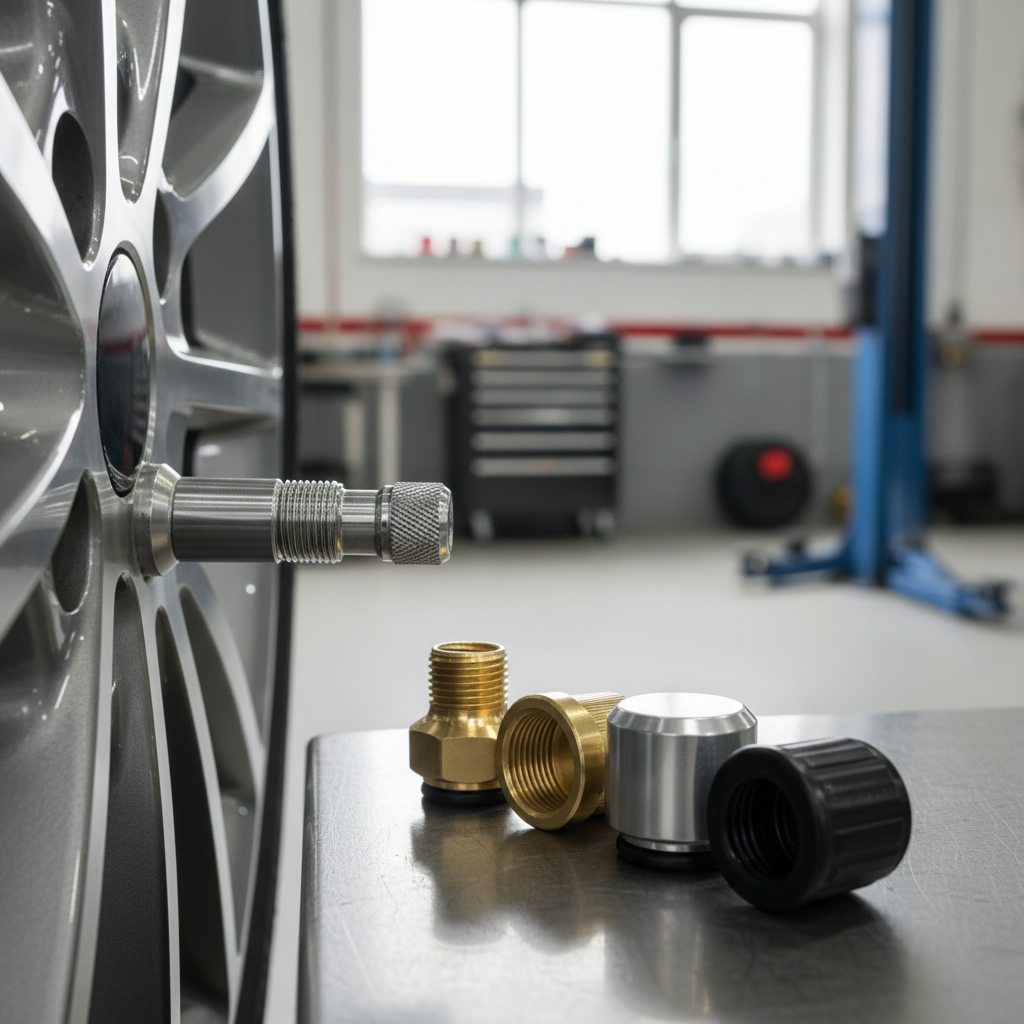
This 2026 guide stays practical: what actually matters for daily drivers in the U.S., what to skip, and how to pick caps that play nicely with TPMS and harsh weather. I’ll also include a quick checklist so you can decide in two minutes whether you even need to replace yours.
What a valve stem cap really does (and what it doesn’t)
A valve stem cap is primarily a dust-and-moisture shield. It helps keep grit, road salt, and water away from the Schrader valve core, the small spring-loaded piece that actually holds air pressure.
It’s worth saying out loud: in many cases, the cap is not the main airtight seal. The valve core provides the seal, and the cap is the backup protection. Still, in real-world driving, a good cap with an O-ring can reduce the chance that slow leaks start after contamination or light valve-core seepage.
According to NHTSA, proper tire inflation is a key factor in vehicle safety and handling, and anything that reduces avoidable air loss supports that routine maintenance goal.
Why valve stem caps fail in everyday U.S. conditions
When people complain that caps “don’t work,” it’s usually one of these situations.
- Galvanic corrosion: aluminum caps on brass valve stems can fuse over time, especially with road salt and moisture, making removal a small nightmare.
- Missing or poor O-ring: without a decent rubber seal, water and grime sneak in more easily, and the cap feels “tight” but doesn’t protect well.
- Cheap plastic cracking: temperature swings and UV exposure can make brittle caps split, then they fall off.
- Overtightening: cranking down a metal cap can damage threads or compress the seal unevenly, which is counterproductive.
- TPMS sensor concerns: some wheels use valve stems integrated with sensors, and badly-fitting caps can create persistent nuisance issues (usually physical fit, not electronics).
If you drive in the Rust Belt, near the coast, or anywhere with winter de-icing, corrosion risk alone is reason to choose materials carefully.
Quick self-check: do you need new caps right now?
Before buying anything, check these. If you hit two or more, replacing caps is usually worth it.
- One or more caps are missing, cracked, or won’t thread smoothly.
- You see white powdery oxidation or green corrosion around the valve stem threads.
- Caps feel “stuck,” and you’re afraid the stem will twist when removing them.
- You get slow leaks and no puncture is found, especially after rain or snow.
- You air down/off-road or drive on gravel often, where dust intrusion is common.
If everything looks clean and the caps remove easily, you may not “need” an upgrade, but better caps can still be a low-effort preventative move.
Best car tire valve stem caps 2026: practical picks by use case
Instead of pretending there’s one perfect choice, here’s a simple way to match a cap type to your situation. These categories reflect what tends to work in daily driving.
Comparison table (choose by material + features)
| Cap type | Best for | Pros | Watch-outs |
|---|---|---|---|
| High-quality plastic with O-ring | Most commuters | Low corrosion risk, cheap, light, usually TPMS-friendly | Very cheap versions can crack or loosen |
| Brass caps with seal | Salt, winter, long-term durability | Great corrosion compatibility with brass stems, sturdy threads | Can tarnish, still avoid overtightening |
| Stainless steel caps with seal | Premium durability, coastal areas | Strong, corrosion-resistant, clean look | Quality varies; confirm a real gasket/O-ring |
| Anodized aluminum “decorative” caps | Looks-focused builds (with care) | Lots of colors, lightweight | Higher chance of seizing on brass stems, especially in salted climates |
| Locking caps | Theft-prone areas | Harder to steal | Easy to lose the key, can be more hassle than value |
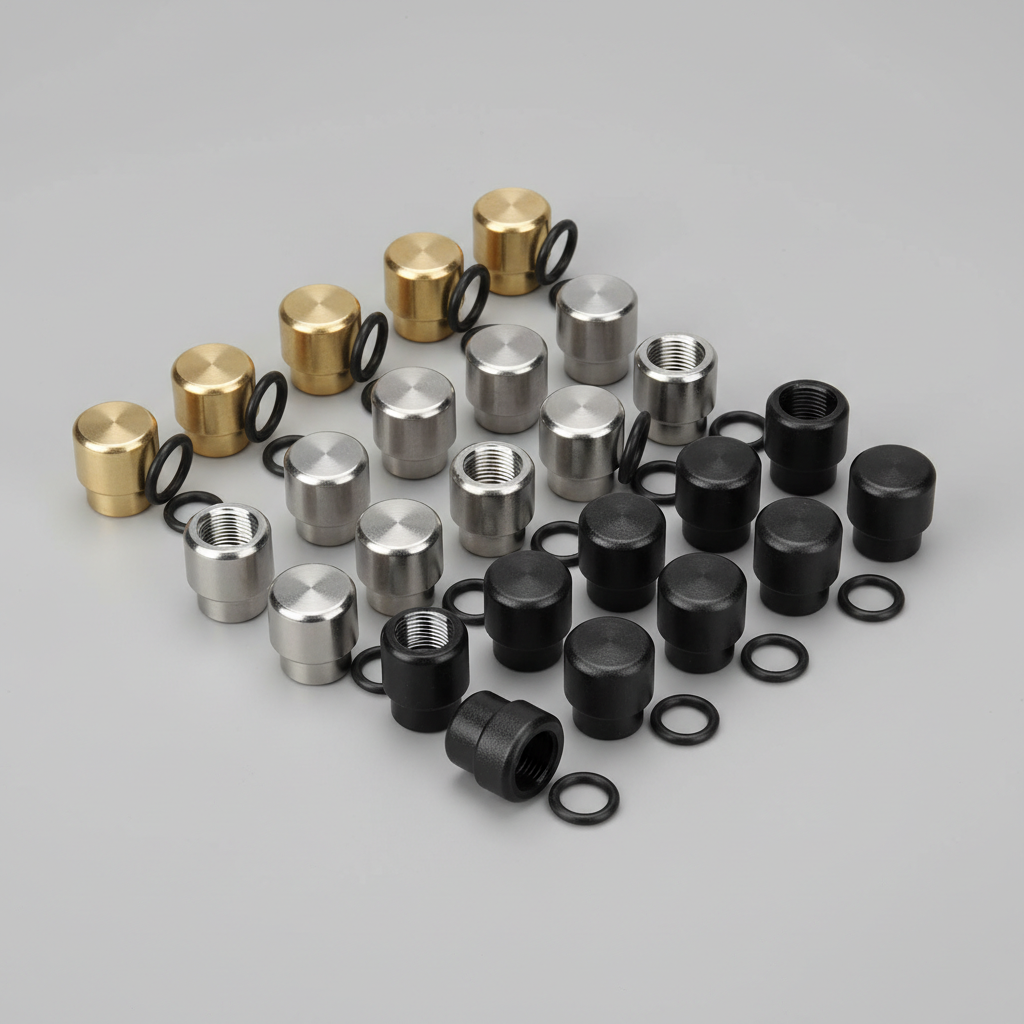
My 2026 “safe default” recommendation
For most U.S. drivers, the most reliable value is a quality plastic or brass cap with a real O-ring. It’s boring, and that’s kind of the point. Fewer seized caps, fewer winter surprises, fewer stripped threads.
If you live where road salt is heavy, brass tends to be a calmer long-term pairing because many valve stems are brass. Stainless can also be excellent if it’s well-made and includes a proper seal.
When decorative metal caps still make sense
If you’re set on anodized aluminum for aesthetics, treat it as “maintenance-required.” Remove, clean, and re-install periodically, and consider a tiny dab of appropriate anti-seize on the threads. If you’re unsure what’s safe for your specific stem or wheel finish, a tire shop can advise.
How to pick the right caps: a simple buying checklist
When you’re scanning product pages, ignore the hype words and look for a few concrete details. This is where the best car tire valve stem caps usually separate from the throwaway sets.
- O-ring or gasket present: look for photos that clearly show a rubber seal inside the cap.
- Material match: brass-on-brass is low drama; plastic is also low corrosion risk. Be cautious mixing aluminum with brass in salty climates.
- Standard Schrader compatibility: most U.S. passenger vehicles use Schrader valves, but confirm if you have specialty wheels.
- Thread quality: rough threads feel gritty and cross-thread easily, especially on cold mornings.
- Reasonable profile: super-tall caps can catch on automatic air chucks or get knocked around more.
Key point: if a listing can’t clearly show the seal and material, it’s often a sign the product competes mainly on price.
Installation and maintenance that actually prevents problems
Putting caps on is simple, but a couple habits reduce corrosion and slow-leak headaches.
Quick install steps
- Remove the old cap and inspect threads on the stem.
- If you see corrosion, wipe gently with a clean cloth; avoid aggressive tools that can damage threads.
- Thread the new cap on by hand until snug, then stop. Hand-tight is enough in most cases.
- After inflating tires, re-check that caps are seated and not cross-threaded.
Low-effort maintenance cadence
- Every few months, remove caps during a pressure check, then re-install.
- Before winter in salted areas, check that metal caps still come off easily.
- If you use a touchless wash often, occasionally confirm caps haven’t loosened.
According to Tire Industry Association guidance on tire service safety, using proper procedures and avoiding damage to valve components matters; if anything feels stuck or abnormal, getting help is smarter than forcing it.
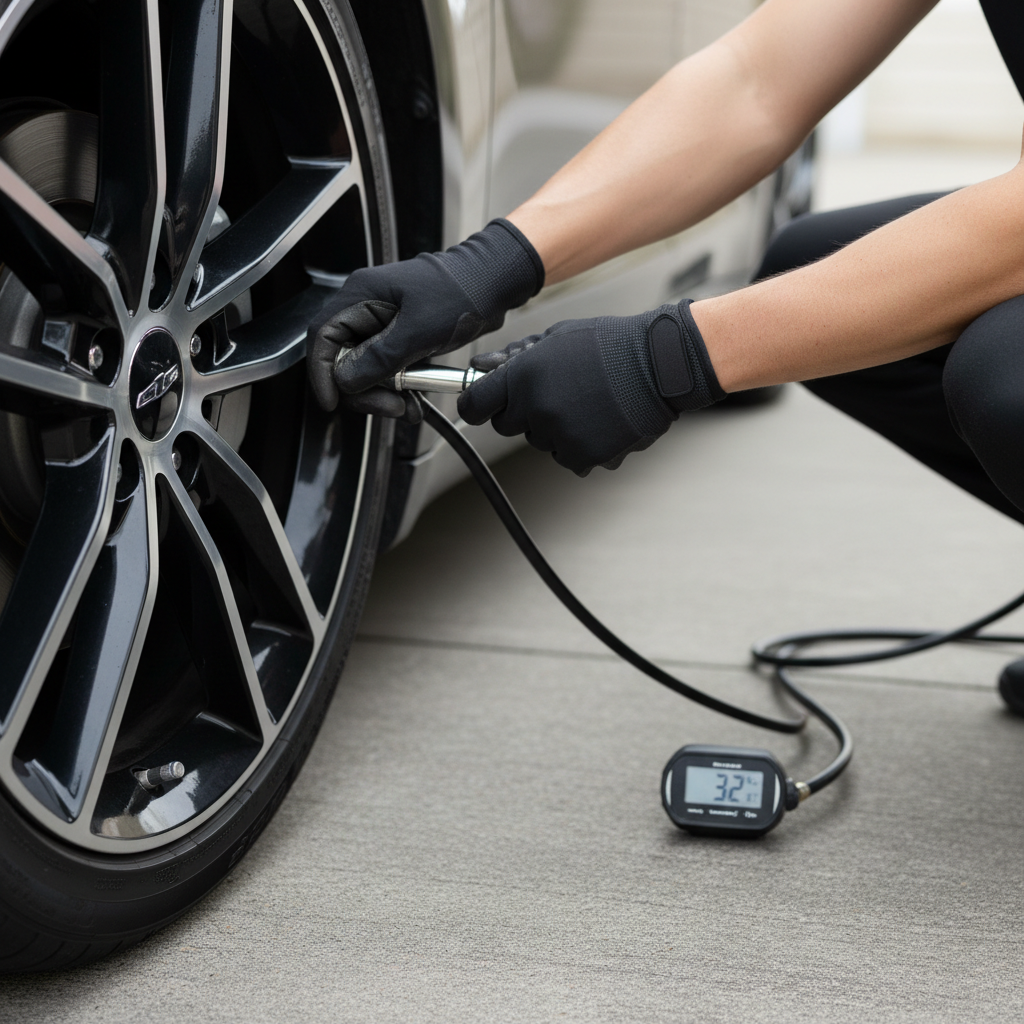
Common mistakes to avoid (these waste the most time)
These are the patterns that keep showing up, especially when people buy “premium looking” caps and assume the job is done.
- Buying aluminum caps for winter road-salt use without planning periodic removal and cleaning.
- Assuming the cap fixes a leak when the valve core is worn or there’s rim damage. A cap can help protect, but it’s not a cure-all.
- Ignoring missing caps for months, then wondering why the valve core sticks during inflation.
- Using pliers to remove a stuck cap, which can crush the stem or snap it. If the stem twists, stop.
- Overpaying for “TPMS caps” with no real difference beyond marketing; fit and seal matter more than buzzwords.
When to get professional help
If a cap is seized, forcing it can turn a small annoyance into a valve stem replacement, and on TPMS-equipped wheels that may mean extra parts and programming. In these cases, a tire shop is usually the safe move.
- The cap won’t budge with normal hand force.
- The valve stem turns with the cap, or looks cracked/dry-rotted.
- You have repeated slow leaks even after replacing caps and confirming pressure.
- Your TPMS warning persists after correcting inflation, since the issue might be a sensor, a leak, or something else.
For safety-related concerns, it’s reasonable to consult a qualified tire technician, especially if you’re not sure whether you’re dealing with a valve core, stem, wheel seal, or a puncture.
Conclusion: what to buy in 2026, and what to do next
If you want a low-risk upgrade, pick sealed plastic for simplicity or sealed brass for harsh climates, then install them hand-tight and remember to remove them occasionally during pressure checks. That’s the unglamorous routine that keeps the “tiny parts” from becoming a real problem.
If your current caps are missing or corroded, replace them this week and add a quick valve-stem check to your next tire pressure top-off. Small step, surprisingly high payoff.