
Best car door handle cover searches usually mean one thing, your handles look scratched, faded, or chipped, and you want a quick fix that doesn’t scream “cheap accessory.”
Door handle covers can work really well, but only when you pick the right material, the right fit, and the right adhesive approach for your climate. Buy the wrong set, and you end up with lifting edges, sticky residue, or a cover that blocks the keyhole or button.
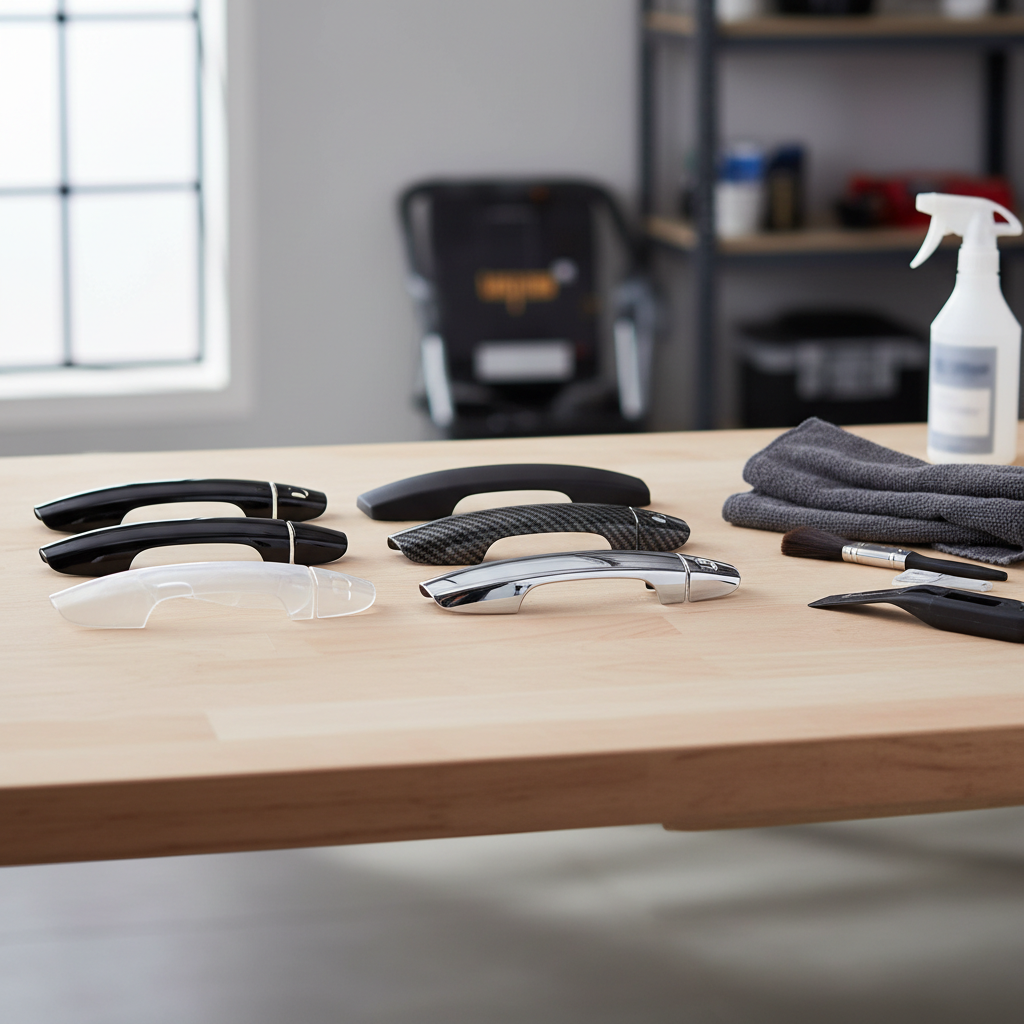
This 2026 guide is practical on purpose, how to choose by finish and use case, how to tell if a kit will fit your exact trim, what “easy install” really means, and when you should skip covers and go with paint protection film instead.
What you’re really buying: 5 common types (and who each one fits)
People lump everything into “covers,” but the category is messy. The best match depends on your goal: hide damage, prevent new scratches, upgrade the look, or protect a lease return.
- ABS plastic snap-on covers: Most common. Good for cosmetic refresh and light protection. Fit accuracy varies a lot by model year and trim.
- Adhesive overlay covers (ABS or acrylic): Thin pieces with pre-applied tape. Easier to fit around sensors, but tape quality matters.
- Stainless steel covers: Durable and easy to clean, but can look too “chrome” on modern black-trim cars, and may show fingerprints.
- Carbon fiber look (hydro-dip or vinyl-wrapped): Pure style play. Some kits fade in sun or get cloudy if the topcoat is weak.
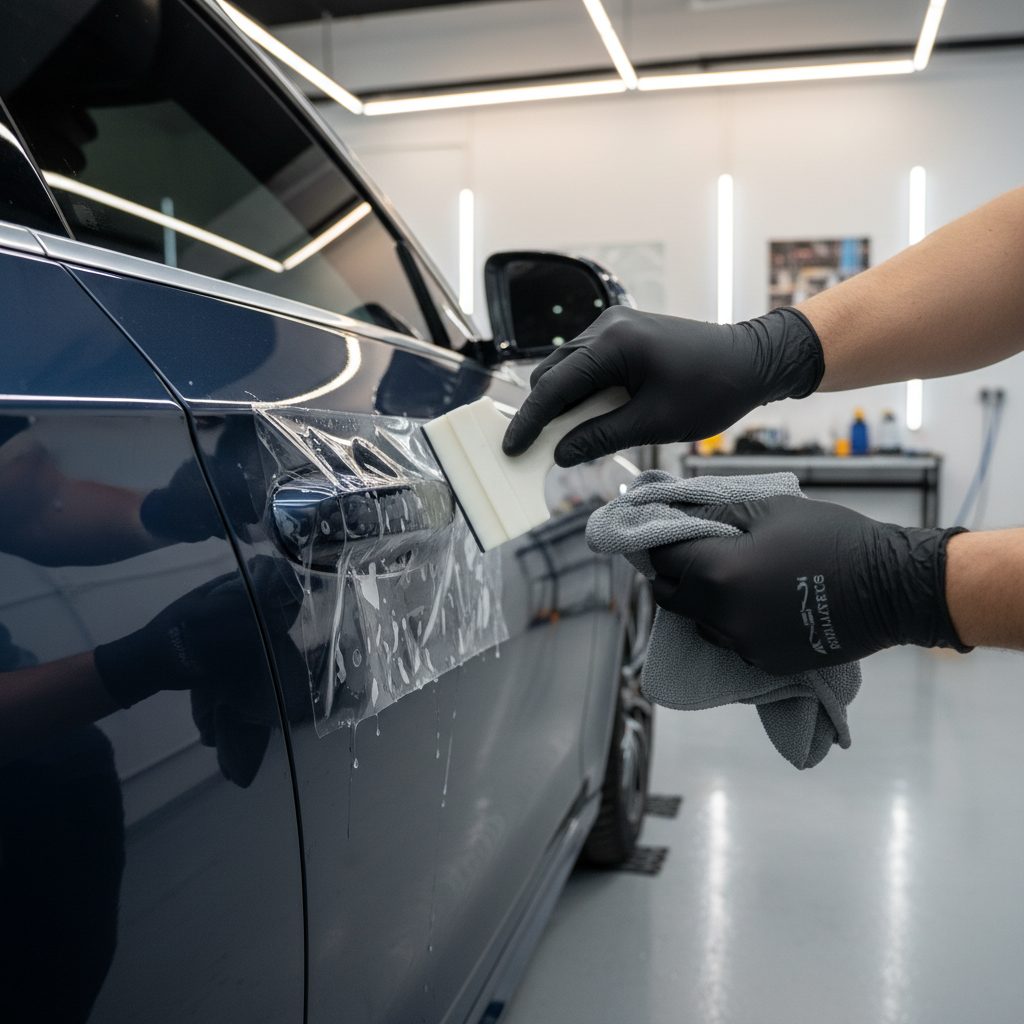
- PPF handle cup pieces (clear film): Not a “cover” in the chunky sense. Best if your handles still look good and you just want scratch prevention.
Key takeaway: If you already have chips and deep scratches, rigid covers hide more. If you mainly want to prevent nail-scratches behind the handle, film is often cleaner-looking.
How to choose the best car door handle cover for your car
Fit and finish decide whether a cover looks OEM or looks like an add-on. Before you click “buy,” slow down and match these details to your exact configuration.
1) Match your door-handle style, not just your model
Even within the same model year, trims can differ. Some handles have a key cylinder, some hide it under a cap, some have a request sensor for keyless entry, and some have a small chrome accent strip.
- Keyhole vs. no keyhole: Many kits only fit one version.
- Smart key sensor: You need a cutout that doesn’t interfere with touch-to-unlock.
- Handle button: Some SUVs and trucks use a button, overlays must align cleanly.
- Rear handles: 2-door vs. 4-door sets often get mixed in listings.
2) Pick a finish that matches your trim theme
Gloss black can look great on newer cars with black window trim, but it also highlights swirl marks. Matte hides fingerprints better but can look slightly gray next to piano black pieces. Chrome works on older chrome-heavy styling, but on many 2026 designs it can feel out of place.
3) Don’t ignore climate and parking situation
Heat cycles and UV are what kill cheaper adhesive. If you park outside in Arizona heat or deal with Northeast freeze-thaw, prioritize better tape and materials.
According to NHTSA, vehicle recalls and safety issues can involve door latches and handles on some models, so if your “problem” is a handle that sticks, fails to open, or feels unsafe, it’s smarter to address the mechanism first rather than covering it up.
A quick comparison table (what most buyers care about)
Use this as a shortcut, then narrow down with fitment checks and reviews that show your exact trim.
| Type | Best for | Look | Durability | Common downside |
|---|---|---|---|---|
| ABS snap-on | Covering existing wear | Bold / noticeable | Medium-High | Fit can be slightly bulky |
| ABS overlay (taped) | Clean install, less bulk | Closer to OEM | Medium | Tape lift in heat if prep is sloppy |
| Stainless steel | Scratch resistance | Bright / chrome | High | Style mismatch, fingerprints |
| Carbon fiber look | Sporty styling | Stylized | Low-Medium | UV fading, clearcoat haze |
| PPF handle cup film | Preventing nail scratches | Nearly invisible | Medium-High | Doesn’t hide existing damage |
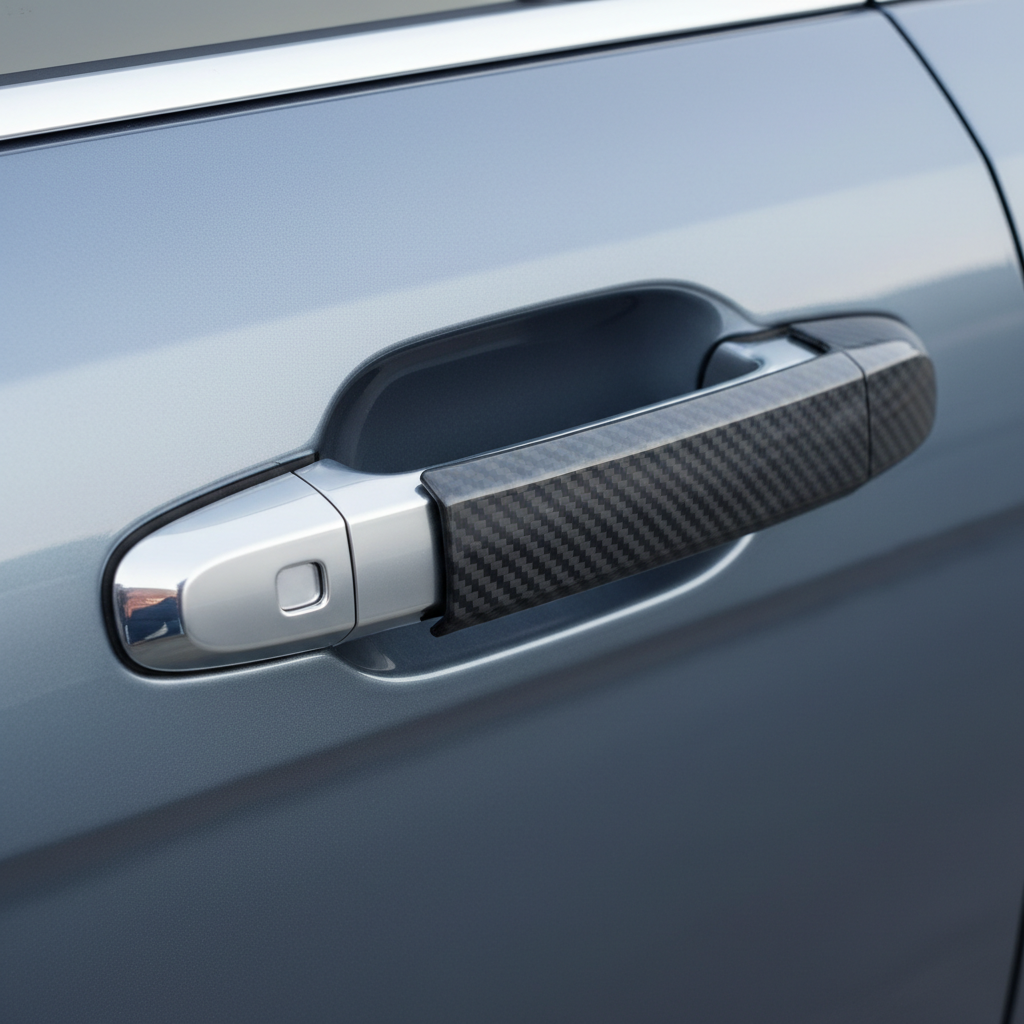
Fitment and quality checklist (use this before you buy)
If you only do one thing, do this. Most complaints come from people buying the right “model name” but the wrong handle variation.
- Confirm year range and trim: Look for listings that specify trim lines, not just “fits Camry.”
- Count doors: 2-door, 4-door, sliding door, liftgate handle, it matters.
- Check for key cylinder: Driver door often differs from other doors.
- Check for sensors/buttons: Keyless entry touch points need accurate windows.
- Read photo reviews for your color: Gloss black can look perfect on white paint and odd on dark gray, and vice versa.
- Look for tape brand mentions: Many better kits specify automotive-grade tape like 3M, but still verify prep and conditions.
- Return policy: A “best car door handle cover” for you is the one you can swap if the fit is off.
Small reality check: Universal covers tend to disappoint. Vehicle-specific kits cost more, but they usually look more intentional.
Installation that actually holds up (step-by-step)
The install is where “good product” turns into “good result.” Most overlay covers fail because of rushed cleaning, cold weather installs, or misalignment that forces you to peel and re-stick.
What you’ll need
- Isopropyl alcohol (typically 70%+ works for degreasing)
- Clean microfiber towels
- Masking tape for alignment marks
- Optional: heat gun or hair dryer (gentle heat, not blasting)
Steps (works for most tape-backed kits)
- Wash and dry the handle area, then wipe with alcohol to remove wax and oils.
- Test fit first without peeling the tape backing, check sensor cutouts and keyhole clearance.
- Mark alignment with small masking tape tabs so you land it correctly on the first try.
- Warm the surface if it’s chilly, adhesive bonds better on a mildly warm panel.
- Peel and apply gradually, pressing from one end to the other so you don’t trap gaps.
- Apply firm pressure around edges for 30–60 seconds, focus on corners where lifting starts.
- Avoid washing for about 24 hours when possible, especially in rain-prone weeks.
For snap-on covers, the prep still matters, grit under plastic can rub and leave marks. Dry fit, then commit once you’re sure the clips line up.
Common mistakes (and how to avoid the “peeling corner” problem)
This is the part nobody wants to admit, many “bad product” reviews are really “bad conditions.”
- Installing over wax or ceramic topper: Adhesive hates slick layers, strip it with alcohol, sometimes you may need a dedicated panel wipe.
- Installing in cold weather: Tape can feel stuck, then fails a day later. Warm the area and the cover, then press longer.
- Touching the adhesive: Finger oils reduce bond, handle by the edges.
- Repositioning repeatedly: Tape loses strength each time you lift it, get alignment right with dry fitting.
- Covering a failing handle: If the handle feels loose or sticks, a cover hides symptoms while the mechanism gets worse.
According to AAA, basic vehicle maintenance and addressing mechanical issues early can reduce the chance of roadside trouble, so treat cosmetic upgrades as separate from functional repairs when a door won’t open cleanly.
Which option is “best” in 2026? Recommendations by scenario
There isn’t one universal winner, but you can get to the right pick fast if you’re honest about what you want the cover to do.
If your handles already look rough
Choose a vehicle-specific ABS snap-on or a thicker overlay set, and prioritize a finish that matches your trim. If scratches are deep, thin film won’t hide them.
If you just want prevention (new car, lease, or resale focus)
Go with PPF handle cup film or a very thin overlay. The result looks closer to stock, and you avoid bulky edges.
If you use keyless entry every day
Look for covers that explicitly support your sensor layout. If reviews mention intermittent unlocking after install, skip that kit, even if the styling is perfect.
If you live in extreme heat or park outdoors
A “best car door handle cover” for hot climates usually means better tape and UV-stable material, matte finishes can hide sun wear better than glossy ones over time.
Conclusion: how to buy with fewer regrets
The covers that feel “worth it” tend to share the same traits: correct cutouts for your exact handle, a finish that matches your trim theme, and an install done on a clean, warm surface so the adhesive cures properly.
If you’re shopping today, pick one action that saves the most hassle: verify your handle type with photos before ordering, then plan a calm install instead of sticking it on in a parking lot. That alone prevents most peeling and misfit headaches.
If you want, paste your car’s year, make, model, trim, and whether the driver handle has a keyhole, and I can help you narrow the choices to the most likely fit.