
The best car headlight bulb halogen for your vehicle is usually the one that matches your exact bulb size, produces a clean beam pattern, and stays reliable through heat and vibration, not the one with the loudest “super bright” claim.
If you drive a lot at night, commute in rain, or deal with dark rural roads, halogen upgrades can still make sense in 2026. They’re widely compatible, typically street-legal when used correctly, and they don’t introduce the same fitment or glare headaches some LED retrofits can cause in reflector housings.
This guide narrows the field without pretending there’s one bulb that wins for everyone. You’ll get a quick comparison table, a simple self-check to avoid buying the wrong type, and practical aiming and lens tips that often matter as much as the bulb itself.
Quick picks: best halogen headlight bulbs to consider in 2026
Here’s a practical shortlist, organized by what people usually want: more reach, better wet-weather contrast, or long life. Availability changes by bulb size, so treat these as “families” to look for in your H11/9005/9006/9007/H13, etc.
| Best for | Product line to look for | What it feels like on the road | Trade-offs |
|---|---|---|---|
| Balanced upgrade | Sylvania XtraVision / Philips VisionPlus | Noticeably brighter vs basic OE without extreme tint | Life can be shorter than long-life bulbs |
| Max light output | Philips RacingVision GT200 / Sylvania SilverStar Ultra | More down-road reach, whiter appearance | Often shorter lifespan, higher heat load |
| Longevity | Philips LongLife / Sylvania Basic Long Life (where offered) | Steady, predictable light, fewer replacements | Less “wow” brightness |
| All-weather contrast | Select yellow-tinted “fog” halogens (for fog lamps) | Less perceived glare in rain/fog, better contrast | Not a high-beam replacement, verify legality by state |
- Key point: If your headlight lens is hazy or your aim is off, even the best bulb can look bad.
- Key point: The same product line can behave differently across sizes (H11 vs 9005), so read the packaging for your exact fit.
What makes a halogen bulb “best” (and what marketing skips)
Halogen is mature tech, so improvements tend to be incremental, and the compromises are real. Most “brighter” halogens get that output by running the filament hotter or optimizing filament geometry, which can reduce lifespan.
Beam pattern beats raw brightness
A clean cutoff and good foreground-to-distance balance usually matters more than sheer lumen claims. A bulb that sits correctly in the socket helps your reflector or projector do its job, while a poorly built bulb can scatter light and create glare.
Color temperature: whiter isn’t always better
Many people chase a whiter look, but very white halogen coatings can reduce usable light. For real visibility, a slightly warm white can feel “brighter” on dark roads because more light actually reaches the pavement.
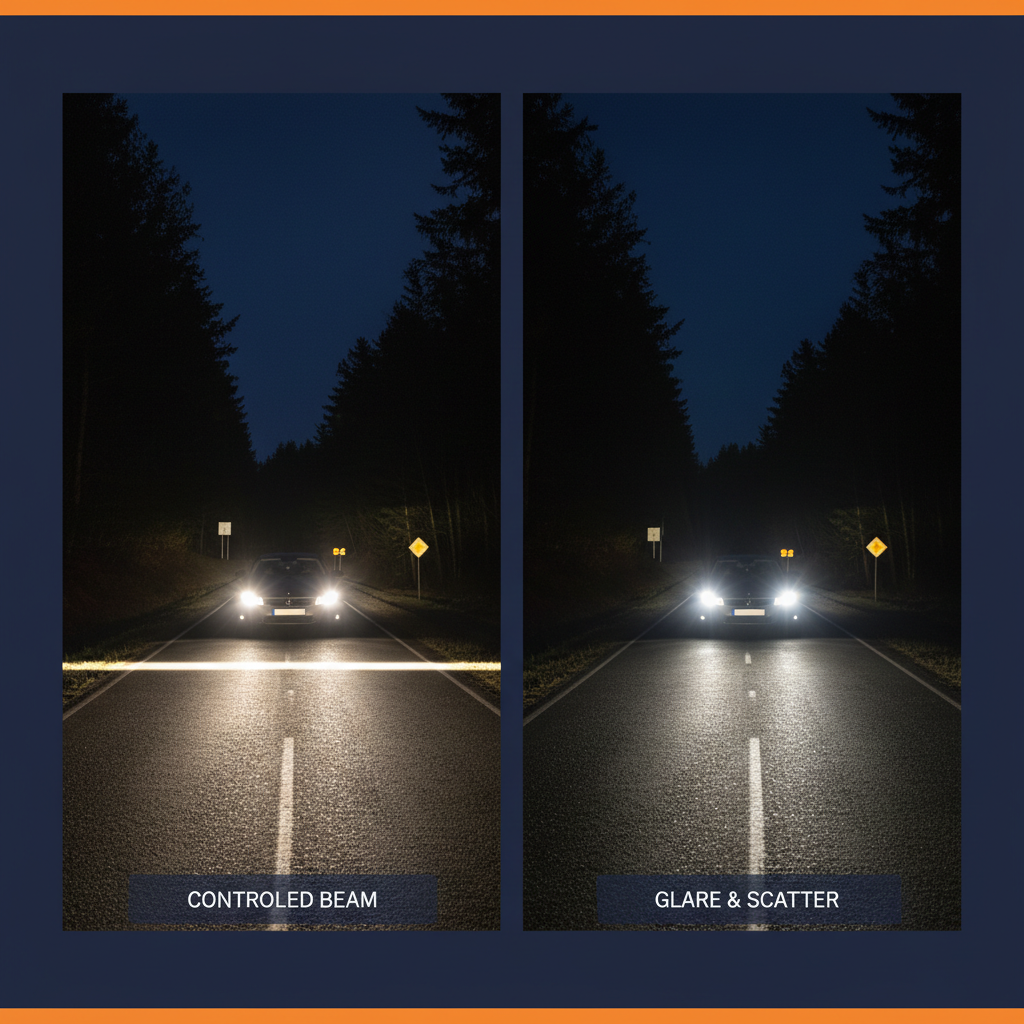
Heat and wiring matter more than most drivers expect
High-output halogens can stress aging headlight connectors. If you see browned sockets, brittle wiring, or intermittent flicker, address that before blaming the bulb.
Self-check: how to choose the right bulb in 5 minutes
Before you shop, do this quick triage. It prevents the most common “I bought the wrong thing” loop.
- Confirm bulb size: Check your owner’s manual, the bulb base stamping, or a trusted parts lookup. Don’t guess.
- Check housing type: Reflector housings are more glare-sensitive than projectors when you chase “extra white.”
- Inspect the lens: Cloudy plastic can eat a lot of light. If it’s hazy, a restoration kit may help more than a bulb swap.
- Look for voltage drop signs: Dim lights at idle, big change with RPM, or uneven left/right brightness can hint at wiring or ground issues.
- Match your priority: If you hate replacing bulbs, pick longevity. If you drive unlit highways, prioritize reach.
If you want the best car headlight bulb halogen for your situation, the “best” usually equals the cleanest beam you can get with a reasonable replacement interval, not maximum spec-sheet intensity.
Real-world recommendations by driving scenario
Instead of treating every car the same, pick a direction that fits your driving and tolerance for maintenance.
Mostly city driving + street lighting
- Pick a balanced upgrade line (not the most aggressive).
- Focus on even spread and quick on/off reliability.
- If glare complaints happen, step back from extra-white bulbs.
Rural highways + high-speed night driving
- Consider a max-output line for low beams, paired bulbs left/right.
- Verify your high beams are healthy too, many “dim headlight” complaints are actually weak high beams.
- Plan for more frequent replacement, that’s the usual trade.
Rain, snow, and frequent fog
- Keep low beams slightly warmer for contrast, and reserve selective yellow for fog lamps if your vehicle has them.
- Make sure the headlight lens is clear, wet roads amplify scatter.
Ride-share, fleet, or “I never want to touch this again”
- Go long-life halogen and fix any charging/ground issues that shorten life.
- Replace in pairs so color and output match.
Installation and aiming: small steps that change everything
Installing halogens is usually straightforward, but the details decide whether the upgrade feels legit or disappointing.
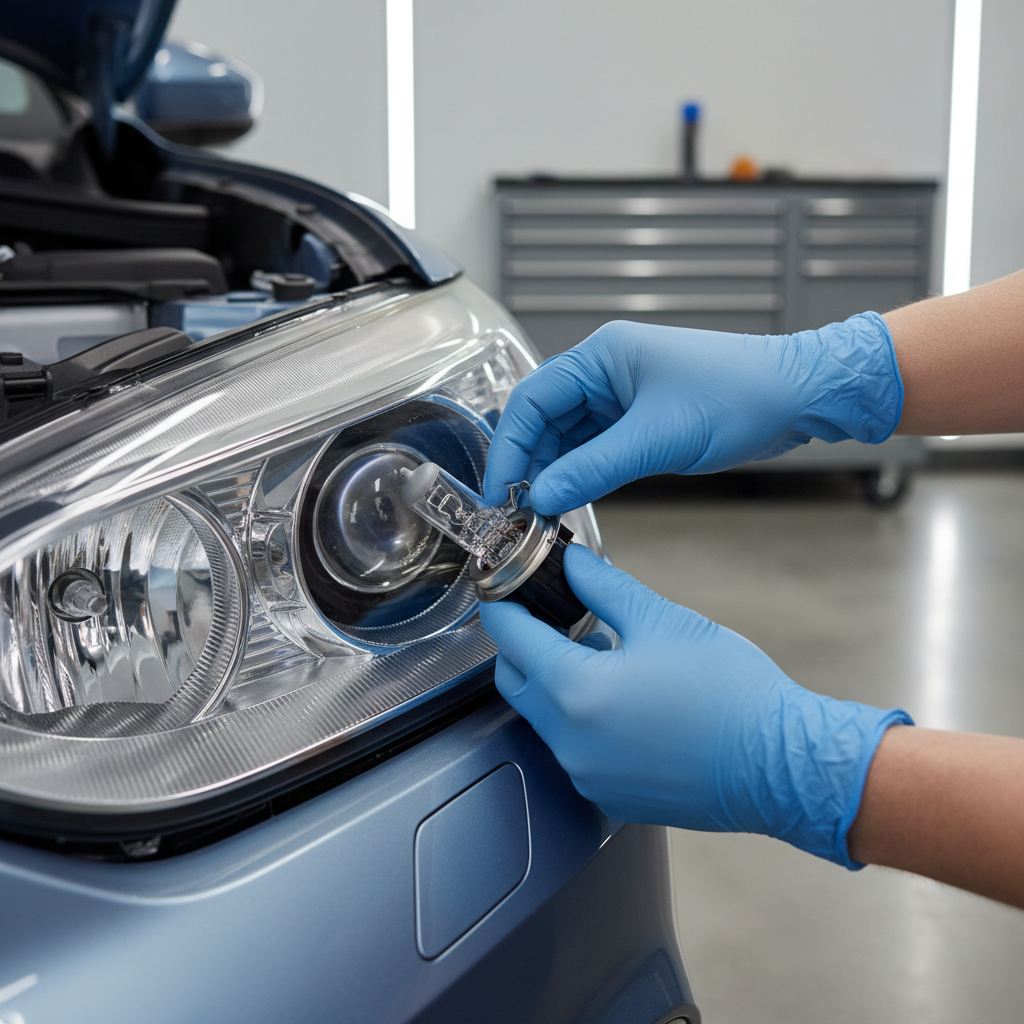
- Don’t touch the glass: Skin oils can create hot spots and shorten bulb life. Use gloves or a clean paper towel.
- Seat the bulb fully: A bulb that’s slightly rotated can wreck the beam pattern.
- Replace both sides: One new bulb next to an old bulb often looks “worse” because the old side is dim and yellow.
Aiming matters because a brighter bulb with poor aim just becomes glare. According to NHTSA, properly functioning and properly aimed lighting is a core part of nighttime driving safety, and misalignment can reduce seeing distance while increasing discomfort for other drivers.
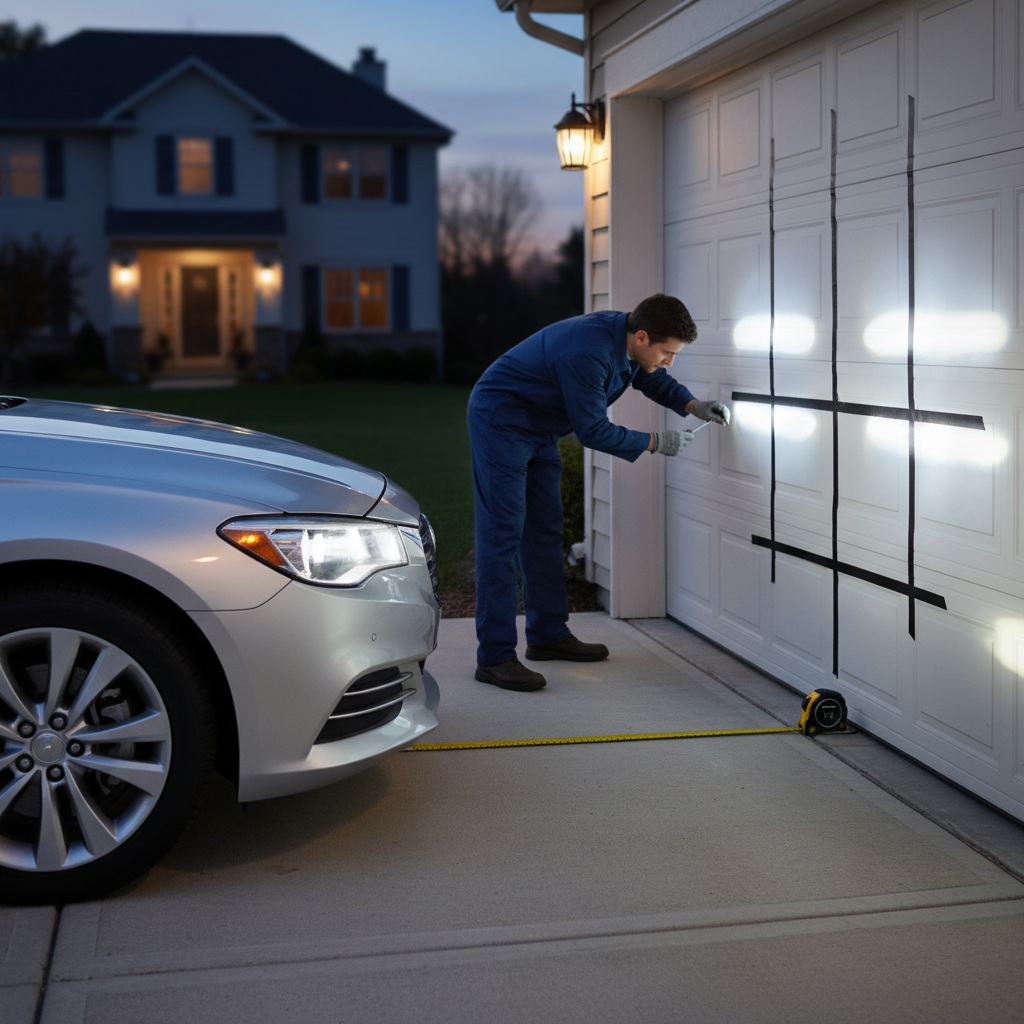
If you changed ride height, installed heavy cargo, or swapped housings, a quick re-aim is worth the 15 minutes. Many vehicles have accessible adjusters, others may require a shop.
Mistakes to avoid (they waste money fast)
- Overpaying for “blue” coated bulbs: Heavy tint can cut usable light even if the color looks modern.
- Ignoring lens oxidation: If the lens looks frosted, you can install the best halogen and still feel underwhelmed.
- Mixing brands/lines left vs right: The road view can look uneven and distracting.
- Upgrading wattage without verifying wiring: Higher watt bulbs may be unsafe or illegal in many situations, and can damage housings.
- Confusing headlight and fog bulb roles: Fog lamps are about low, wide fill, not long distance.
When to get professional help (or at least a second opinion)
If you install a new set and visibility still feels poor, the issue may not be the bulb. Consider a shop inspection if you notice burning smell near the connector, repeated early failures, moisture inside the housing, or wildly uneven beam shape.
Electrical problems, headlight housing damage, and aiming on some modern vehicles can be fiddly. In those cases, paying for diagnosis can beat randomly cycling through “brighter” options.
Conclusion: the smart way to buy halogen in 2026
The best car headlight bulb halogen choice in 2026 still comes down to fit, beam quality, and honest trade-offs between brightness and lifespan. If you want one simple move that usually works, pick a reputable balanced-upgrade line in your exact size, restore hazy lenses if needed, then verify aim.
- Do today: confirm bulb size and housing condition before ordering.
- Do after install: check aim against a wall and take a quick night drive on a familiar road.