
Best car jack low profile searches usually come from one frustrating moment: you slide your jack under the front bumper, and it just won’t fit, even though the job itself should be simple.
Low-clearance cars, lowered suspensions, and sporty factory bodywork make “normal” jacks feel useless, and that’s when people start improvising with sketchy ramps, random blocks, or half-lifts that don’t feel stable.
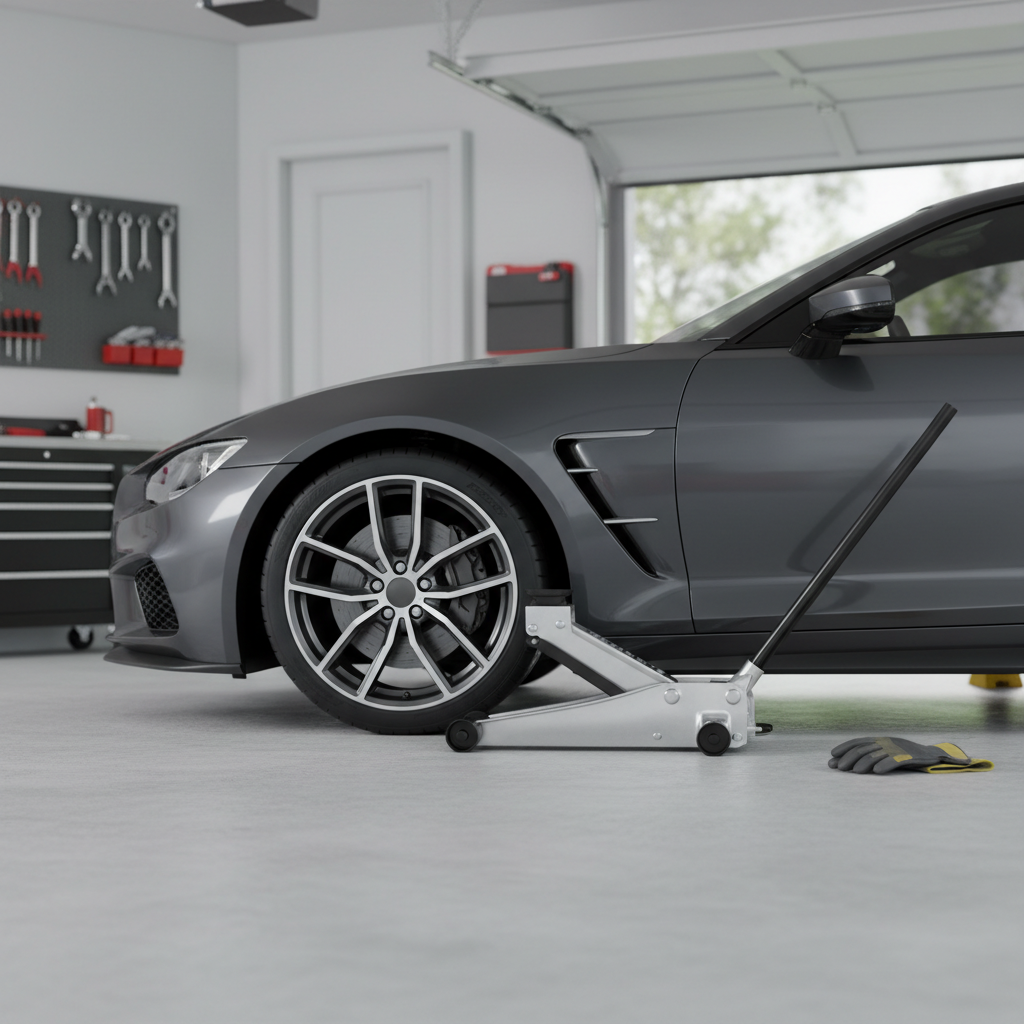
This guide stays practical: what specs matter, which jack style fits which driveway and vehicle, how to avoid common buying mistakes, and how to lift safely without guessing.
Key points before you buy (what actually matters)
If you only look at weight rating, you can still end up with a jack that doesn’t fit, doesn’t lift high enough, or feels unstable on your surface.
- Minimum height: The most important spec for low cars. Measure your lowest safe jack point clearance, then leave a little margin.
- Maximum lift height: Needed to get wheels off the ground and allow jack stands to fit. Low profile sometimes sacrifices top-end height.
- Realistic capacity: 2-ton works for many cars, but many buyers choose 3-ton for extra headroom, especially if the jack itself has a wider stance.
- Pad and saddle design: A wider saddle with a rubber pad helps reduce slipping and protects pinch welds, but fit varies by vehicle.
- Wheels and chassis width: Big rear casters roll better on rough concrete, but can fight you on sloped asphalt.
- Speed vs control: Dual-piston “quick lift” saves pumps, but controlled lowering matters just as much.
Low profile jack types: which one fits your situation
“Low profile” gets used loosely, so it helps to anchor the decision to where you lift and what you drive.
Low profile hydraulic floor jack (most common pick)
Best for garages and flat driveways, and usually the easiest route to a true low minimum height. A longer frame can reach farther under low bumpers, but it takes more storage space.
Aluminum racing-style low profile jack
Lighter to carry, often smooth to pump, and popular for track-day setups. The tradeoff tends to be price, and some lightweight designs feel less planted on rough pavement.
Compact “low entry” jack
Good if you have limited space or only need occasional wheel-off work, but check maximum lift height carefully, some compact models top out earlier than you expect.
Bottle jack (usually not low profile)
Most bottle jacks start too tall for low-clearance cars unless you can drive onto ramps first. Useful for trucks, not usually a first choice here.
Quick comparison table: what to match to your car and driveway
Use this as a shortcut, then confirm the actual minimum height and lift range in the model’s spec sheet.
| Scenario | What to prioritize | Usually a good fit | Watch out for |
|---|---|---|---|
| Lowered sedan/coupe | Very low minimum height, long reach | Long-frame low profile floor jack | May need more storage space |
| Stock-height daily driver | Stability, easy rolling, decent lift height | 2–3 ton low profile floor jack | Cheap casters on rough concrete |
| Small garage, limited room | Compact footprint, still low enough | Compact low-entry jack | Lower max height can limit jack stand placement |
| Track days or frequent transport | Weight, quick lift, carry handle | Aluminum low profile jack | Lightweight frames can feel twitchy on uneven asphalt |
How to tell if you truly need a low profile jack
A lot of people buy “low profile” when what they really need is better access or a safer approach angle.
- You can’t slide a standard floor jack under the front jack point without scraping.
- Your pinch welds sit very low, or the side skirt blocks a normal saddle approach.
- You rely on ramps just to fit the jack, and that routine feels awkward or inconsistent.
- You need a long reach to get under an aero tray or front lip.
- You can lift, but can’t fit jack stands because your jack doesn’t raise high enough after it finally fits.
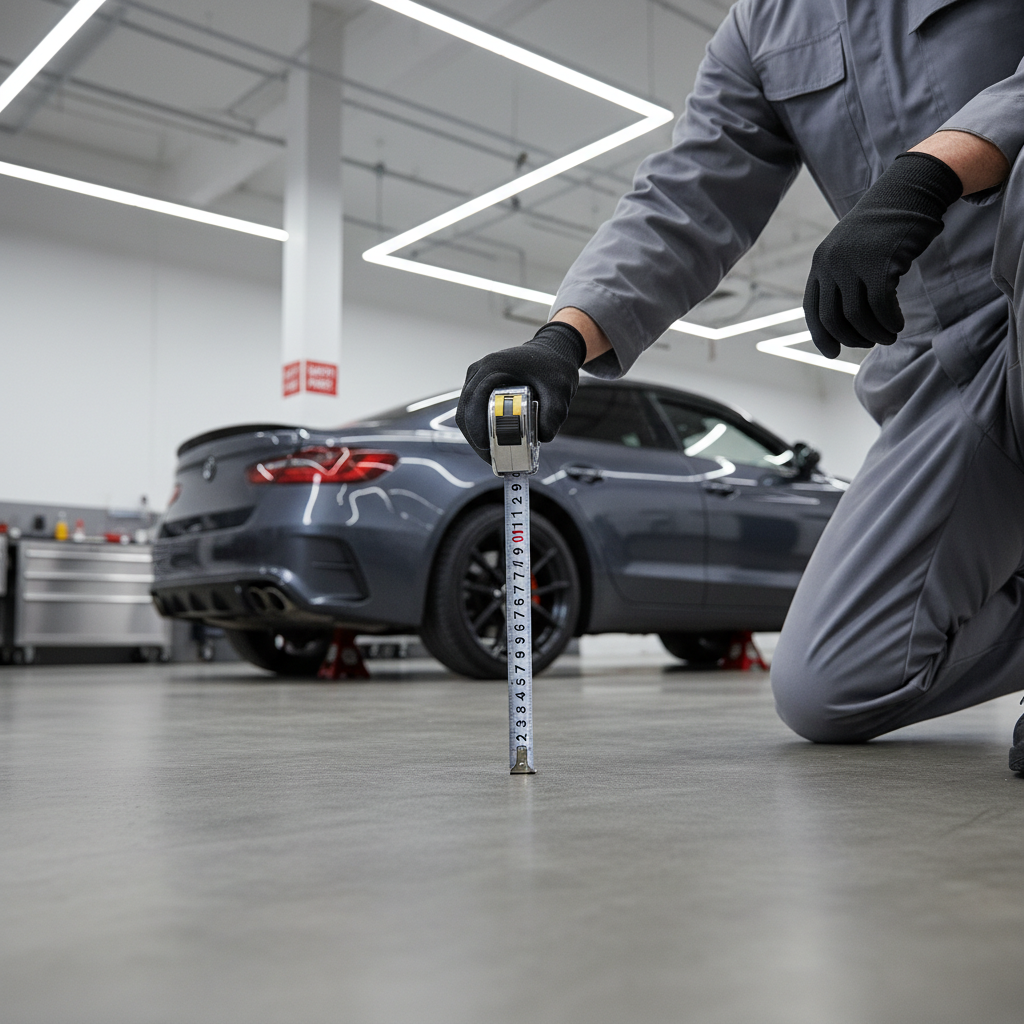
If you’re unsure, measure clearance at the safest manufacturer-approved lift points. Many owners skip that step, then wonder why the jack “should fit” but doesn’t.
Picking the right specs (without overbuying)
For most shoppers, the smartest “best car jack low profile” choice is the one that matches both ends of the lift range: low enough to enter, high enough to work.
1) Minimum height: treat it like a hard requirement
If your clearance is tight, even a half-inch difference changes everything. Look for published minimum height in the specs, and be wary of vague listings that only say “low profile” with no number.
2) Lift height: plan for jack stands, not just wheel-off
Think about how you actually work. If you use stands, your jack must lift high enough to place stands under proper support points. A jack that barely gets the tire off the ground can still be a bad fit.
3) Capacity: choose stability over bragging rights
A higher ton rating does not automatically mean safer use, but a sturdier chassis and wider stance often come with 3-ton designs. For typical passenger cars, 2–3 tons is common, but your vehicle weight and lift points matter.
4) Saddle and adapters: protect pinch welds
Pinch weld blocks and slotted rubber pads can help, but only when they fit your seam thickness and jack point geometry. If you’re not certain, check your owner’s manual or ask a shop which lift points they use on your model.
Safe lifting workflow (a practical routine)
Most jack problems aren’t “the jack failed,” they’re setup problems: wrong surface, wrong point, or skipping stands.
- Park on the flattest surface you have, and avoid soft asphalt on hot days when possible.
- Chock the wheels that stay on the ground, even for quick jobs.
- Use manufacturer lift points. According to NHTSA, safe vehicle maintenance includes proper support and avoiding unstable lifting practices.
- Lift slowly and watch contact, stop if the saddle walks or the car shifts.
- Set jack stands before working under or around suspension and brake components.
- Lower with control, a smooth release matters more than speed.
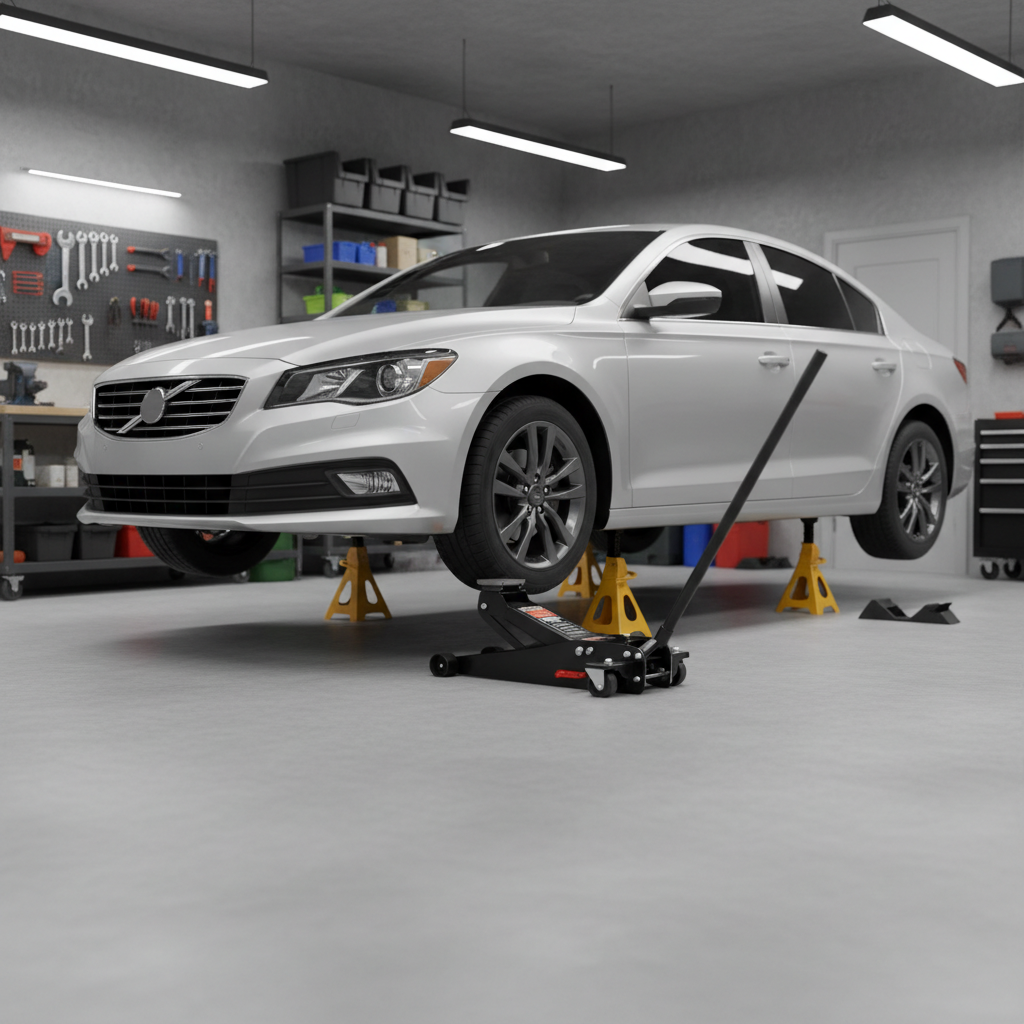
If anything feels unstable, pause and reset. The “close enough” lift is the one that tends to waste time, or worse, create risk.
Common mistakes when buying a low profile car jack
- Only shopping by ton rating, then discovering the minimum height is too tall for your front end.
- Ignoring the surface you roll on. Small hard casters can dig into rough concrete and make positioning miserable.
- Assuming quick-lift equals quality. Fast pumping is nice, but stability, seals, and controlled lowering matter more long-term.
- Forgetting storage and carry. Long-frame jacks can be excellent under low cars, but annoying in tight garages.
- Using the jack as the only support. A jack is a lifting tool, not a support system.
When to get professional help (or at least a second opinion)
If you’re lifting a vehicle with unusual lift points, extensive underbody panels, a heavily modified suspension, or visible rust at pinch weld areas, getting guidance from a qualified mechanic is usually a good call. The same goes for situations where the car must be lifted high for extended work; a shop can recommend safer support equipment for your exact setup.
Conclusion: choosing the best low profile jack for 2026
The best pick tends to be simple: buy for minimum height + enough lift for stands, then make sure the jack rolls well on your real surface. If you do that, most of the “this jack doesn’t work for my car” frustration disappears.
If you’re shopping today, measure your clearance, confirm published specs, and don’t treat safety accessories as optional. A few minutes of setup beats fighting the wrong tool every time.