
how to fix windshield washer pump not working usually comes down to a short list: empty or frozen fluid, a clogged nozzle or hose, a blown fuse, a bad pump motor, or a wiring/ground problem.
If you’re getting no spray at all, don’t jump straight to replacing parts, most washer issues are cheaper and faster to confirm with a few targeted checks. The trick is to figure out whether the problem is “no fluid flow” or “no pump power,” because those lead to different fixes.
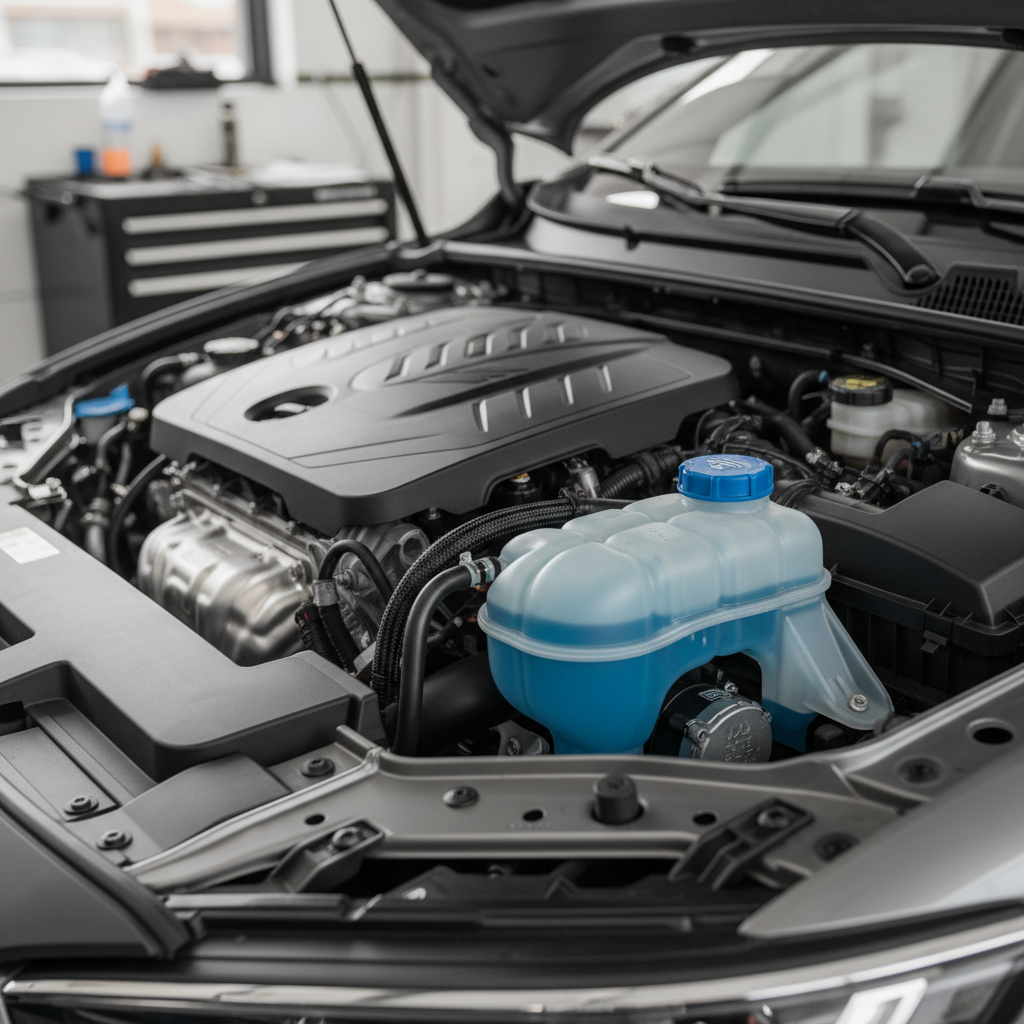
One more thing, washer systems vary by vehicle. Some cars use a single pump with a diverter valve, others use two pumps, and some route fluid through heated lines. The steps below still apply, you’ll just adapt them to your layout.
Quick symptoms: what your washer pump problem “sounds like”
Before tools come out, listen and watch. These clues save time.
- You hear the pump whir, but no spray: usually clogged nozzles, kinked hose, disconnected line, blocked filter screen, or frozen fluid.
- No sound from the pump: often fuse, relay, switch, wiring, ground, or the pump motor itself.
- Weak spray or one nozzle works: partial clog, cracked hose, check valve stuck, nozzle misalignment, or low voltage.
- Sprays inside wheel well or under hood: hose popped off or split, common after freezing.
According to NHTSA, keeping windshields clear is a core safety expectation for road use, so it’s worth treating washer failures as more than a minor annoyance, especially before highway or winter driving.
Start with the easy stuff: fluid, freezing, and obvious clogs
Many “pump not working” reports are really “fluid not moving.” Start here because it costs almost nothing.
Check washer fluid level and condition
- Confirm the reservoir has enough fluid, not just a damp bottom.
- Look for slushy fluid or ice. In freezing temps, summer mix can gel and block the pickup.
- If you suspect freezing, warm the vehicle in a garage or use gentle heat near the reservoir, avoid open flame.
If you refill, use a season-appropriate fluid. In many U.S. climates, a winter-rated washer fluid prevents repeat problems.
Clear the nozzles and verify hose routing
- Wipe the nozzle tips and poke the jet gently with a plastic bristle or a fine pin, don’t enlarge the hole.
- Inspect the hose along the hood hinge area, kinks and pinches show up here.
- Look for wet spots under the hood after you try the washer, that often reveals a split line.
Practical check: if the pump makes noise and you see fluid returning to the reservoir or bubbling, the pickup screen may be blocked or the hose may be off.
Power checks: fuse, relay, and the “no sound” situation
If there’s no pump sound, treat it like an electrical diagnosis. This is where people waste money by swapping pumps too early.
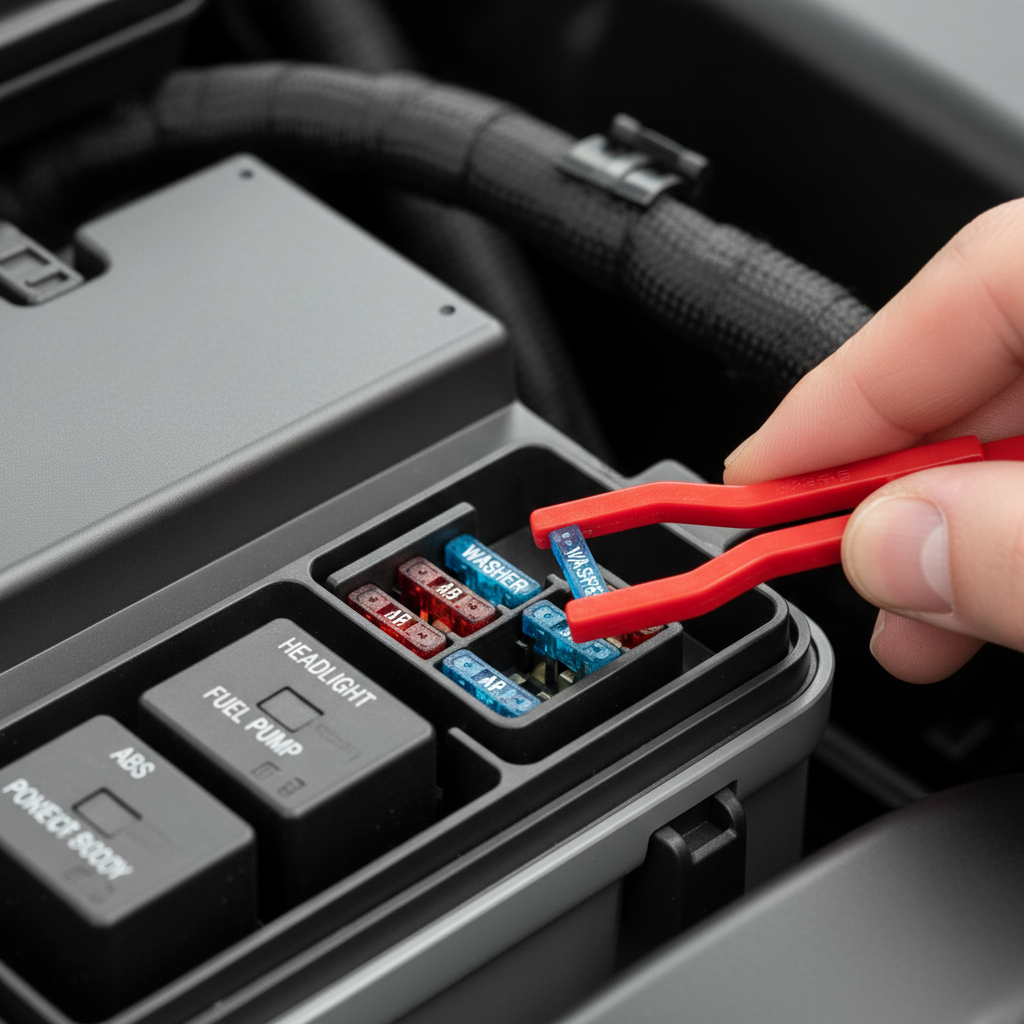
Check the washer fuse first
- Find the fuse diagram in your owner’s manual or the fuse box cover.
- Pull the washer-related fuse and inspect the metal link.
- If blown, replace with the same amperage rating.
If the new fuse blows immediately, stop there. A shorted pump or damaged harness is possible, and you’ll want a careful inspection.
Relay and switch considerations
Not every vehicle has a dedicated washer relay, but if yours does, swapping with an identical relay (like horn relay) can be a quick test. If the washer works after the swap, you’ve found a likely culprit.
Steering column switches fail occasionally, but they’re not the first thing to blame. It’s smarter to confirm power at the pump connector before chasing switch issues.
Test the pump: confirm voltage, ground, and motor health
This is the cleanest way to confirm how to fix windshield washer pump not working without guessing. A basic multimeter or a 12V test light helps.
What you’re looking for at the pump connector
- Power present when you press the washer: wiring and control likely OK, pump likely bad or mechanically jammed.
- No power: upstream issue such as fuse, relay, switch, broken wire, or BCM-related control on some models.
- Power present but weak (low voltage): corrosion, poor ground, high resistance in wiring.
Tip that matters in real driveways: have a helper press the washer while you probe, many pumps only get power while the stalk is held.
Quick decision table
| What you observe | Most likely cause | What to do next |
|---|---|---|
| Pump makes noise, no spray | Clogged nozzle/hose, frozen fluid, disconnected line | Clean nozzles, inspect hoses, thaw and flush system |
| No pump sound, fuse blown | Shorted pump or wiring | Replace fuse once, inspect wiring, test pump current draw |
| 12V at pump, still no operation | Failed pump motor or seized impeller | Replace pump, check grommet/filter screen |
| No voltage at pump | Switch/relay/wiring/control module issue | Trace circuit, check relay, continuity test, scan if needed |
| Works intermittently | Loose connector, corrosion, failing pump | Clean terminals, secure connector, consider pump replacement |
Fixes by scenario: what to do once you know the cause
Once you’ve narrowed it down, the repair is usually straightforward. This section is the “do this, not that” part.
If the nozzles are clogged or misaligned
- Flush with warm water (not boiling) and wipe clean.
- Use compressed air carefully from the nozzle outward when possible, to avoid pushing debris deeper.
- Adjust aim gently with a small pin or the correct nozzle tool, a tiny movement changes aim a lot.
If a hose is split, kinked, or disconnected
- Replace cracked sections with the correct diameter washer tubing.
- Route away from sharp edges and hinge pinch points.
- Add small clamps if the connection keeps slipping, especially after cold weather.
If the pump is dead (common outcome)
Washer pumps are typically press-fit into the reservoir with a rubber grommet, fluid will spill when you remove it, so plan for a catch pan. Replace the grommet if it’s hard or torn, it’s a frequent source of leaks.
- Disconnect connector, remove inlet/outlet hoses.
- Pull pump straight out, avoid cracking the reservoir neck.
- Inspect and clean the pickup screen if equipped.
- Install new pump, prime by running washer for several seconds.
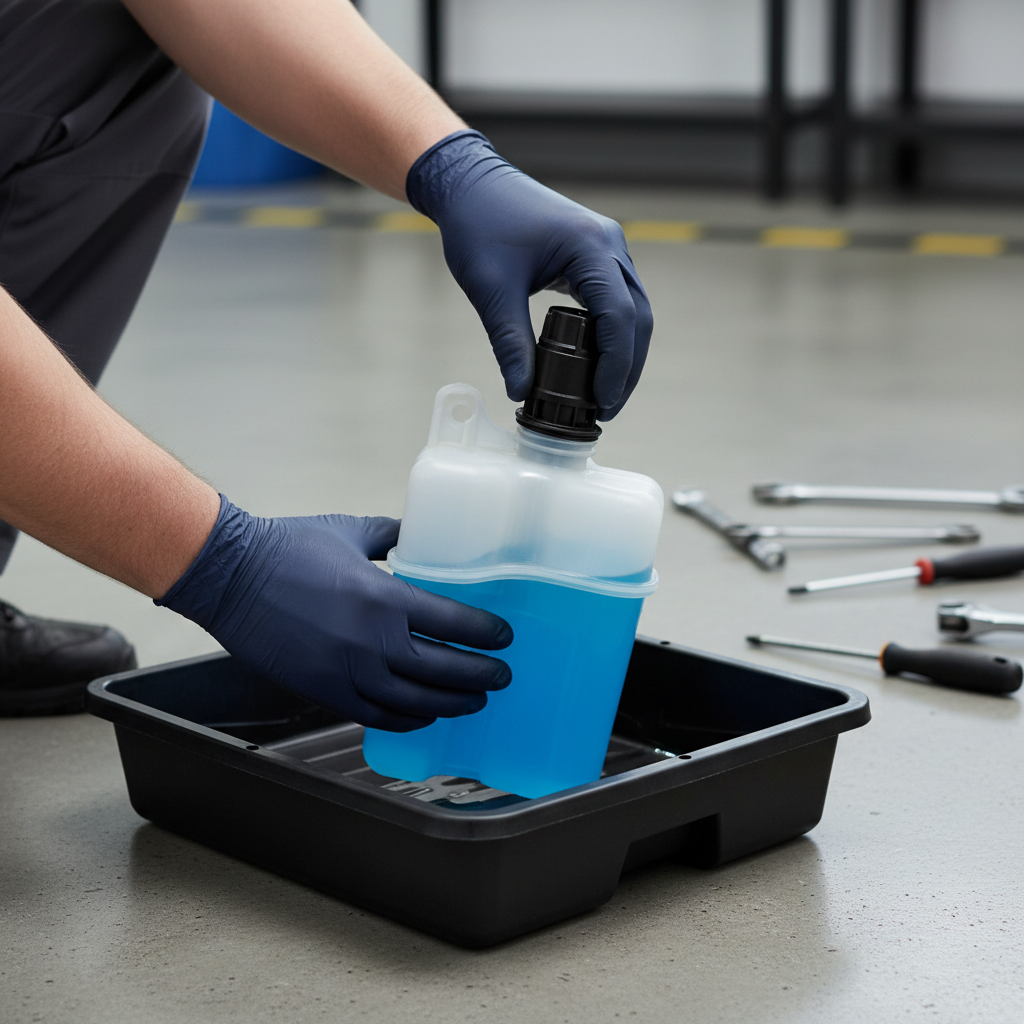
If you’re doing this outside, have extra washer fluid ready. Many pumps sit low, so the reservoir empties fast once the pump comes out.
If it’s electrical: corrosion, ground, or broken wire
- Clean green/white corrosion on terminals with electrical contact cleaner, let dry before reconnecting.
- Check the ground point for rust or looseness, poor ground can mimic pump failure.
- Repair damaged wiring with proper crimp/heat-shrink methods, twisting and taping tends to fail in wet areas.
On some newer vehicles, the washer may be controlled by a body control module. If your tests show the circuit is “fine” but the module never commands power, a scan tool and wiring diagram start to matter.
DIY self-check checklist (printable mindset)
If you want a quick path without overthinking, run this checklist in order. It’s the shortest route most of the time.
- Fluid level ok, correct mix for temperature, not slushy
- Pump sound present or absent when you activate washer
- Spray pattern none, weak, or one side only
- Leaks under hood or near wheel well when activated
- Fuse visually good or confirmed with meter
- Voltage at pump while stalk pressed
- Connector condition clean, tight, no corrosion
When people ask how to fix windshield washer pump not working, they usually skip the voltage check, then wonder why the new pump behaves exactly the same. Don’t be that person.
Common mistakes that waste time (or create new problems)
- Using water in freezing temps: it can freeze lines and crack fittings, washer fluid exists for a reason.
- Upsizing the fuse: a bigger fuse can overheat wiring and raise fire risk, match the original rating.
- Poking nozzles aggressively: enlarged or damaged nozzles create a messy spray pattern that never feels “right.”
- Ignoring a repeated blown fuse: that’s usually a short circuit problem, not “bad luck.”
- Replacing the pump without checking hoses: a popped hose will make a brand-new pump look dead.
According to SAE International, using proper diagnostic steps and correct replacement components is a core principle of safe vehicle service work, even for small systems like washers.
When it’s smarter to get professional help
If the basics point to a deeper electrical fault, a shop can be the cheaper option in the long run.
- Fuse blows instantly even with pump unplugged, wiring short is possible.
- No voltage at the pump and you suspect BCM involvement, you may need a scan tool and wiring diagrams.
- You see melted connectors, burnt smell, or heat damage, stop and have it inspected.
- The washer shares circuits with wipers or lighting and multiple symptoms appear, diagnosis gets less “DIY-friendly.”
If you’re not comfortable probing live 12V circuits, it’s reasonable to ask a technician for a quick electrical diagnosis, many shops can confirm the fault in a short visit.
Key takeaways (so you can act today)
- No spray but pump noise points to clogs, hoses, frozen fluid, or leaks.
- No sound pushes you toward fuse, relay, switch, wiring, ground, or pump motor failure.
- A voltage check at the pump is the fastest way to avoid guessing.
- Replace parts only after you know whether the issue is flow or power.
If you want a simple plan, check fluid and nozzles, then confirm the fuse, then test for power at the pump. That sequence solves most cases without turning your weekend into a wiring project.
Conclusion: In many driveways, how to fix windshield washer pump not working comes down to diagnosing the system in the right order, verify fluid and clogs, confirm power delivery, then replace the pump only when voltage is present but the motor won’t run. If your checks point to a short or control-module issue, getting professional diagnostics can be the safest next step.
If you’re about to replace anything, start by writing down what you observed: pump sound yes/no, fuse status, and whether voltage reaches the connector. Those three notes make the next decision obvious.