
how to fix hood prop rod not staying usually comes down to one of three things: the rod is bent, the retaining clip or bracket is worn, or the “catch” point has rust, grime, or damage so it can’t hold tension.
If you’ve ever had the hood slip while you’re checking oil or topping off washer fluid, you already know why this matters, it’s annoying on a good day and a safety issue on a bad one. The good news is many fixes are simple, and you can often confirm the real cause in minutes.
I’ll walk you through fast checks, the most common repair paths, what parts are worth replacing versus “making it work,” and when it’s smarter to hand it to a shop.
Why a hood prop rod stops staying up (real-world causes)
A prop rod is a basic system, but it still relies on alignment and friction. When it won’t stay, it’s usually not random.
- Worn retaining clip or grommet: Many cars use a plastic clip, rubber grommet, or spring retainer that grips the rod, these harden, crack, or loosen over time.
- Deformed rod: A slight bend can keep the rod from seating fully in the hole or notch, so it looks “in,” but doesn’t lock.
- Ovaled-out hole or damaged notch: The receiving bracket can wear, especially if the rod has been slammed into place for years.
- Rust, paint buildup, or greasy grime: Corrosion and sludge reduce bite and can keep the rod from engaging to full depth.
- Hood misalignment: After a minor front-end bump or hood hinge wear, the geometry changes and the rod sits at an odd angle.
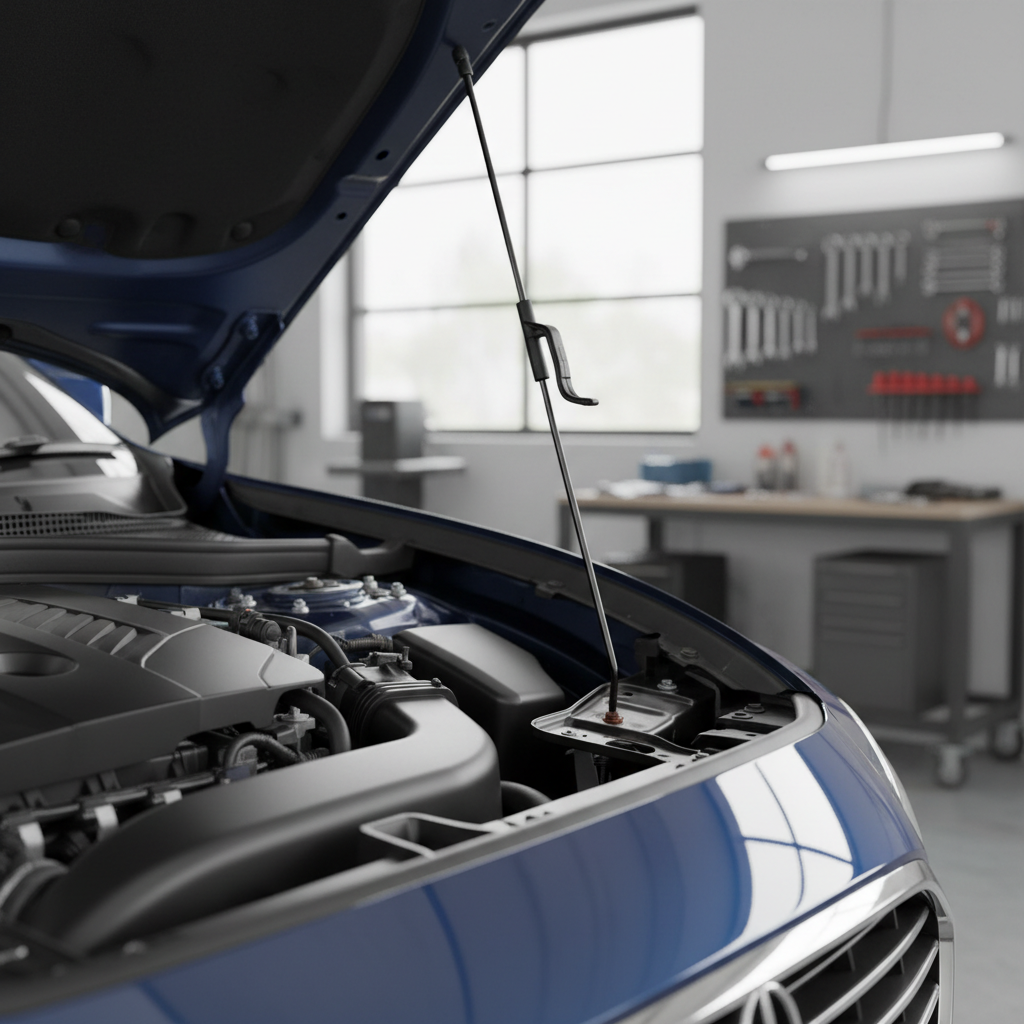
Quick safety note before you troubleshoot
If the hood has been dropping, treat it like it can fall at any moment. Use a backup support while testing, a sturdy stick, a hood support bar, or have someone hold it. Keep hands and head out of the drop zone.
According to OSHA, using the right tool for the job and controlling unexpected movement are basic injury-prevention practices, the same logic applies here when you’re working under a hood.
5-minute self-check: what’s actually failing?
Before buying parts, do these checks. They usually reveal the failure point immediately.
1) Check seating depth
Put the rod into the designated hole or notch and push until it stops. If it only goes “most of the way,” you’re chasing alignment, grime, or a bend.
2) Wiggle test the bracket
Grab the receiving bracket and try to move it by hand. If it flexes or shifts, the fasteners may be loose or the bracket metal may be fatigued.
3) Inspect the clip/grommet
Look for cracked plastic, missing rubber, or a spring clip that no longer squeezes. If the rod slides out with almost no resistance, the retainer is the likely culprit.
4) Roll the rod on a flat surface (bend check)
If you can remove the rod easily, roll it on a level surface. A wobble usually means the rod is not straight enough to seat consistently.
5) Look at hinge/hood alignment
If the hood sits uneven when closed or has unusual gaps, the rod may be fighting the hood’s geometry and popping free.
Most common fixes (pick the one that matches your symptom)
The best repair depends on what your self-check showed. Here are the practical options that hold up over time.
Fix A: Clean and de-rust the seating point (when it “almost” holds)
- Wipe the rod end and the receiving hole/notch using a shop towel.
- Use a nylon brush or fine abrasive pad to remove rust or paint buildup.
- Apply a light rust inhibitor on the bracket, then wipe excess so the rod still grips.
This works best when the hardware is intact but slipping due to contamination. If you’re repeating this every few weeks, something is worn.
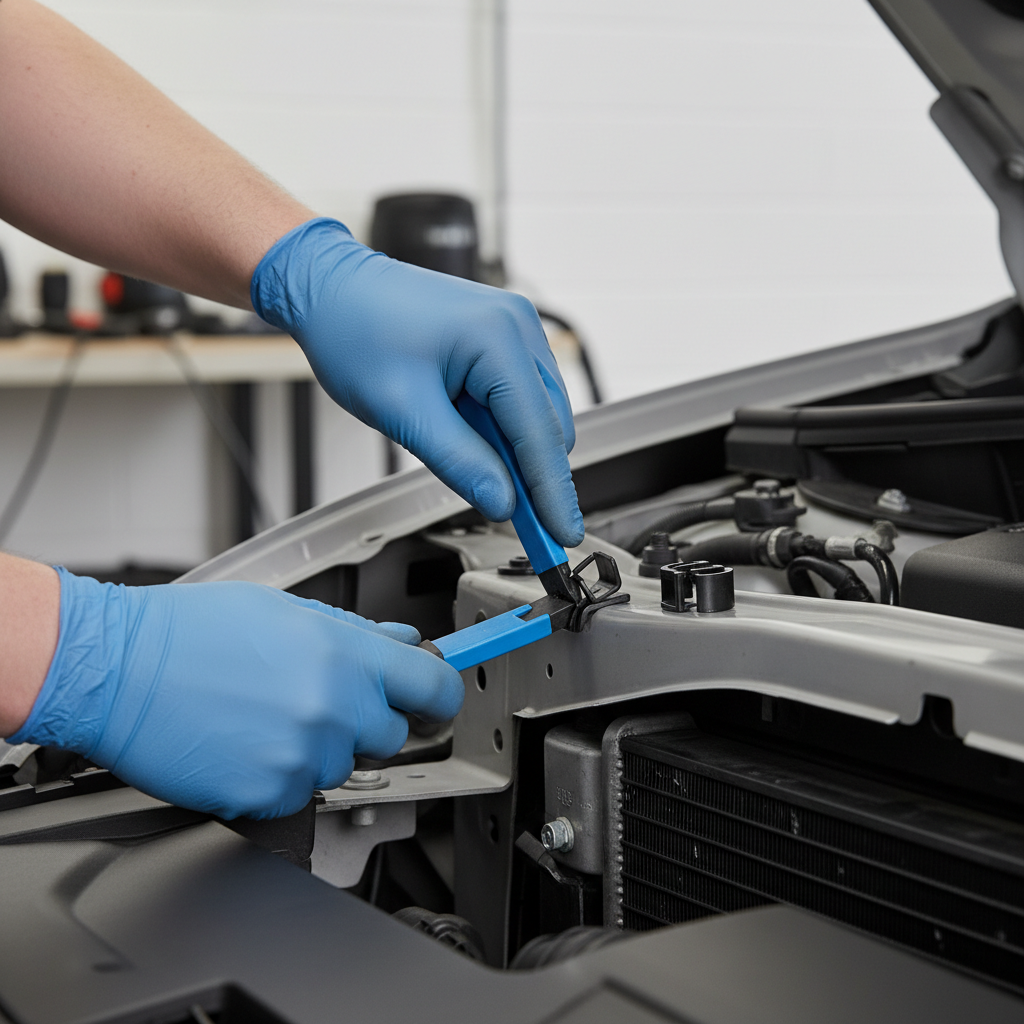
Fix B: Replace the retaining clip/grommet (when there’s no “bite”)
On many vehicles, the small plastic or rubber piece is the whole problem. If it’s cracked or loose, replacement is usually cheap and more reliable than improvising.
- Find the part by vehicle make/model/year, or look up “hood prop rod clip” plus your vehicle.
- Remove the old clip (often pries out with a trim tool or flat screwdriver).
- Press the new clip in until fully seated, then test the rod engagement.
If you’re searching how to fix hood prop rod not staying because the rod drops with a small bump, this clip replacement is the fix in a lot of cases.
Fix C: Straighten or replace a bent prop rod (when it won’t seat fully)
Minor bends sometimes can be corrected, but the line between “slightly off” and “will fail again” is thin. If the rod is noticeably kinked, replacement tends to be the safer, less frustrating route.
- For minor bends: remove the rod, gently straighten using a vise and soft jaws, then re-check by rolling on a flat surface.
- For major bends: replace the rod, especially if the end that locks into the bracket is deformed.
A rod that’s been bent once often bends again more easily, so don’t rely on a marginal straightening job if you work under the hood often.
Fix D: Tighten/repair the bracket (when the mount shifts)
- Tighten the bracket fasteners to manufacturer torque spec if available.
- If the metal is cracked or the hole is worn oval, replace the bracket if sold separately.
- If the bracket is part of a larger support, a shop may need to address the mounting surface.
Don’t “solve” a shifting bracket with glue or tape, it rarely survives heat and vibration.
Fix E: Convert to hood gas struts (when you want a long-term upgrade)
Some owners choose gas struts when the prop rod design is annoying, or when multiple parts are worn. A quality kit can be convenient, but it must match hood weight and mounting points.
- Buy a vehicle-specific kit when possible, universal kits can fit poorly.
- Confirm clearance so the strut doesn’t hit wiring, fenders, or the hood liner.
- After install, open and close the hood slowly a few times and listen for binding.
According to NHTSA, proper maintenance and correct replacement parts help keep vehicles operating safely, if you’re unsure about fitment or hood support strength, a professional install is reasonable.
Diagnosis-to-fix table (use this to decide quickly)
| What you notice | Likely cause | What to do |
|---|---|---|
| Rod slips out with almost no resistance | Worn clip/grommet | Replace retainer, verify full seating |
| Rod won’t go fully into hole/notch | Bent rod or dirty/rusty seat | Clean seat, check rod straightness, replace if needed |
| Bracket moves when you wiggle it | Loose fasteners or fatigued mount | Tighten, repair, or replace bracket |
| Works on flat ground, fails on slope/wind | Marginal engagement or alignment issue | Inspect hood hinges/alignment, replace worn parts |
| Rod end looks chewed up or rounded | End deformation from wear | Replace rod, inspect receiving notch |
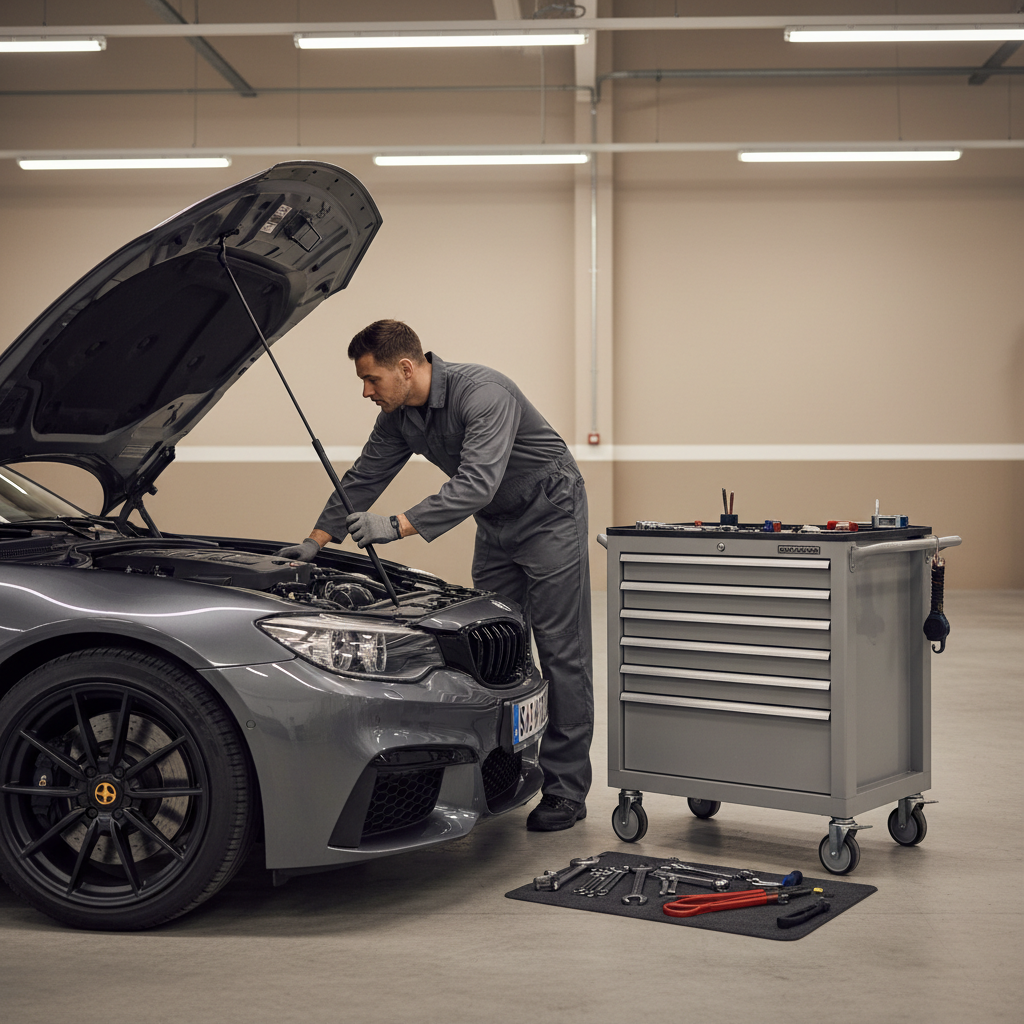
Common mistakes that waste time (or make it less safe)
- Lubing the contact point heavily: grease can reduce friction and make slipping worse, keep the “lock” area clean and mostly dry.
- Using zip ties or tape as a “retainer”: heat cycling and vibration usually defeat quick hacks, and failure happens when you’re under the hood.
- Assuming the rod is fine because it looks straight: small bends can be hard to see until you roll it on a flat surface.
- Ignoring hood alignment: hinge wear and prior bodywork can change angles enough to cause repeat failures.
When to get professional help
If you can’t keep the hood safely supported during testing, or the bracket area shows cracked metal, it’s time to stop improvising. A body shop or reputable mechanic can confirm hinge alignment and structural mounting issues quickly.
Also consider professional help if you suspect prior collision damage, or if you’re converting to gas struts and the mounting points require drilling, incorrect placement can cause hood distortion or poor closing fit.
Key takeaways and a practical next step
If you’re still stuck on how to fix hood prop rod not staying, focus on the “hold” interface first: the clip/grommet and the receiving notch. Those parts fail more often than people expect, and they’re usually cheaper than chasing bigger issues.
Action plan: do the 5-minute self-check, then either replace the retainer or address a bent rod. If the bracket shifts or the hood alignment looks off, get a second set of eyes from a shop before it becomes a recurring safety problem.
FAQ
- Why does my hood prop rod keep slipping out even after cleaning?
Cleaning helps only when grime or rust blocks full engagement. If it still slips, the retainer clip/grommet or the receiving notch is likely worn and can’t hold tension anymore. - Can I bend the hood prop rod back into shape?
Sometimes, if the bend is minor and there’s no kink near the tip. If the rod has a sharp bend or the end is deformed, replacement is typically safer because it will seat more consistently. - Is it safe to drive if the prop rod won’t stay up?
Driving itself is usually unaffected, but under-hood checks become risky. If you need to add oil or coolant regularly, fix it soon or use a temporary backup support while parked. - What if the hole/notch where the rod sits looks enlarged?
That often means bracket wear. You may be able to replace the bracket or the clip that surrounds it, depending on the vehicle design, a shop can confirm the correct part path. - Will lubricating the prop rod help it stay in place?
Not in most cases. Heavy lubrication can reduce friction and make slipping worse; a light rust inhibitor on surrounding metal is fine, but keep the lock area mostly clean and dry. - How do I know if my hood hinges are causing the issue?
If hood gaps look uneven, the hood sits off-center, or the prop rod angle looks forced, hinge wear or misalignment may be contributing. That’s a good moment to ask a body shop for an inspection. - Should I switch from a prop rod to gas struts?
It can be a nice upgrade if you choose a vehicle-specific kit and install it correctly. If you’re not confident about mounting points or hood weight support, professional installation is worth considering.
If you’re working on a daily driver and want a more “set it and forget it” solution, consider replacing the clip and bracket as a pair, or upgrading to a vehicle-specific strut kit, it’s often less hassle than repeatedly adjusting a worn setup.