
Best car air fresheners for car vents make the most sense when you want consistent scent without a dangling card, sticky gel cup, or a bulky can rolling under the seat.
But “long lasting” is where most people get disappointed, you buy something that smells great for two days, then it fades, or worse, it turns sharp and synthetic once the cabin warms up.
This guide breaks down what truly affects longevity, which vent-clip formats hold up in real driving, and how to choose a scent strength that won’t give you a headache on a commute.
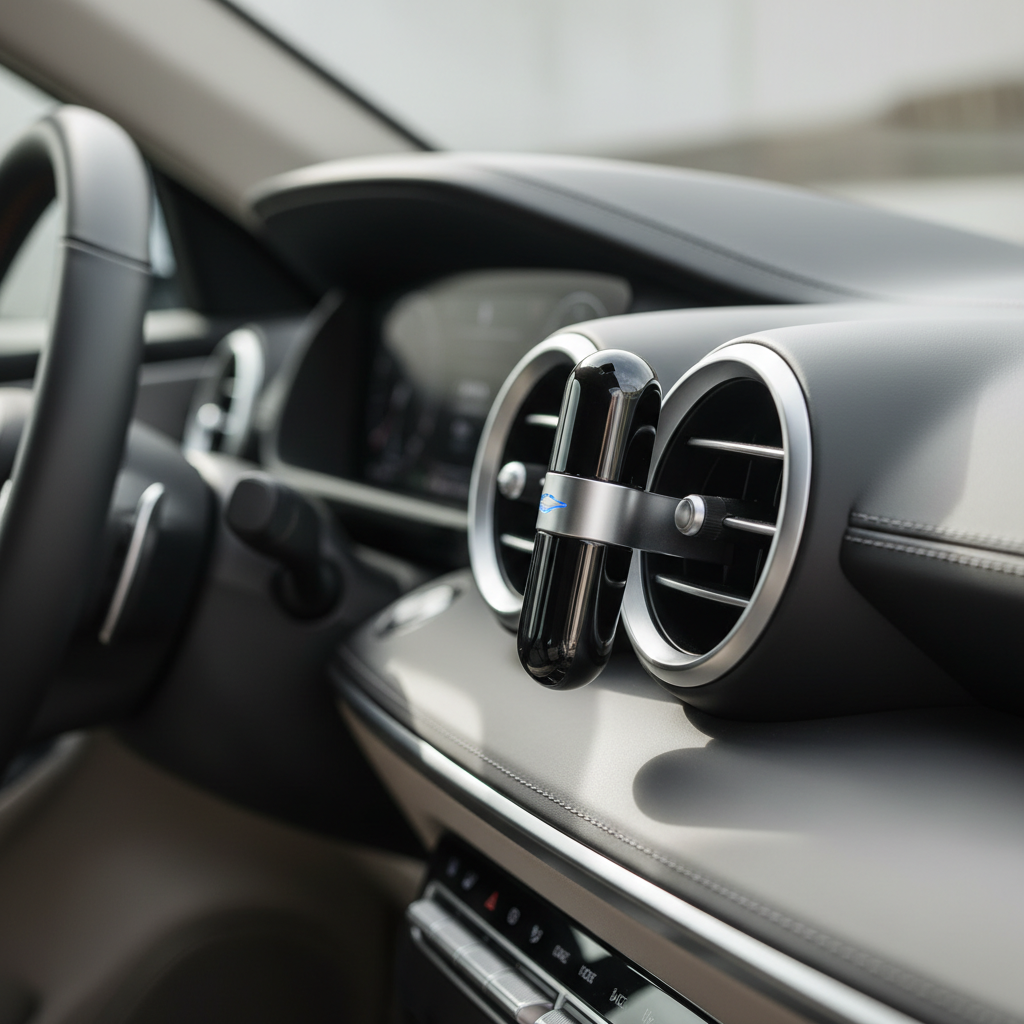
What “long lasting” really depends on (it’s not just the brand)
Longevity usually comes down to carrier material (what holds the fragrance), airflow (how fast it evaporates), and heat (how aggressively it off-gasses). A vent clip sits right where those factors swing wildly.
- Heat swings speed up fading: when the heater runs, many vent clips burn through fragrance fast, especially oil-heavy scents.
- High fan speed = shorter life: constant high airflow can make a “30-day” claim feel like 10–14 days in practice.
- Scent profile matters: citrus and “fresh linen” often feel brighter but fade faster, woody/amber profiles tend to linger longer.
- Cabin size changes everything: a strong vent clip that feels perfect in a sedan can seem weak in a large SUV, or overpowering in a compact.
According to EPA, improving ventilation is a common way to reduce indoor pollutant concentrations, and in a car that same airflow can also move fragrance around faster than you expect. If you’re sensitive to smells, that’s a reminder to start low and adjust rather than maxing it out.
Types of vent air fresheners: which ones tend to last longer
Not all vent scents are built the same. Here’s the practical difference between the main formats you’ll see when shopping for the best car air fresheners for car vents.
1) Oil-based vent clips (refillable or cartridge)
These often smell “richer” and can last well, but heat can make them run hot and fast. Look for adjustable intensity and leak-resistant designs.
- Good for: drivers who want noticeable scent with control
- Watch out for: potential drips onto trim if overfilled or stored poorly
2) Solid fragrance blocks (polymer/resin)
These typically last longer and behave more predictably across temperatures, though the scent can be subtler.
- Good for: steady, low-maintenance freshness
- Watch out for: “plastic-y” notes in very cheap formulas
3) Membrane or gel-style vent pods
Usually consistent, often affordable, but can fade unevenly, you’ll notice it strong early and then suddenly gone.
- Good for: short commutes, frequent refreshers
- Watch out for: performance drop after the first week in hot climates
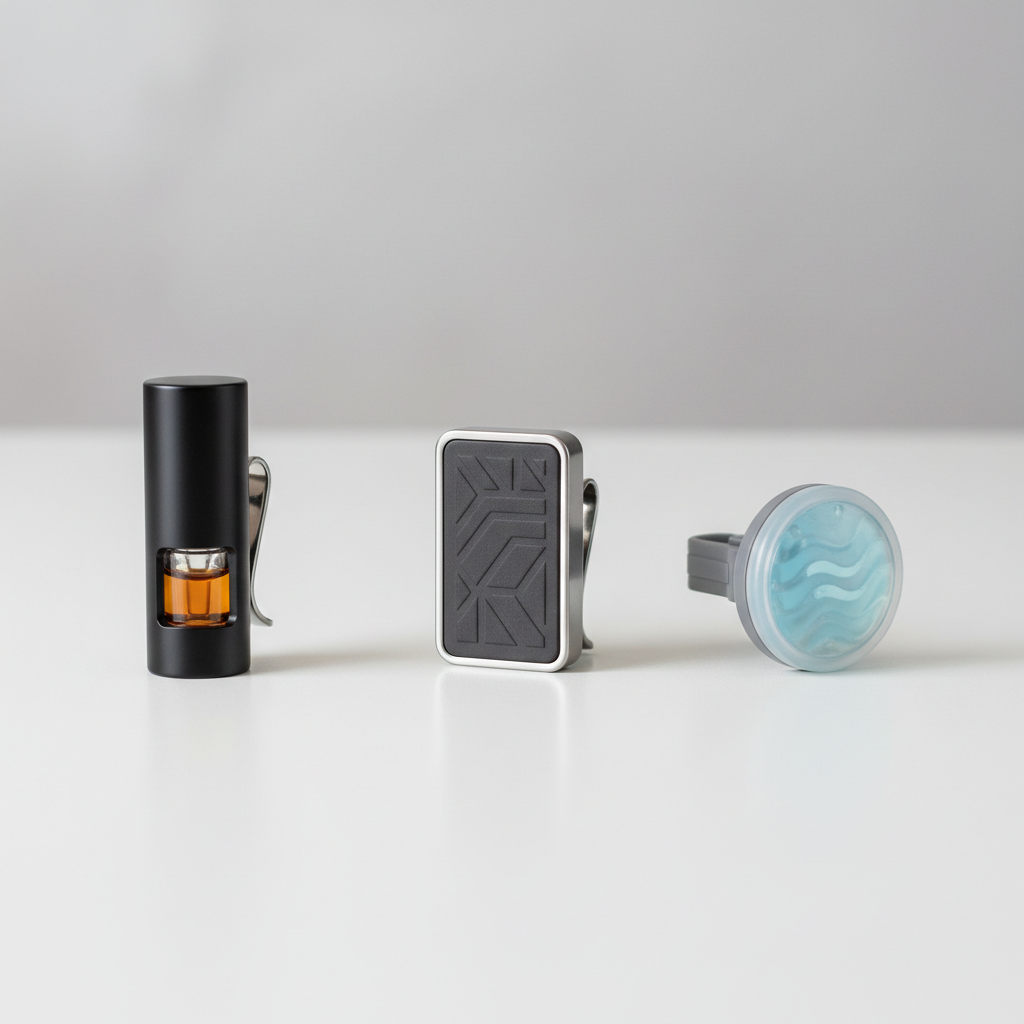
Quick comparison table: choosing the right vent freshener format
If you’re trying to pick quickly, this table reflects what tends to happen in everyday use, not perfect lab conditions.
| Type | Typical longevity | Scent strength | Best for | Main drawback |
|---|---|---|---|---|
| Oil-based clip | Medium to long (varies with heat/fan) | Medium to strong | Drivers who want noticeable scent + adjustability | Can run through faster with heater; possible leaks |
| Solid block/resin | Long | Low to medium | Set-and-forget freshness | May feel too subtle in larger vehicles |
| Gel/membrane pod | Short to medium | Medium (front-loaded) | Budget picks, frequent changes | Fades unevenly, especially in heat |
A realistic checklist: are vent fresheners the right choice for your car?
Vent clips are convenient, but they’re not the answer for every smell problem. Use this to self-check before you buy another pack.
- If the odor is “musty” after rain, you may have moisture in carpets, a clogged cabin air filter, or AC evaporator funk. A vent scent covers it, it won’t fix it.
- If you smell exhaust or fuel, skip fragrance and get the car inspected. That can be a safety issue.
- If passengers complain it’s too strong, you likely need a lower-output solid clip, or an adjustable oil clip set to minimum.
- If scent disappears in a week, you might be blasting heat/high fan speed daily, or placing the clip on the strongest vent.
- If you get headaches, pick lighter notes (cotton, green tea, mild woody) and avoid “extra strength” claims.
How to make a vent air freshener last longer (without doing weird hacks)
Most “long lasting” improvement comes from placement and airflow habits, not gimmicks. Try these changes before you switch products.
Place it where airflow is steady, not extreme
- Use a center vent for balanced distribution, but avoid the vent you always aim at your face.
- If you always run max AC/heat, move the clip to a side vent and angle it away slightly.
Turn down intensity early
With many of the best car air fresheners for car vents, the first 48 hours are the strongest. If the product has an intensity slider, start at low, your nose adapts fast, and you’ll burn less fragrance upfront.
Control heat exposure when parked
- Use a windshield sunshade to reduce cabin temps.
- In very hot weather, consider removing the clip when parking for long periods, especially oil-based designs.
Pair it with basic odor control
- Replace the cabin air filter on schedule (or sooner in dusty areas).
- Vacuum seats and floor mats, food smells stick in fabrics longer than people think.
- If AC smells sour, an HVAC cleaning may help; if you’re unsure, ask a trusted mechanic.
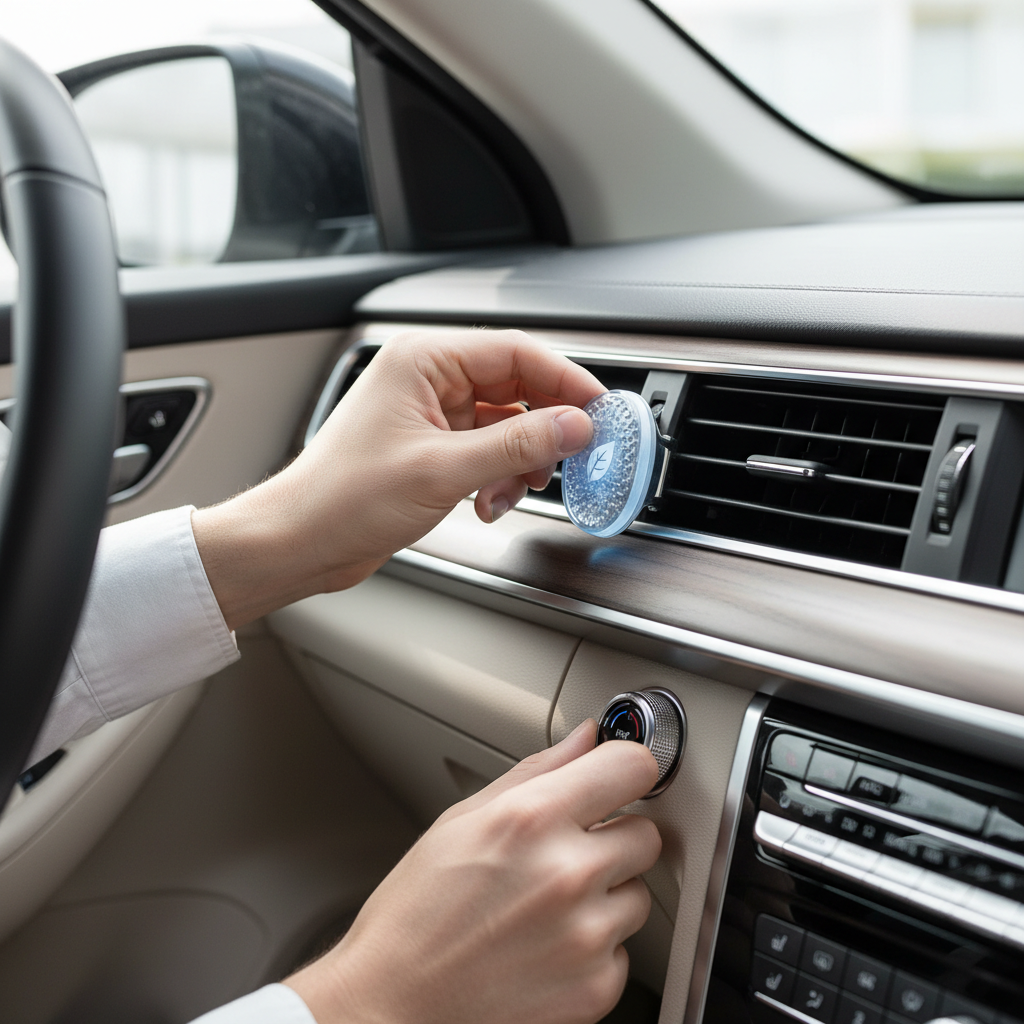
Common mistakes that waste money (and make the car smell worse)
This is the part most product listings skip. A vent clip can turn from “nice” to “why does my car smell like that?” if you fall into these traps.
- Over-layering scents: mixing vent clips with a hanging card and a console gel often creates a muddled, stale smell.
- Trying to cover smoke or mildew: heavy odors usually need cleaning first, fragrance second.
- Clipping to a damaged vent fin: weak fins sag, the clip falls, then you get spills or rattles.
- Assuming stronger is better: “extra strength” can feel harsh in stop-and-go traffic when airflow changes every minute.
- Ignoring material compatibility: some oils may discolor soft-touch plastics in certain cars; keep contact minimal and wipe any residue quickly.
Key takeaways + a simple buying rule
If you want a quick rule that usually holds: choose solid block/resin when you care most about longevity and low drama, choose oil-based with adjustability when you care most about scent presence, and choose gel/membrane when you’re okay replacing more often.
- For “actually lasts”: solid formats tend to be the most consistent.
- For “smells like a fresh detail”: oil formats can feel premium, but manage heat and fan speed.
- For sensitive noses: lighter notes + lower output usually wins.
When shopping the best car air fresheners for car vents, look for an intensity control, a secure clip design, and a scent family you already enjoy at home, because if you don’t like it in a room, you won’t like it in a sealed cabin.
Conclusion: keep it simple, then make it last
The best results usually come from picking the right vent format for your driving habits, then dialing in placement and airflow so the scent doesn’t burn off in a week. If the smell you’re fighting seems “structural” like mildew, fuel, or exhaust, treat that as a maintenance issue first and use fragrance as the finishing touch.
If you want a practical next step, choose one vent freshener type from the table, run it for two weeks with moderate fan settings, then adjust: either move vents and lower intensity, or switch formats if it still fades too fast.
FAQ
What are the best car air fresheners for car vents that last the longest?
In many cases, solid block/resin vent clips last the most consistently because they release fragrance more slowly. Oil-based clips can last long too, but heat and high fan speed often shorten their run time.
Why does my vent air freshener stop smelling after a few days?
Two common reasons: your nose adapts quickly to a constant scent, and the initial top notes evaporate fast. Try lowering intensity early and placing the clip away from direct, high-speed airflow.
Are vent clip air fresheners safe to use around kids or pets?
Many people use them without issues, but sensitivity varies. If anyone in the car gets headaches or irritation, reduce intensity, choose a milder scent, or remove it. For specific concerns, it’s reasonable to consult a healthcare professional.
Can vent fresheners damage car vents or interior plastics?
They can, especially if oils leak or the clip rubs soft-touch trim. Keep the device upright, avoid overfilling refillables, and wipe any residue quickly.
Should I put the vent freshener on the driver-side vent?
Usually not if you’re scent-sensitive, because it blows directly at you and can feel overpowering. A center or passenger-side vent often spreads scent more evenly.
What scent types usually feel less overpowering in a small car?
Light “clean” profiles like cotton, green tea, mild woods, or soft vanilla often feel smoother than heavy cologne or intense tropical fruit. If you’re unsure, start with a low-output solid clip.
How do I get rid of bad smells before adding a vent air freshener?
Start with basics: remove trash, vacuum fabric surfaces, clean spills, and consider replacing the cabin air filter. If odors persist or you suspect mold, an inspection by a mechanic or detailer may be the better next move.
If you’re trying to pick a vent clip that won’t fade fast, it helps to match the format to your climate and fan habits, and to treat odors at the source so your freshener can do its job instead of fighting a losing battle.