
how to fix car transmission fluid overfill usually comes down to one thing: getting the fluid level back into the correct range without guessing, rushing, or overheating anything.
If you or a shop added too much ATF, the car might still drive, but it can shift oddly, push fluid out of the vent, or start slipping when the fluid gets aerated. That foamy mix does not lubricate or build pressure the way transmission fluid should, and that’s where the real risk starts.
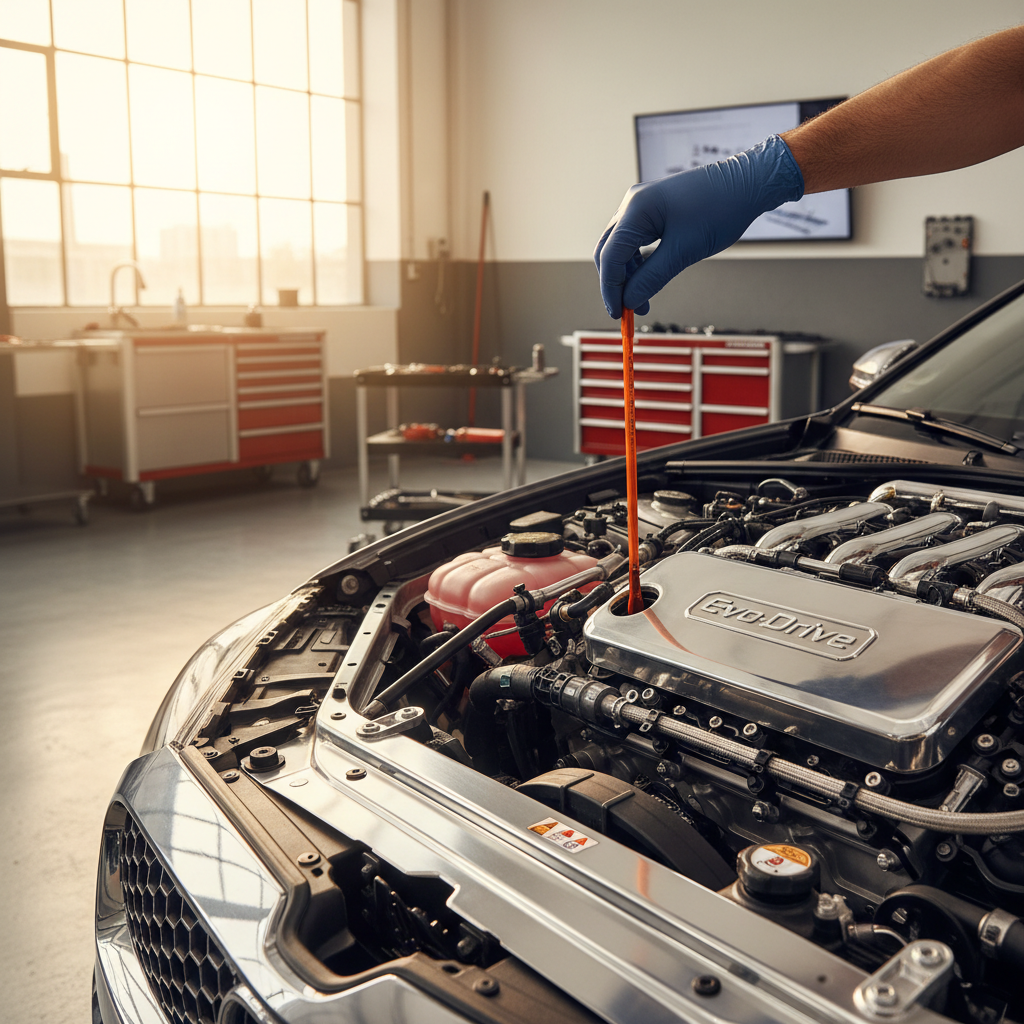
The good news is many overfill situations are fixable at home if you can safely lift the vehicle and you follow the right level-check procedure for your specific transmission. The tricky part is that “correct level” is not universal, some cars want the fluid checked hot and idling, others are sealed units with a fill plug and temperature window.
Below is a practical, no-drama path: how to tell whether you truly overfilled, what to do right away, and a couple ways to remove the extra fluid cleanly.
Why overfilled transmission fluid becomes a problem
Too much ATF is not like having “extra oil for safety.” In many cases, the rotating parts inside the transmission whip the fluid into foam, and foam compresses, so hydraulic pressure control gets inconsistent.
- Aeration and foaming: bubbles reduce lubrication and can trigger slipping or delayed engagement.
- Heat build-up: foamy fluid sheds heat poorly, and hot ATF degrades faster.
- Leaks or fluid push-out: overfill can raise internal pressure, so fluid escapes through the vent or seals.
- Shifting issues: harsh shifts, flare between gears, or hesitation can show up once the fluid is hot.
According to NHTSA, unexpected vehicle behavior can increase crash risk, so if the car starts slipping, surging, or losing drive, treat it as a safety issue and stop driving until you know what’s going on.
Quick self-check: are you truly overfilled?
Before you remove anything, confirm the measurement. A lot of “overfill” reports come from checking at the wrong temperature, on a slope, or with the engine off when the procedure requires idle.
Use this checklist
- Vehicle is level: flat driveway or level garage floor, not a crowned street.
- Correct operating state: many automatics require engine idling, in Park, after shifting through all gears briefly.
- Correct temperature: some are “hot” checks after 10–20 minutes of driving, others specify a narrow fluid-temp range.
- Correct dipstick reading technique: wipe, reinsert fully, pull again, read the same side consistently.
- Right fluid type: wrong ATF can create shifting symptoms that look like overfill.
If the level sits above the “FULL/HOT” mark (or above the specified range for sealed transmissions), then yes, you likely need to remove some fluid.
Symptoms that suggest an overfill (and what they can also mean)
Overfill symptoms can overlap with other issues, so use them as clues, not proof.
- Fluid coming from the vent or around the dipstick tube: often overfill, but also possible overheating.
- Erratic shifting when hot: can be aeration, but could also be low fluid, worn clutches, or a solenoid issue.
- Whining or buzzing: can happen with aerated fluid, but also with pump wear.
- ATF looks foamy on the dipstick: classic overfill sign, but can also show after aggressive driving or if the fluid is badly degraded.
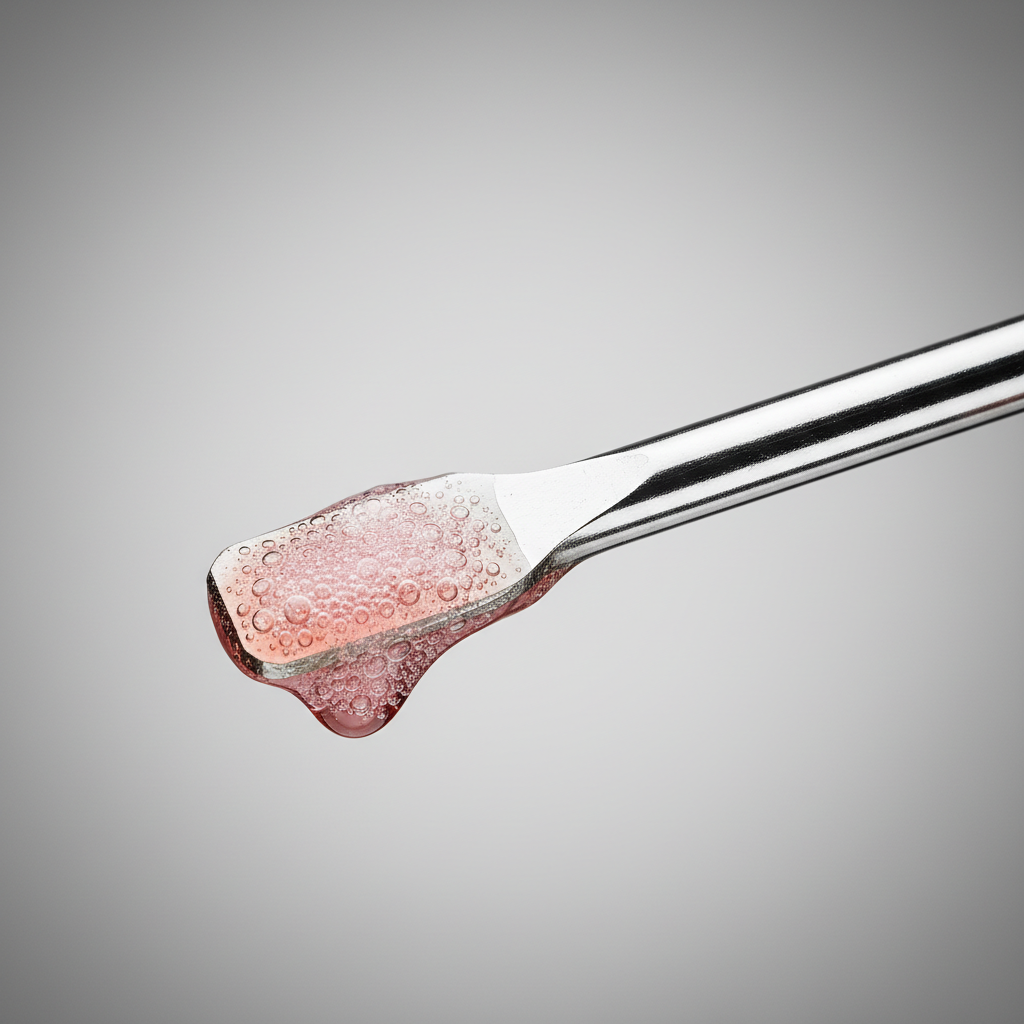
Key point: if you see slipping, burning smell, or you lose forward/reverse engagement, don’t keep “testing it.” Overfill might be the cause, but damage can stack quickly when pressure and heat go sideways.
How much is “too much”? A practical guide
There isn’t one universal number. Some dipsticks have a wide HOT range, others are tight. Sealed transmissions can be even more sensitive because the correct level is tied to fluid temperature.
Here’s a realistic decision table that helps you choose the safest next step.
| What you see | Likely risk level | What to do next |
|---|---|---|
| Just barely above FULL/HOT mark, no symptoms | Low to moderate | Recheck using the correct procedure; consider removing a small amount (a few ounces) and recheck |
| Clearly above mark, mild shift weirdness when warm | Moderate | Remove fluid in small steps, drive short loop, recheck hot level |
| Foamy fluid, venting/leaks, slipping | High | Stop driving, correct level promptly; if symptoms persist, get a professional inspection |
| Sealed transmission, unsure procedure | Variable | Use manufacturer procedure or a shop with scan tool/temp method; avoid guessing |
How to remove excess transmission fluid (two common methods)
To how to fix car transmission fluid overfill safely, you want controlled removal. Pulling “some” out blindly is where people end up swinging from overfull to underfilled.
Method A: Extract through the dipstick tube (cleanest for many cars)
This works on many vehicles with a transmission dipstick. You’ll need a fluid extractor or a hand pump with small tubing.
- Warm the car to the check condition your manual specifies (often fully warm, idling).
- Shut off engine for the extraction step if your tool and access are safer that way, keep the car secure and level.
- Insert the extractor tube down the dipstick tube until it bottoms gently.
- Pull out a small amount, think 4–8 oz at a time.
- Restart, cycle through gears briefly, then recheck level the correct way.
Go slow. The difference between “a little high” and “a little low” can be a surprisingly small volume on some transmissions.
Method B: Drain from the pan plug (or crack the pan) and measure
If your transmission has a drain plug, this can be straightforward. If it does not, loosening a pan bolt is messy and easy to overdo, many people regret that route.
- Lift the vehicle safely on level ground, use jack stands rated for the vehicle.
- Place a catch pan, wear gloves and eye protection, ATF can be hot.
- Crack the drain plug slowly and let out a small amount, then retighten.
- Measure what you removed so you can correct directionally if you go too far.
- Recheck the level per the correct procedure, top up only if you overshot.
According to OSHA, proper use of jack stands and stable lifting practices reduces crush hazards, so don’t improvise with unstable supports.
Step-by-step: a safe “remove and recheck” routine
If you want one repeatable routine, use this. It’s boring, but it keeps you out of trouble.
- Confirm check procedure (hot/cold, idling/off, gear cycling, temp window for sealed units).
- Get the vehicle level and keep it level for every recheck.
- Remove small amounts (a few ounces), not “a quart because it looks high.”
- Let the fluid settle for a minute, then recheck.
- Test drive lightly after you hit the correct range, then recheck one more time.
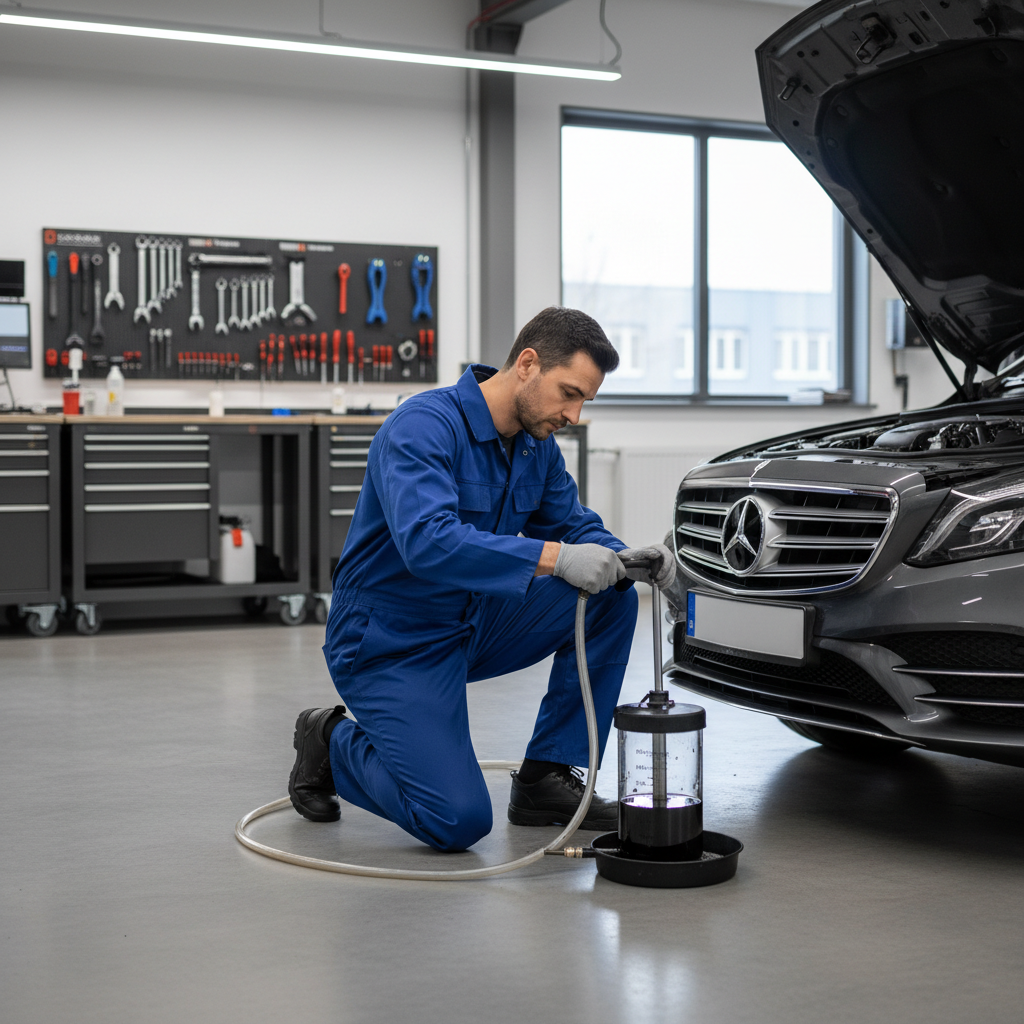
Quick sanity check: once corrected, ATF on the dipstick should look like a smooth film, not foamy, and shifting should feel consistent after the transmission warms up.
Common mistakes that waste time (or create new problems)
- Checking cold when the spec is hot: you’ll misread the level and “fix” the wrong problem.
- Removing too much at once: underfill can cause pressure drop and slip, sometimes worse than a mild overfill.
- Ignoring leaks after venting: if fluid blew out, you may now have a seal leak that keeps returning.
- Mixing fluid types: “universal” ATF sometimes works, sometimes creates shift feel issues, follow the owner’s manual or OEM spec.
- Assuming overfill is the only cause: if symptoms persist after level correction, another fault may exist.
When it’s smarter to stop and get professional help
Some situations are DIY-unfriendly, and that’s not a skill issue, it’s just how modern drivetrains are built.
- Sealed transmissions that require a scan tool to confirm fluid temperature and an overflow/fill plug procedure.
- Repeated foaming after you set the level, which can suggest contamination or internal aeration issues.
- Persistent slipping, harsh engagement, or warning lights after correcting the level.
- Burnt smell or dark fluid, which may point to overheating or clutch material wear.
According to AAA, if a vehicle behavior creates a safety concern, using roadside assistance or towing can be the safer call than continued driving, especially if power delivery feels inconsistent.
Conclusion: bring the level back, then verify it stays stable
how to fix car transmission fluid overfill is usually not complicated, but it rewards patience: confirm the correct check method, remove ATF in small steps, and recheck under the right conditions.
If you do two things today, make them these: (1) verify the level using the manufacturer procedure, and (2) remove fluid gradually until it sits in the proper range. If shifting still feels off afterward, that’s your cue to have a shop diagnose it before more heat and slip stack up.
FAQ
Can overfilled transmission fluid cause slipping?
Yes, it can. Overfill may aerate the fluid, and aerated ATF can make hydraulic pressure inconsistent, which may feel like slip or delayed engagement. If the slip continues after level correction, a separate issue may exist.
How long can I drive with too much transmission fluid?
It varies. A slight overfill might not show symptoms immediately, but once foaming or venting starts, continuing to drive can raise heat and reduce lubrication. If you notice slipping, burning smell, or fluid pushing out, it’s safer to stop and correct it.
How much transmission fluid should I remove if it’s overfilled?
Most people do best removing small amounts, like 4–8 ounces at a time, then rechecking. The exact amount depends on the transmission and how far above the mark you are.
What if my car has no transmission dipstick?
Many newer vehicles are “sealed” and require a fill/overflow plug method at a specific fluid temperature. In that case, guessing is risky, you may want a shop that follows the OEM procedure.
Will overfill damage seals or cause leaks?
It can contribute. Elevated internal pressure may push fluid out a vent or stress seals, especially when the fluid is hot. If you correct the level and still see leaks, inspect for existing seal or pan gasket issues.
Does foamy transmission fluid always mean it’s overfilled?
Often, but not always. Foaming can also show up with degraded fluid, contamination, or after certain driving conditions. The level check and symptom pattern together give the clearer answer.
Is it okay to drain from the transmission pan bolt if there’s no drain plug?
It’s possible, but it’s messy and easy to remove too much. If you go that route, loosen slowly, measure what comes out, and retorque properly. Many people prefer a dipstick-tube extractor when available.
After fixing the level, why does it still shift weird?
The transmission may need a little time to clear aeration, but persistent issues can point to overheating damage, low fluid from a leak, wrong ATF, or an electronic control fault. If it doesn’t improve quickly, a professional diagnosis is a reasonable next step.
If you’re dealing with repeat overfill, no-dipstick designs, or you want a more hands-off way to confirm the correct level and fluid spec, a local transmission shop can usually check level by procedure and spot leaks before they turn into a bigger repair.