
How to clean car windows streak free comes down to two things most people miss: controlling residue and controlling light so you can actually see what you leave behind.
If your glass looks perfect in the shade but turns into a smeary mess the moment you drive into sun, you’re not alone. Streaks usually aren’t “dirty glass”, they’re leftover film, product overload, or a towel that’s quietly spreading grime around.
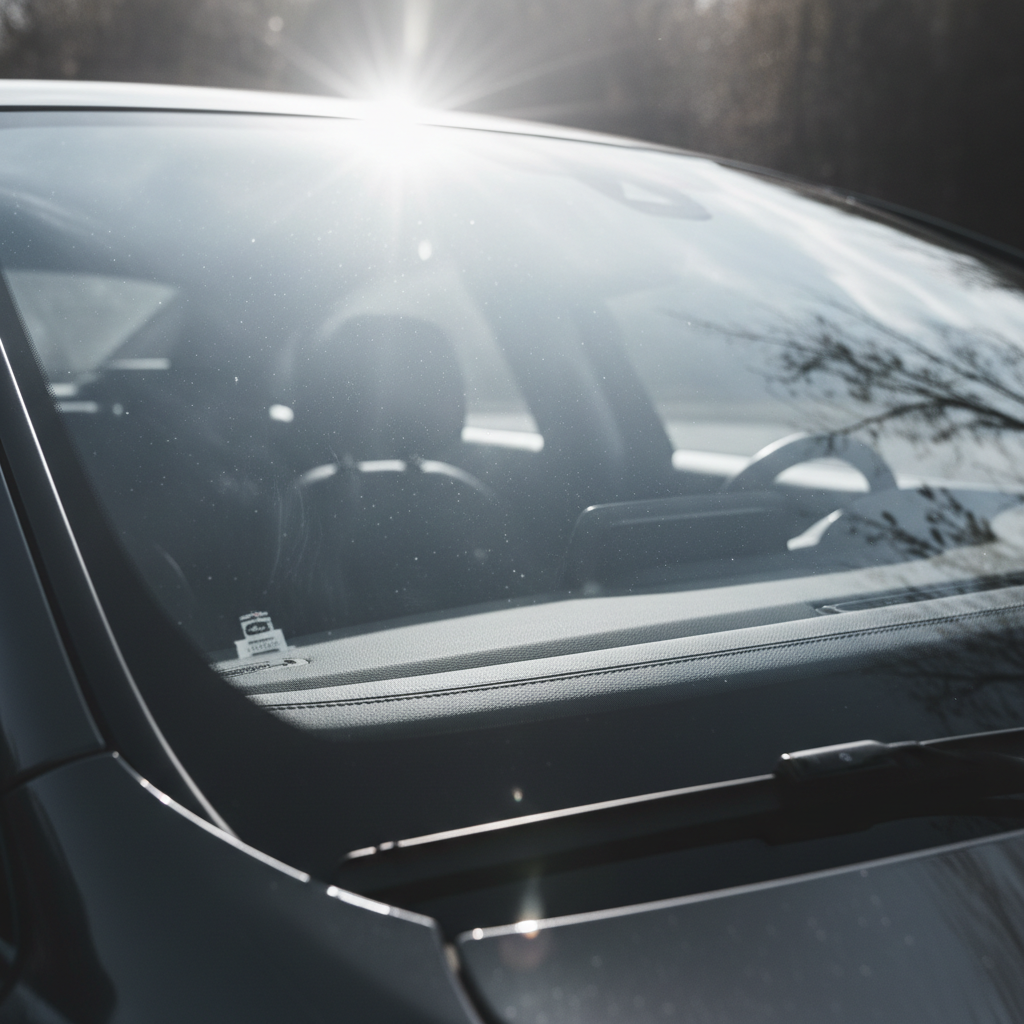
This guide keeps it practical: what causes streaks, a quick self-check, a simple step-by-step method for inside and outside glass, plus a small product table so you can stop guessing. A few small tweaks usually beat buying a shelf of cleaners.
Why car windows streak (and why it keeps happening)
Streaks tend to come from a handful of repeat offenders, and the fix depends on which one you’re dealing with.
- Cleaner residue: Too much product or a cleaner that doesn’t flash off cleanly can dry into lines, especially on warm glass.
- Dirty or wrong towel: Fabric softener, lint, or a towel used on waxy paint transfers oils straight to glass.
- Interior film: Plastic outgassing (that slightly oily dashboard film), smoker residue, and HVAC mist build a stubborn haze inside.
- Water minerals: Hard water spots can look like streaks, but they’re deposits that need a different approach.
- Sun + heat: Product dries too fast, you buff harder, and you end up chasing your own marks.
According to NHTSA, keeping windshields and windows clear matters for visibility, and anything that creates glare or haze can be a real driving distraction.
Quick self-check: what kind of “streak” are you seeing?
Before you re-clean the same glass three times, figure out what you’re actually fighting.
- Looks worse in direct sun, improves in shade: usually residue or interior film.
- Feels rough with a fingertip (outside): likely contamination or mineral deposits, not just smears.
- Wipes clear, then reappears as it dries: product overload or a towel that’s saturated.
- Foggy patch near vents: interior film from plastics or aerosol products.
- Perfect outside, messy inside: very common, and it means the interior needs its own method.
If you’re seeing hard water spotting or etched marks, skip ahead to the troubleshooting section, because standard glass cleaner often can’t fix that alone.
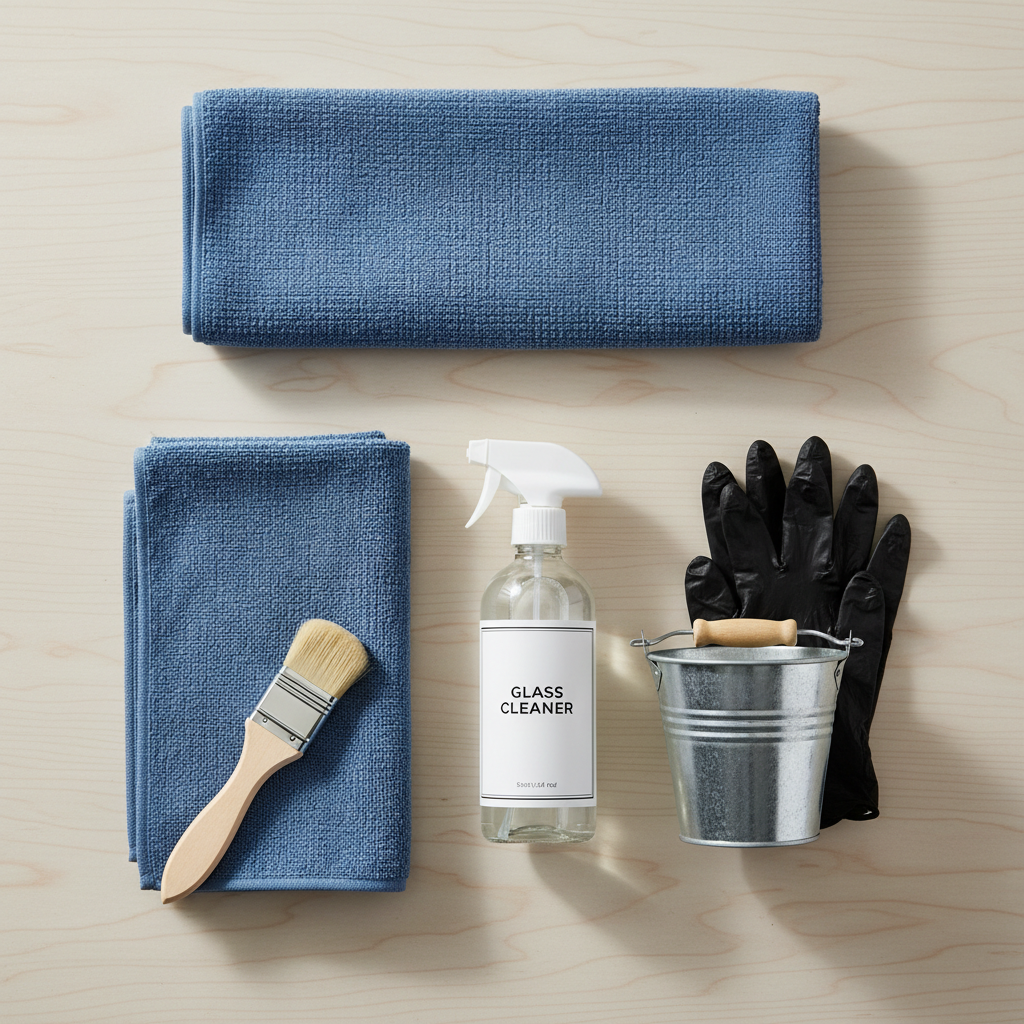
Tools and products that actually help (with a simple table)
You don’t need fancy gear, but the right towel and the right chemistry make streak-free results much more repeatable.
| Item | What to look for | Why it matters |
|---|---|---|
| Microfiber towels | Waffle-weave or tight-weave, clean, no fabric softener | Absorbs cleaner and lifts film without lint |
| Glass cleaner | Automotive glass cleaner or dilute isopropyl alcohol mix | Breaks oils and flashes off cleaner |
| Second dry towel | Bone-dry, reserved for glass only | Final buff removes remaining residue |
| Optional: clay bar/towel | Used with proper lubricant | Removes bonded contaminants on exterior glass |
| Optional: water spot remover | Glass-safe, used carefully per label | Targets minerals when “streaks” are deposits |
Key point: dedicate towels to glass. The towel that touched wax or interior dressing is a streak machine, even if it looks clean.
Step-by-step: how to clean exterior car windows streak free
This is the method that tends to work in most driveways, without turning it into a two-hour detailing session.
1) Start with a quick rinse or wash when possible
If the car is dusty, you’ll just grind grit around. A rinse or a quick wash saves effort and reduces micro-scratching risk.
2) Work on cool glass, out of direct sun
Heat speeds evaporation and leaves cleaner behind. If you can’t avoid sun, do one window at a time and use less product.
3) Spray the towel, not the glass (most of the time)
Lightly mist your microfiber, wipe the glass in overlapping passes, then switch to a dry towel to buff. Spraying the towel reduces overspray on trim and prevents flooding edges where residue hides.
4) Use a pattern that helps you diagnose streaks
- Wipe outside glass horizontally.
- Wipe inside glass vertically.
If you see lines later, the direction tells you which side still has residue, which keeps you from redoing everything.
5) Final check from multiple angles
Walk a half step to the side and look across the glass. Streaks often hide until the light hits at an angle.
Step-by-step: inside windows (the part most people struggle with)
Interior glass is where most “how to clean car windows streak free” searches come from, because that oily film does not behave like normal dirt.
1) Drop the window slightly
Lower it about an inch, clean the top edge, then raise it and clean the rest. That top strip is a common spot for mystery smears.
2) Use less cleaner than you think
Interior streaking often comes from over-wetting. A light mist on the towel, followed by a dry buff, usually beats soaking the glass.
3) Do a “two towel” pass
- Towel A (damp with cleaner): wipe to lift film.
- Towel B (dry): immediately buff until the glass squeaks.
4) If film keeps returning, do a targeted degrease
Many detailers use a diluted isopropyl alcohol wipe-down as a follow-up. Use reasonable ventilation and avoid soaking electronics, buttons, and stitched leather. If you’re sensitive to fumes, it may be worth choosing an automotive glass cleaner marketed for interior film instead.

Small but real trick: if you can smell interior dressing or see a shiny dashboard, that product often migrates to glass. Dial it back near the windshield line.
Troubleshooting: when “streaks” are actually water spots, haze, or wiper issues
Sometimes you clean correctly and still hate the result, because the problem isn’t removable with normal glass cleaner.
Hard water spots (mineral deposits)
- Signs: round spots, rough feel, visible even after wiping dry.
- What helps: a glass-safe water spot remover used per label, or light polishing made for glass.
Go gently, especially on aftermarket window tint. Some chemicals and abrasives can damage tint or defroster lines, and in doubtful cases it’s smarter to ask a detailing shop what they use on your specific glass and film.
Wiper chatter and smeary arcs
- Signs: streaks appear only when using wipers or in rain.
- What helps: clean the wiper blades with a damp towel, clean the windshield thoroughly, and consider replacing worn blades.
Persistent interior haze
- Signs: foggy look near vents, worse at night with headlights.
- What helps: repeat the two-towel method, reduce interior dressing use, replace cabin air filter if airflow seems weak.
Common mistakes that create streaks (even with good products)
- Using paper towels: they can leave lint and drag residue around, especially on interior film.
- Cleaning in full sun: quick drying leaves cleaner behind, then you buff harder and create more marks.
- One towel for everything: a towel that touched wax, polish, or silicone dressing will fight you on glass.
- Too much cleaner: flooding edges and corners means residue collects where towels rarely reach.
- Skipping the final dry buff: most “streak-free” finishes come from the last 20 seconds.
Key takeaway: if you’re chasing streaks, reduce liquid, upgrade towel discipline, and do a deliberate final buff under angled light.
When it makes sense to get professional help
If you suspect etched water spots, scratched glass, failing window tint, or a windshield coating you’re not sure how to maintain, a reputable detailer or glass shop can save time and prevent expensive mistakes. This is also the safer route if you need to use stronger chemicals and you’re unsure how they might react with tint, defroster lines, or interior materials.
Practical wrap-up (what to do today)
Streak-free glass is less about finding a magic bottle and more about process. Keep two dedicated microfiber towels, use less product, clean out of heat when you can, and check your work from an angle before you call it done.
If you’re cleaning this weekend, do one quick change that usually pays off fast: reserve a fresh waffle-weave towel set just for glass, then redo the inside windshield with the two-towel method and a lighter spray.
FAQ
- How do I clean car windows streak free in direct sunlight?
Try to move to shade, but if you can’t, work one window at a time, use a minimal mist on the towel, and buff immediately with a second dry towel so cleaner doesn’t dry on the glass. - What’s the best towel for streak-free auto glass?
A clean waffle-weave or tight-weave microfiber dedicated to glass usually works well. Avoid anything washed with fabric softener because it can leave residue that behaves like oil. - Why does my windshield look hazy at night even after cleaning?
That’s often interior film plus glare. Re-clean the inside with the two-towel method and check whether dashboard dressing or smoke residue keeps re-depositing on the glass. - Can I use vinegar or household glass cleaner on car windows?
Many people do, but results vary. Some household cleaners can leave residue or interact poorly with aftermarket tint, so if you have tint, it’s safer to use an automotive product labeled tint-safe or consult the tint installer. - How do I remove water spots that look like streaks?
If wiping doesn’t change them and the surface feels rough, you may need a glass-safe water spot remover or light glass polish. Follow product directions carefully and test a small area first. - Should I clean windows before or after waxing the car?
Usually after washing but before waxing is easier, because wax overspray can smear onto glass. If you already waxed, just be careful to keep your glass towel away from waxy paint surfaces. - How often should I clean the inside of my car windows?
It depends on climate, smoking, and product use, but many drivers notice interior film building over a few weeks. If headlights and streetlights start to bloom at night, it’s a good cue to wipe the inside glass again.
If you’re still fighting smears after following the steps above, it may help to simplify your setup: one proven glass cleaner, two dedicated towels, and a quick routine you can repeat. That consistency is usually what finally makes how to clean car windows streak free feel easy instead of endless.