
Best car air purifiers for allergies aren’t about fancy features, they’re about removing the stuff that actually triggers you: dust, pollen, and fine particles that hang in a small cabin longer than most people expect.
If your nose starts running the moment the AC turns on, or your eyes itch after a commute, you’re not imagining it. Car interiors trap particles in upholstery and carpet, and every door opening can bring in a new wave of pollen and roadside dust.
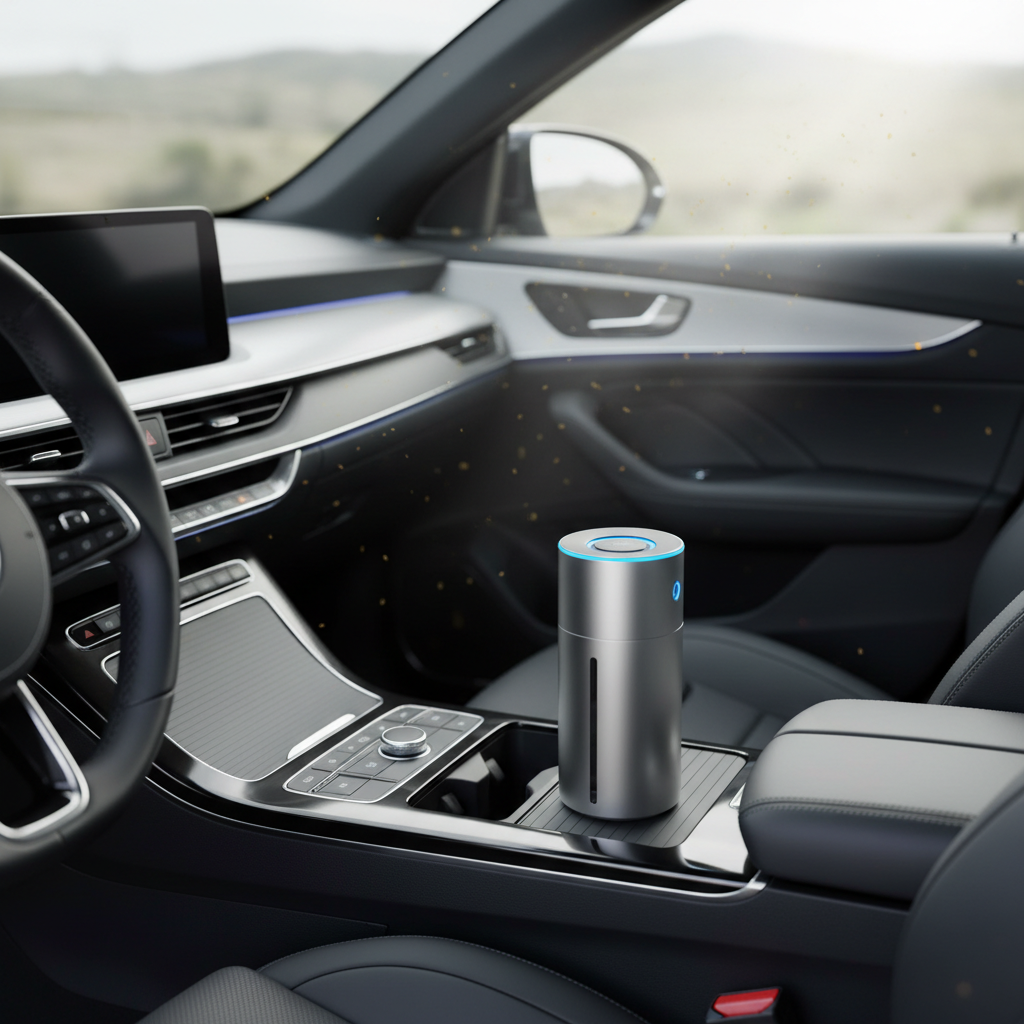
This guide helps you pick the right unit (and avoid common mis-buys), using practical factors like filter type, CADR-style sizing logic for small spaces, noise, and how much maintenance you’ll tolerate. I’ll also share a quick self-check so you can decide whether a purifier will help, or whether your cabin filter and cleaning routine matter more.
What actually causes allergy and dust flare-ups in a car
Most “car air quality” complaints come from a mix of particles and irritants rather than one single culprit. In real life, you’re usually dealing with at least two of these:
- Pollen and outdoor dust brought in on clothes, shoes, and through open windows.
- Resuspended dust from seats, floor mats, and carpet when you sit down or the fan kicks up.
- Mold and musty odors from moisture in HVAC ducts, wet mats, or a neglected cabin air filter.
- Pet dander that embeds in fabric and gets stirred up with airflow.
- Smoke and fumes (wildfire smoke, exhaust), which can involve tiny particles and gases.
According to the U.S. Environmental Protection Agency (EPA), particle pollution includes fine particles that can be inhaled deep into the lungs, and filtration is one way to reduce exposure indoors. A car cabin is basically a tiny “indoor space,” so the same logic often applies, even if the product form factor looks different.
How to choose the right purifier for a small cabin (without overthinking it)
Marketing tends to push big coverage numbers. For cars, the selection is simpler if you focus on a few make-or-break specs.
1) Filter type: HEPA-style matters most for dust and pollen
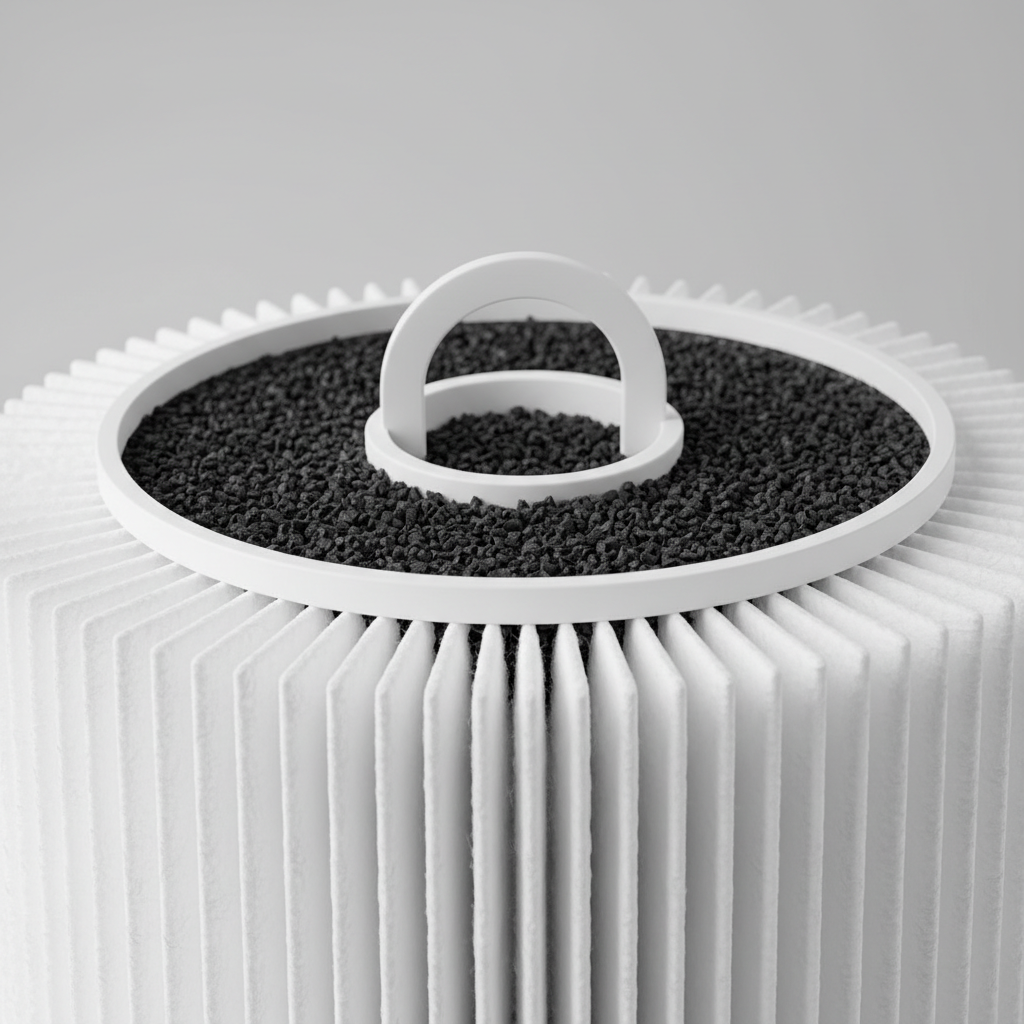
For allergy triggers like dust and pollen, look for a true HEPA or HEPA-grade filter, or a clearly stated high-efficiency particulate filter. That’s the piece that captures fine particulate matter instead of just masking odor.
- HEPA / high-efficiency particulate filtration: best fit for dust, pollen, dander.
- Activated carbon: helpful for odors and some gases, but not a substitute for particle filtration.
- Ionizers/ozone claims: be cautious; some technologies can create ozone or byproducts. If a brand can’t clearly explain output/safety testing, skip it.
According to the EPA, ozone can be harmful to breathe and “ozone generators” marketed as air cleaners are a concern; that’s why many allergy-focused buyers stick to mechanical filtration first.
2) Airflow and “CADR-like” sizing for a car
Not all brands publish a Clean Air Delivery Rate (CADR), especially for car units. Still, the idea is useful: you want enough clean-air output to cycle the cabin volume multiple times per hour.
- Small sedans: compact purifier can work if it has real airflow, not just a tiny USB fan.
- SUVs/minivans: prioritize higher airflow or plan on running longer on high.
- Allergy spikes: you’ll actually use “high mode” more than you think, so noise becomes important.
3) Power and placement: convenience decides consistency
A purifier that’s annoying to power up won’t run. In a car, that’s the whole game.
- 12V plug tends to be more reliable for sustained airflow than a weak USB port.
- USB-C can be great if your car supplies enough power and you want a cleaner cable setup.
- Placement: center console or cup holder often works better than the floor, where intake can clog with lint.
Quick checklist: will a car air purifier help you, or is it something else?
This is the fastest way to avoid buying a purifier when the real fix is cheaper.
- Your symptoms spike when driving and settle down at home: a purifier may help.
- You smell musty air when AC starts: consider HVAC moisture/mold and a cabin air filter replacement first.
- Visible dust returns fast on the dash: upholstery and mats likely need a deeper clean, plus filtration.
- You drive with windows cracked often: expect heavier pollen/dust load; stronger airflow matters.
- Wildfire season bothers you: choose HEPA + carbon, and prioritize a good cabin air filter too.
If you’re unsure, start with the “cheap wins” below, then add a purifier if you still want extra reduction in particles.
Best car air purifiers for allergies: what to look for in 2026 models
Rather than naming a single “winner” for everyone, it’s more realistic to choose by scenario. Product lines change quickly, but these categories stay stable, and they map to the way people actually use them.
| Best for | What to prioritize | What to avoid |
|---|---|---|
| Daily commuting allergies | True HEPA, low noise on medium, easy filter replacements | Weak USB-only units with vague filtration claims |
| Dusty roads / construction routes | Higher airflow, washable pre-filter, sturdy intake design | Filters that clog fast with no pre-filter option |
| Pet dander in the back seat | HEPA + pre-filter, placement near passenger area | Tiny “mini” purifiers that only clean near the dashboard |
| Smoke/odor sensitivity | HEPA + activated carbon, sealed filter housing | Ionizing/ozone-style claims without clear safety guidance |
| Budget-friendly setup | Proven filter availability, simple controls, durable power cable | Off-brand units with hard-to-find replacement filters |
Key takeaways before you buy
- Filter availability is a top-3 factor. A great purifier becomes useless when filters disappear.
- Noise is not a minor detail. If “high mode” is unbearable, you’ll stop using it when allergies hit.
- Don’t ignore the cabin air filter. In many cars, it does a lot of heavy lifting already.
Setup and day-to-day use: the routine that makes a purifier worth it
Most people run a purifier too gently and expect big results. For allergy days, you usually need a short “blast” phase, then a quieter maintenance phase.
A simple routine that works for many drivers
- Before driving (1–3 minutes): start the purifier on high while you buckle in and set navigation.
- During the drive: drop to medium once the cabin feels stable, keep it running.
- After you park (optional): if the car smells dusty or you had windows open, run 3–5 more minutes.
For HVAC settings, recirculation often reduces new pollen intake, but if windows fog or you need fresh air, balance comfort and exposure. There isn’t one “correct” setting for every climate.
Common mistakes that waste money (and how to avoid them)
These show up again and again, especially for people searching for the best car air purifiers for allergies and hoping the device will “solve everything.”
- Buying for odor only when the real issue is particles: prioritize HEPA first, add carbon second.
- Leaving dirty floor mats: the purifier keeps fighting a constant dust source, results feel weak.
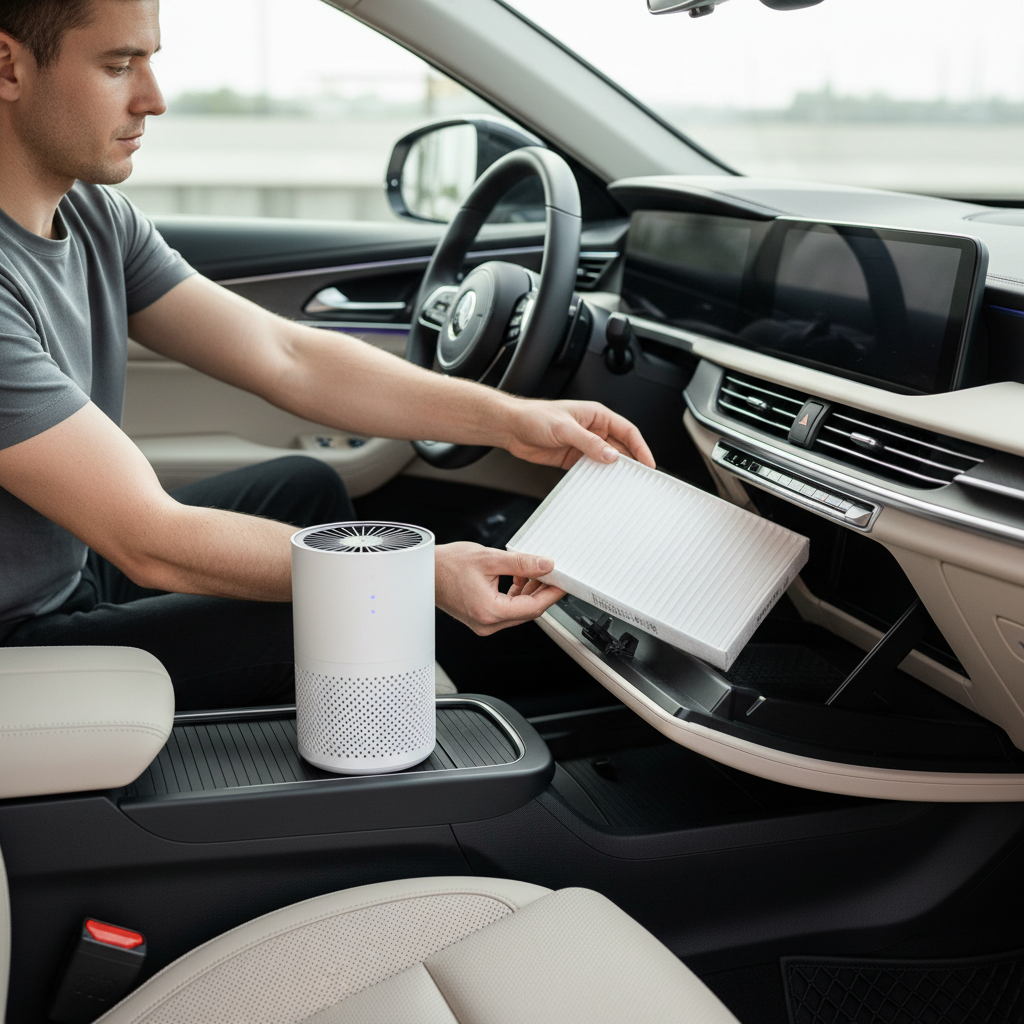
- Forgetting the cabin air filter: replace it on schedule, and consider an upgraded particulate filter if available for your vehicle.
- Running on low all the time: low mode can be fine for maintenance, but it may not catch up after you bring in pollen.
- Ignoring filter change intervals: if airflow drops or odors return, inspect the filter, don’t just keep running it.
According to CDC guidance on indoor air, improving ventilation and filtration can reduce airborne contaminants; in a car, your equivalent is keeping the HVAC system maintained and using effective filtration where you can.
When it’s time to get extra help
If your symptoms are severe, unpredictable, or include wheezing, chest tightness, or dizziness, it’s smart to talk with a healthcare professional. A purifier may reduce exposure, but it is not a medical treatment.
Also consider professional help if you suspect mold in the HVAC system or you’ve had a water leak. Persistent musty odor that returns quickly after cleaning can be a sign of a deeper moisture problem, and that’s usually not something a small device fixes.
Conclusion: a realistic way to breathe easier on the road
The best results usually come from pairing a solid HEPA-style unit with basics you can control: a fresh cabin air filter, cleaner mats, and a high-to-medium run routine when pollen spikes. That combination tends to feel more noticeable than chasing a purifier with extra “smart” features.
If you want one next step, do this: replace your cabin air filter this week, then choose a purifier with clear HEPA filtration and easy-to-buy replacement filters, and commit to running it on high for the first few minutes of each drive.
FAQ
- What is the best car air purifier for allergies if I drive an SUV?
Look for true HEPA filtration and higher airflow, because a larger cabin takes longer to cycle. If the unit is very small, you may need to run high mode more often to feel a difference. - Do car air purifiers help with pollen when windows are open?
They can help, but results are often limited because you keep introducing new pollen. If you like fresh air, try running the purifier higher and cleaning mats more frequently during peak season. - Is a cabin air filter enough, or do I still need a purifier?
For many drivers, a good cabin filter plus regular cleaning is already a big improvement. A purifier is extra support, especially if you’re sensitive or you ride with pets. - Are ionizer car purifiers safe for allergies?
It depends on the technology and whether it produces ozone or byproducts. According to the EPA, ozone can be harmful; if a product’s safety details are unclear, a mechanical HEPA approach is usually the safer bet. - How often should I replace the purifier filter in my car?
It varies by dust load, wildfire season, and run time. If you notice reduced airflow, more odor, or you’ve driven in heavy smoke or dust, check the filter sooner than the box suggests. - Where should I place a car air purifier for best results?
Center console or a stable cup holder location often works well so intake isn’t blocked and clean air mixes into the cabin. Avoid burying it under seats where lint can clog it. - Can a car purifier remove cigarette smoke?
HEPA can capture smoke particles, and activated carbon can help with odor, but smoke also leaves residue on surfaces. Cleaning interior materials usually matters as much as filtration.
If you’re trying to narrow down options and you’d rather not guess, pick a short list based on your cabin size and trigger type, then sanity-check filter availability and noise before you buy, it’s the most “boring” step that prevents regret.